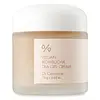
This barrier-repair moisturizer is formulated around Niacinamide and Camellia Sinensis Leaf Extract to strengthen the skin barrier and hydrate skin.
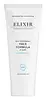
This oil-control moisturizer is formulated around Niacinamide to balance excess oil and refine skin texture.


What's inside
What's inside
 Key Ingredients
Benefits
Concerns
Ingredients Side-by-side
Water
Skin ConditioningGlycerin
Humectant


Methylpropanediol
Solvent1,2-Hexanediol
Skin Conditioning
Dicaprylyl Ether
Emollient
Glycereth-26
Humectant
Niacinamide
Smoothing









Butylene Glycol
Humectant
Dipropylene Glycol
HumectantCamellia Sinensis Leaf Extract
Antimicrobial
Saccharomyces Ferment Filtrate
Humectant

Eclipta Prostrata Leaf Extract
Skin ConditioningLaminaria Japonica Extract
Skin Protecting
Hydroxyacetophenone
Antioxidant
Camellia Sinensis Leaf Water
Masking
Polyquaternium-51
Skin Conditioning
Helianthus Annuus Seed Oil Unsaponifiables
Emollient
Ethylhexylglycerin
Skin ConditioningFructooligosaccharides
Humectant
Beta-Glucan
Skin Conditioning
Hydrogenated Lecithin
Emulsifying
Carbomer
Emulsion StabilisingTheobroma Cacao Seed Extract
Antioxidant
Dextrin
AbsorbentPhellinus Linteus Extract
Skin ConditioningArctium Lappa Root Extract
Skin Conditioning
Ammonium Acryloyldimethyltaurate/Vp Copolymer
Xanthan Gum
EmulsifyingTromethamine
BufferingHydrolyzed Hyaluronic Acid
Humectant
Schisandra Chinensis Fruit Extract
Skin Conditioning
Rosmarinus Officinalis Leaf Oil
Masking
Tocopherol
Antioxidant
Water, Glycerin, Methylpropanediol, 1,2-Hexanediol, Dicaprylyl Ether, Glycereth-26, Niacinamide, Butylene Glycol, Dipropylene Glycol, Camellia Sinensis Leaf Extract, Saccharomyces Ferment Filtrate, Eclipta Prostrata Leaf Extract, Laminaria Japonica Extract, Hydroxyacetophenone, Camellia Sinensis Leaf Water, Polyquaternium-51, Helianthus Annuus Seed Oil Unsaponifiables, Ethylhexylglycerin, Fructooligosaccharides, Beta-Glucan, Hydrogenated Lecithin, Carbomer, Theobroma Cacao Seed Extract, Dextrin, Phellinus Linteus Extract, Arctium Lappa Root Extract, Ammonium Acryloyldimethyltaurate/Vp Copolymer, Xanthan Gum, Tromethamine, Hydrolyzed Hyaluronic Acid, Schisandra Chinensis Fruit Extract, Rosmarinus Officinalis Leaf Oil, Tocopherol
Water
Skin ConditioningPropanediol
Solvent
Dicaprylyl Ether
Emollient
Niacinamide
Smoothing
Glycerin
Humectant
Squalane
Emollient
Hydroxyethyl Acrylate/Sodium Acryloyldimethyl Taurate Copolymer
Emulsion StabilisingDipentaerythrityl Hexacaprylate/Hexacaprate
Emulsifying1,2-Hexanediol
Skin Conditioning
Succinic Acid
BufferingHydroxyacetophenone
Antioxidant
Carbomer
Emulsion StabilisingSodium Hydroxide
BufferingSorbitan Isostearate
Emulsifying
Tetrasodium Glutamate Diacetate
ChelatingTocopherol
Antioxidant
Water, Propanediol, Dicaprylyl Ether, Niacinamide, Glycerin, Squalane, Hydroxyethyl Acrylate/Sodium Acryloyldimethyl Taurate Copolymer, Dipentaerythrityl Hexacaprylate/Hexacaprate, 1,2-Hexanediol, Succinic Acid, Hydroxyacetophenone, Carbomer, Sodium Hydroxide, Sorbitan Isostearate, Tetrasodium Glutamate Diacetate, Tocopherol
Reviews
Ingredients Explained
These ingredients are found in both products.
Ingredients higher up in an ingredient list are typically present in a larger amount.
1,2-Hexanediol is a synthetic liquid and another multi-functional powerhouse.
It is a:
- Humectant, drawing moisture into the skin
- Emollient, helping to soften skin
- Solvent, dispersing and stabilizing formulas
- Preservative booster, enhancing the antimicrobial activity of other preservatives
Carbomer is a synthetic thickening and gelling agent. It's basically the ingredient that gives a lot of serums, gels, creams, and sunscreens their smooth, non-sticky texture.
Although legally permitted at very high levels, carbomers are normally used at concentrations below 1%.
It also needs to be neutralized to actually thicken, and because it is a large molecule, it doesn't really penetrate the skin barrier.
Allergy-wise, the risk is very low. Clinical studies show carbomers have low potential for skin irritation/sensitization even at concentrations up to 100%.
A 2024 UK study patch-tested 1,302 patients and found true allergy to the parent group of carbomer to be rare with no confirmed relevant reactions.
Learn more about CarbomerDicaprylyl Ether is created from caprylic acid. It is a texture-enhancer and emollient.
As an emollient, Dicaprylyl Ether is non-comedogenic. It helps soften and smooth the skin by creating a barrier on top. This barrier helps trap moisture in, helping to hydrate the skin.
Dicaprylyl Ether gives a non-greasy feel and better spreadability to products.
Learn more about Dicaprylyl EtherGlycerin (or glycerol) is a compound naturally found in your skin. It's a powerhouse humectant that pulls water into the stratum corneum.
Topically, glycerin does several things at once:
Your skin makes glycerin on its own (mostly from sebaceous oil breakdown) and shuttles it to your outermost layer of skin, or your epidermis, via aquaporin-3.
Aquaporin-3 is a transporter that is essential for normal skin hydration, elasticity, and repair. Interestingly, mice lacking in AQP3 have dry and less elastic skin that can be fully corrected with glycerin.
This ingredient is non-irritating, plays well with almost every ingredient, and works across all skin types. Typical use is anywhere between 3-10% but can go up to 79% in some leave-on products.
Just know very high concentrations (>40%) can feel tacky in low humidity.
Glycerin is the name for this ingredient in American English. British English uses Glycerol/Glycerine.
Learn more about GlycerinHydroxyacetophenone is a small phenolic molecule that earns its place in a formulas as an antioxidant and preservative booster.
As a phenol, it is able to neutralize free radicals to protect both the product and the skin from oxidative stress.
Though it can't kill microbes on its own, it works as a good supporting agent when combined with other preservatives like Phenoxyethanol or 1,2-Hexanediol.
This ingredient naturally occurs as piceol in Norwegian spruce needles (~0.4-1.1% dry weight and in cloudberries). Though the cosmetic-grade material is synthesized for purity and consistency.
You'll usually see it used at low levels and suppliers recommend up to 1% added to a water phase.
Safety testing was done at concentrations like 0.05% in SPF products and 0.5% in a Human Repeated Insult Patch Test. The safety evidence is assuring; this ingredient is safe for cosmetics in current use and also holds safety status as a food flavoring as well.
An honest caveat: the "soothing" and "anti-inflammatory" claims come mostly from supplier marketing rather than published clinical trials. The Cosmetic Ingredient Review's own literature search found no useful efficacy studies on this ingredient.
So the antioxidant and preservative-boosting roles are the well supported ones while the calming benefit is plausible but thinly evidenced.
Overall, this is a well-tolerated, low-irritation multitasker that quietly helps a formula stay fresh and stable.
Learn more about HydroxyacetophenoneNiacinamide is a multitasking form of vitamin B3 that strengthens the skin barrier, reduces pores and dark spots, regulates oil, and improves signs of aging.
And the best part? It's gentle and well-tolerated by most skin types, including sensitive and reactive skin.
You might have heard of "niacin flush", or the reddening of skin that causes itchiness. Niacinamide has not been found to cause this.
In very rare cases, some individuals may not be able to tolerate niacinamide at all or experience an allergic reaction to it.
If you are experiencing flaking, irritation, and dryness with this ingredient, be sure to double check all your products as this ingredient can be found in all categories of skincare.
When incorporating niacinamide into your routine, look out for concentration amounts. Typically, 5% niacinamide provides benefits such as fading dark spots. However, if you have sensitive skin, it is better to begin with a smaller concentration.
When you apply niacinamide to your skin, your body converts it into nicotinamide adenine dinucleotide (NAD). NAD is an essential coenzyme that is already found in your cells as "fuel" and powers countless biological processes.
In your skin, NAD helps repair cell damage, produce new healthy cells, support collagen production, strengthen the skin barrier, and fight environmental stressors (like UV and pollution).
Our natural NAD levels start to decline with age, leading to slower skin repair, visible aging, and a weaker skin barrier. By providing your skin niacinamide, you're recharging your skin's NAD levels. This leads to stronger, healthier, and younger looking skin.
Another name for vitamin B3 is nicotinamide. This vitamin is water-soluble and our bodies don't store it. We obtain Vitamin B3 from either food or skincare. Meat, fish, wheat, yeast, and leafy greens contain vitamin B3.
The type of niacinamide used in skincare is synthetically created.
Learn more about NiacinamideTocopherol is a fat-soluble antioxidant known as Vitamin E.
You'll find this ingredient in the vast majority of skincare (for good reason). It works to neutralize free radicals, or unstable molecules generated by UV exposure, pollution, and other environmental stressors, before they can cause oxidative damage to your skin cells.
Topically applied tocopherol has been shown to protect against UV damage by ramping up the skin's own natural defense enzymes.
It also acts as a skin conditioning agent; some studies show that regular topical use can improve the skin's water-binding capacity over 2-4 weeks.
This ingredient is especially loved for being a team player. When combined with Vitamin C, the photoprotective effect of both ingredients roughly doubles and the combo also helps reduce UV-induced DNA damage.
This ingredient has some brightening potential but it's more of a prevention ingredient than spot-fader. Cell studies show it can slow down melanin production but it's worth noting that it's not the most powerful brightener out there.
In formulations, it also serves as a stabilizer that helps protect other oxidation-prone ingredients from degrading.
Concentrations usually range from 0.1-1% in most leave-on products.
Learn more about TocopherolWater. It's the most common cosmetic ingredient of all. You'll usually see it at the top of ingredient lists, meaning that it makes up the largest part of the product.
So why is it so popular? Water most often acts as a solvent - this means that it helps dissolve other ingredients into the formulation.
You'll also recognize water as that liquid we all need to stay alive. If you see this, drink a glass of water. Remember to stay hydrated!
Learn more about Water

