This hybrid sunscreen covers the full UV range and blocks ~98% of UVB at SPF 46.


What's inside
What's inside
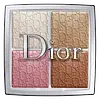 Key Ingredients
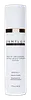
Benefits
Concerns
Ingredients Side-by-side
Mica
Cosmetic ColorantCalcium Aluminum Borosilicate
Cetearyl Ethylhexanoate
Emollient

Glycerin
Humectant


Hdi/Trimethylol Hexyllactone Crosspolymer
Silica
Abrasive


Squalane
Emollient
Octyldodecyl Stearoyl Stearate
Emollient
Polysorbate 80
Emulsifying
Ethylhexylglycerin
Skin ConditioningCaprylyl Glycol
Emollient
1,2-Hexanediol
Skin Conditioning
Xanthan Gum
EmulsifyingChondrus Crispus Extract
Skin Conditioning
Pentaerythrityl Tetra-Di-T-Butyl Hydroxyhydrocinnamate
Antioxidant
Tin Oxide
Abrasive
Cetearyl Alcohol
Emollient



Dicalcium Phosphate
Abrasive
Synthetic Fluorphlogopite
Tocopherol
Antioxidant


CI 15850
Cosmetic ColorantCI 15985
Cosmetic ColorantCI 19140
Cosmetic ColorantCI 42090
Cosmetic ColorantCI 45410
Cosmetic ColorantCI 73360
Cosmetic ColorantCI 77007
Cosmetic ColorantCI 77163
Cosmetic Colorant
CI 77288
Cosmetic ColorantCI 77289
Cosmetic ColorantCI 77491
Cosmetic ColorantCI 77492
Cosmetic ColorantCI 77499
Cosmetic ColorantCI 77510
Cosmetic ColorantCI 77742
Cosmetic ColorantCI 77891
Cosmetic ColorantCI 75470
Cosmetic ColorantMica, Calcium Aluminum Borosilicate, Cetearyl Ethylhexanoate, Glycerin, Hdi/Trimethylol Hexyllactone Crosspolymer, Silica, Squalane, Octyldodecyl Stearoyl Stearate, Polysorbate 80, Ethylhexylglycerin, Caprylyl Glycol, 1,2-Hexanediol, Xanthan Gum, Chondrus Crispus Extract, Pentaerythrityl Tetra-Di-T-Butyl Hydroxyhydrocinnamate, Tin Oxide, Cetearyl Alcohol, Dicalcium Phosphate, Synthetic Fluorphlogopite, Tocopherol, CI 15850, CI 15985, CI 19140, CI 42090, CI 45410, CI 73360, CI 77007, CI 77163, CI 77288, CI 77289, CI 77491, CI 77492, CI 77499, CI 77510, CI 77742, CI 77891, CI 75470
Zinc Oxide 12%
Cosmetic Colorant

Ethylhexyl Methoxycinnamate 7.5%
UV Absorber
Water
Skin ConditioningCyclopentasiloxane
Emollient
Niacinamide
Smoothing



Oleth-3 Phosphate
SurfactantDiphenyl Dimethicone/Vinyl Diphenyl Dimethicone/Silsesquioxane Crosspolymer
Octyldodecyl Neopentanoate
EmollientSaccharomyces Ferment
Skin Conditioning
Hydroxyethyl Acrylate/Sodium Acryloyldimethyl Taurate Copolymer
Emulsion StabilisingGlycerin
Humectant
Polygonum Aviculare Extract
EmollientSodium Hyaluronate
Humectant
Tocopheryl Acetate
Antioxidant
Ethylhexylglycerin
Skin ConditioningTriethoxysilylethyl Polydimethylsiloxyethyl Hexyl Dimethicone
Skin Conditioning
Polyglyceryl-3 Polydimethylsiloxyethyl Dimethicone
Skin Conditioning
PEG-7 Trimethylolpropane Coconut Ether
Emulsifying
Lauroyl Lysine
Skin Conditioning
Polyisobutene
Triethoxycaprylylsilane
Disodium EDTA
CI 77492
Cosmetic ColorantCI 77491
Cosmetic ColorantCI 77499
Cosmetic ColorantPhenoxyethanol
Preservative
Zinc Oxide 12%, Ethylhexyl Methoxycinnamate 7.5%, Water, Cyclopentasiloxane, Niacinamide, Oleth-3 Phosphate, Diphenyl Dimethicone/Vinyl Diphenyl Dimethicone/Silsesquioxane Crosspolymer, Octyldodecyl Neopentanoate, Saccharomyces Ferment, Hydroxyethyl Acrylate/Sodium Acryloyldimethyl Taurate Copolymer, Glycerin, Polygonum Aviculare Extract, Sodium Hyaluronate, Tocopheryl Acetate, Ethylhexylglycerin, Triethoxysilylethyl Polydimethylsiloxyethyl Hexyl Dimethicone, Polyglyceryl-3 Polydimethylsiloxyethyl Dimethicone, PEG-7 Trimethylolpropane Coconut Ether, Lauroyl Lysine, Polyisobutene, Triethoxycaprylylsilane, Disodium EDTA, CI 77492, CI 77491, CI 77499, Phenoxyethanol
Reviews
Ingredients Explained
These ingredients are found in both products.
Ingredients higher up in an ingredient list are typically present in a larger amount.
Ci 77491 is also hydrated iron III oxide. It's sole purpose is to give a red/pink hue to products.
Iron III oxides are classified as inorganic chemicals for coloring.
Synthetically created Ci 77491 is considered safer than those naturally found. This is because the synthetically created version may contain less impurities. Iron oxides are generally non-toxic and non-allergenic.
Learn more about CI 77491CI 77492 is also hydrated iron III oxide. It's sole purpose is to give a yellow hue to products.
Iron III oxides are classified as inorganic chemicals for coloring.
Synthetically created CI 77492 is considered safer than those naturally found. This is because the synthetically created version may contain less impurities. Iron oxides are generally non-toxic and non-allergenic.
Learn more about CI 77492Ci 77499 is also hydrated iron III oxide. It is created from mixing red and black iron oxides. This helps give shades of darkness to a product.
Iron III oxides are classified as inorganic chemicals for coloring.
Ethylhexylglycerin is created from glycerin. It is a multitasker ingredient that:
The CIR Expert Panel found minimal skin absorption or sensitization of any kind in a safety assessment. Though this ingredient is considered well-tolerated, a small number of cases of allergic dermatitis have been published since 2002. Just be sure to patch test if you are unsure.
Industry-reported use ranges from 8% in rinse-off products and 2% in leave-on formulations.
Learn more about EthylhexylglycerinGlycerin (or glycerol) is a compound naturally found in your skin. It's a powerhouse humectant that pulls water into the stratum corneum.
Topically, glycerin does several things at once:
Your skin makes glycerin on its own (mostly from sebaceous oil breakdown) and shuttles it to your outermost layer of skin, or your epidermis, via aquaporin-3.
Aquaporin-3 is a transporter that is essential for normal skin hydration, elasticity, and repair. Interestingly, mice lacking in AQP3 have dry and less elastic skin that can be fully corrected with glycerin.
This ingredient is non-irritating, plays well with almost every ingredient, and works across all skin types. Typical use is anywhere between 3-10% but can go up to 79% in some leave-on products.
Just know very high concentrations (>40%) can feel tacky in low humidity.
Glycerin is the name for this ingredient in American English. British English uses Glycerol/Glycerine.
Learn more about Glycerin

