
What's inside
What's inside
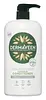 Key Ingredients
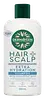
Benefits
Concerns
Ingredients Side-by-side
Water
Skin ConditioningCetearyl Alcohol
Emollient






Cyclotetrasiloxane
Emollient
Avena Sativa Kernel Flour
Abrasive

Dimethicone
Emollient
Cetrimonium Chloride
Antimicrobial
Hydroxyethylcellulose
Emulsion StabilisingPhenoxyethanol
Preservative
Caprylyl Glycol
Emollient
Behentrimonium Methosulfate
SurfactantLauryl Pyrrolidone
CleansingAmodimethicone
Sodium PCA
Humectant


Panthenol
Skin Conditioning
Cyclopentasiloxane
Emollient
Cocodimonium Hydroxypropyl Hydrolyzed Wheat Protein
CleansingAloe Barbadensis Leaf Juice
Skin Conditioning
Sorbic Acid
Preservative
Trideceth-12
EmulsifyingWater, Cetearyl Alcohol, Cyclotetrasiloxane, Avena Sativa Kernel Flour, Dimethicone, Cetrimonium Chloride, Hydroxyethylcellulose, Phenoxyethanol, Caprylyl Glycol, Behentrimonium Methosulfate, Lauryl Pyrrolidone, Amodimethicone, Sodium PCA, Panthenol, Cyclopentasiloxane, Cocodimonium Hydroxypropyl Hydrolyzed Wheat Protein, Aloe Barbadensis Leaf Juice, Sorbic Acid, Trideceth-12
Water
Skin ConditioningSodium Laureth Sulfate
Cleansing


Glycerin
Humectant
Cocamidopropyl Betaine
Cleansing
Glycol Stearate
Emollient
Avena Sativa Kernel Flour
Abrasive
Sodium PCA
Humectant
Sodium Citrate
BufferingPhenoxyethanol
Preservative
Panthenol
Skin Conditioning
Caprylyl Glycol
Emollient
Sodium Chloride
MaskingDisodium EDTA
ChelatingCitric Acid
Buffering

Sorbic Acid
Preservative
Sodium Benzoate
Masking
Hydrolyzed Jojoba Esters
Skin Conditioning
Sodium Hyaluronate
Humectant

Water, Sodium Laureth Sulfate, Glycerin, Cocamidopropyl Betaine, Glycol Stearate, Avena Sativa Kernel Flour, Sodium PCA, Sodium Citrate, Phenoxyethanol, Panthenol, Caprylyl Glycol, Sodium Chloride, Disodium EDTA, Citric Acid, Sorbic Acid, Sodium Benzoate, Hydrolyzed Jojoba Esters, Sodium Hyaluronate
Ingredients Explained
These ingredients are found in both products.
Ingredients higher up in an ingredient list are typically present in a larger amount.
Oatmeal flour is created by grinding down the kernels of oats. Oatmeal helps sooth, hydrate, and protect the skin.
Oatmeal kernel flour has abrasive, or exfoliating, properties.
Learn all about the skin benefits of colloidal oatmeal here.
Learn more about Avena Sativa Kernel FlourCaprylyl Glycol is a humectant, skin conditioner, emollient, and preservative booster derived from either caprylic acid or synthetically created.
Typical use levels vary from 0.3-1% as a preservative booster and go up to 2% to condition skin.
Because it is not a free-fatty acid, this ingredient is fungal acne safe (there's nothing for Malassezia to feed on).
Learn more about Caprylyl GlycolPanthenol is a common ingredient that helps hydrate and soothe the skin. It is found naturally in our skin and hair.
There are two forms of panthenol: D and L.
D-panthenol is also known as dexpanthenol. Most cosmetics use dexpanthenol or a mixture of D and L-panthenol.
Panthenol is famous due to its ability to go deeper into the skin's layers. Using this ingredient has numerous pros (and no cons):
Like hyaluronic acid, panthenol is a humectant. Humectants are able to bind and hold large amounts of water to keep skin hydrated.
This ingredient works well for wound healing. It works by increasing tissue in the wound and helps close open wounds.
Once oxidized, panthenol converts to pantothenic acid. Panthothenic acid is found in all living cells.
This ingredient is also referred to as pro-vitamin B5.
Learn more about PanthenolPhenoxyethanol is one of the most widely used preservatives in skincare (and for good reason!).
It has a large spectrum of antimicrobial activity and especially effective bacteria, yeast, and mold while only having a weak effect on your skin's natural microbiome.
On a cellular level, it disrupts the cell membranes of microbes by poking holes that make the cell leak. This shuts down the chemical reactions the microbe needs to make energy so it can no longer survive.
Another perk of this ingredient is that it stays functional across a wide pH range (3-10).
You'll often see it paired with boosters like Ethylhexylglycerin; one study showed that a 1:9 ratio of Ethylhexylglycerin to Phenoxyethanol damages bacterial membranes as effectively as doubling the Phenoxyethanol concentration on its own.
Typical use concentrations range from 0.3-1% depending on the formula, and this ingredient is capped at 1% int the EU.
Safety-wise, the fear mongering does not hold up to the evidence. The EU's Scientific Committee on Consumer Safety and FDA consider it safe as a preservative at up to 1%, including for children of all ages.
Adverse systemic effects only showed up in animal studies at exposures roughly 200x higher than what people get from cosmetics. And despite its very widespread use, this ingredient is a rare sensitizer and allergic reactions are uncommon.
Learn more about PhenoxyethanolSodium PCA (the salt of PCA) is one of the most well-established humectants in skincare.
Why is it so special? Your skin already makes it naturally; it's a natural component of your skin's Natural Moisturizing Factor (NMF), or the mix of water-binding compounds inside your skin cells that keeps things soft and hydrated.
As a cosmetic ingredient, it grabs water and holds it in the upper layers of skin to smooth roughness and ease dehydration.
There's some clinical support for the NMF approach with a study showing that a cream built to mimic the skin's NMF significantly boosted hydration.
Safety-wise, this ingredient non-irritating, non-comedogenic, and non-phototoxic in testing, with minimal skin absorption.
It also works really well with other hydrators like glycerin or hyaluronic acid, and typical usage is somewhere between 0.2-4%.
Learn more about Sodium PCASorbic Acid is a preservative that stops your product from spoiling by stopping microbes from growing.
As a preservative, it's kind of a specialist: it has a broad spectrum of activity against yeast and molds but is weaker against bacteria. That's why it's often paired with another preservative to cover that gap.
This ingredient is also pretty picky about pH; it performs best at pH 6.5 or below.
At the right pH level, sorbic acid is "active" and can slip through the outer wall of a microbe. Once inside, it turns the cell's interior more acidic to shut down the microbe from the inside.
The EU caps this ingredient at 0.6% while the CIR has concluded it's safe at concentrations up to 1%. It's most often used around 0.05-0.2% in cosmetics.
Though this ingredient is considered low-sensitizing and well-tolerated, a very small number of people may have a contact allergy to it. Be sure to patch test if you have a history of allergies towards preservatives.
Learn more about Sorbic AcidWater. It's the most common cosmetic ingredient of all. You'll usually see it at the top of ingredient lists, meaning that it makes up the largest part of the product.
So why is it so popular? Water most often acts as a solvent - this means that it helps dissolve other ingredients into the formulation.
You'll also recognize water as that liquid we all need to stay alive. If you see this, drink a glass of water. Remember to stay hydrated!
Learn more about Water

