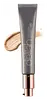
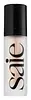
Delilah Time Frame Future Resist Foundation SPF 20 Versus Saie Glowy Super Gel Lightweight Dewy Highlighter


What's inside
What's inside
 Key Ingredients
Benefits
Concerns
No concerns
Ingredients Side-by-side
Water
Skin ConditioningCyclomethicone
Emollient
Butylene Glycol
Humectant

Titanium Dioxide
Cosmetic Colorant

Isononyl Isononanoate
EmollientBehenyl Dimethicone
Skin Conditioning
Cetyl PEG/PPG-10/1 Dimethicone
Emulsifying
Phenyl Trimethicone
Skin Conditioning
C12-15 Alkyl Benzoate
AntimicrobialDisteardimonium Hectorite
StabilisingGlyceryl Ethylhexanoate/Stearate/Adipate
EmollientPhenoxyethanol
Preservative
Sucrose Acetate Isobutyrate
Tocopheryl Acetate
Antioxidant


Sodium Chloride
MaskingLauryl PEG-8 Dimethicone
Surfactant
Alumina
Abrasive
Sodium Dehydroacetate
Preservative
Methicone
Emollient
Triethoxycaprylylsilane
Caprylic/Capric Triglyceride
Masking
Trisodium Ethylenediamine Disuccinate
Dimethicone
Emollient
Tropolone
Skin ConditioningTripeptide-3
Skin Conditioning
Hexapeptide-3
Skin Conditioning
CI 77891
Cosmetic ColorantCI 77491
Cosmetic ColorantCI 77492
Cosmetic ColorantCI 77499
Cosmetic ColorantWater, Cyclomethicone, Butylene Glycol, Titanium Dioxide, Isononyl Isononanoate, Behenyl Dimethicone, Cetyl PEG/PPG-10/1 Dimethicone, Phenyl Trimethicone, C12-15 Alkyl Benzoate, Disteardimonium Hectorite, Glyceryl Ethylhexanoate/Stearate/Adipate, Phenoxyethanol, Sucrose Acetate Isobutyrate, Tocopheryl Acetate, Sodium Chloride, Lauryl PEG-8 Dimethicone, Alumina, Sodium Dehydroacetate, Methicone, Triethoxycaprylylsilane, Caprylic/Capric Triglyceride, Trisodium Ethylenediamine Disuccinate, Dimethicone, Tropolone, Tripeptide-3, Hexapeptide-3, CI 77891, CI 77491, CI 77492, CI 77499
Water
Skin ConditioningCaprylic/Capric Triglyceride
Masking
Propanediol
Solvent
Glycerin
Humectant
Mica
Cosmetic ColorantHydroxyethyl Acrylate/Sodium Acryloyldimethyl Taurate Copolymer
Emulsion StabilisingSqualane
Emollient
Caprylyl Glycol
Emollient
Phenethyl Alcohol
MaskingEthylhexylglycerin
Skin ConditioningPolysorbate 60
Emulsifying

Ascorbyl Tetraisopalmitate
Antioxidant

Carica Papaya Seed Oil
Humectant


Rosa Canina Fruit Oil
Emollient
Lactic Acid
Buffering




CI 77891
Cosmetic ColorantCI 77491
Cosmetic ColorantWater, Caprylic/Capric Triglyceride, Propanediol, Glycerin, Mica, Hydroxyethyl Acrylate/Sodium Acryloyldimethyl Taurate Copolymer, Squalane, Caprylyl Glycol, Phenethyl Alcohol, Ethylhexylglycerin, Polysorbate 60, Ascorbyl Tetraisopalmitate, Carica Papaya Seed Oil, Rosa Canina Fruit Oil, Lactic Acid, CI 77891, CI 77491
Reviews
Ingredients Explained
These ingredients are found in both products.
Ingredients higher up in an ingredient list are typically present in a larger amount.
Caprylic/Capric Triglyceride (aka MCT Oil) is a lightweight emollient, solvent, and texture enhancer. It is considered a skin-softener by helping to prevent moisture loss.
Though it behaves like an oil, it is not technically one due to its chemical composition. One perk of this ingredient is that it is very stable, resistant to oxidation, and unlikely to go rancid.
In practice, that translates to a long shelf life and a consistently elegant skin feel.
While there is an assumption Caprylic Triglyceride can clog pores due to it being derived from coconut oil, there is no research supporting this. Just patch test if you have concerns.
Fractionated coconut oil and MCT Oil are both listed as Caprylic/Capric Triglyceride according to INCI. This is because INCI names are based on the ingredient’s final chemical composition and not its marketing name or source.
This ingredient is treated as the gold standard fungal acne safe oil. Even though it is coconut derived, the problematic lauric acid is stripped out.
This leaves just caprylic (C8) and capric (C10) acid. These chain lengths actually trend antifungal; a 2020 study found caprylic acid was enough to disrupt Malassezia furfur cell membrane, with a caprylic acid derivative damaging membrane structures at concentrations as low as 0.2%.
Learn more about Caprylic/Capric TriglycerideCi 77491 is also hydrated iron III oxide. It's sole purpose is to give a red/pink hue to products.
Iron III oxides are classified as inorganic chemicals for coloring.
Synthetically created Ci 77491 is considered safer than those naturally found. This is because the synthetically created version may contain less impurities. Iron oxides are generally non-toxic and non-allergenic.
Learn more about CI 77491Ci 77891 is a white pigment from Titanium dioxide. It is naturally found in minerals such as rutile and ilmenite.
It's main function is to add a white color to cosmetics. It can also be mixed with other colors to create different shades.
Ci 77891 is commonly found in sunscreens due to its ability to block UV rays.
Learn more about CI 77891Water. It's the most common cosmetic ingredient of all. You'll usually see it at the top of ingredient lists, meaning that it makes up the largest part of the product.
So why is it so popular? Water most often acts as a solvent - this means that it helps dissolve other ingredients into the formulation.
You'll also recognize water as that liquid we all need to stay alive. If you see this, drink a glass of water. Remember to stay hydrated!
Learn more about Water

