
What's inside
What's inside
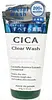 Key Ingredients
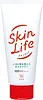
Benefits
Concerns
Ingredients Side-by-side
Water
Skin ConditioningStearic Acid
Cleansing



Myristic Acid
Cleansing

Potassium Hydroxide
BufferingPropylene Glycol
Humectant
Palmitic Acid
Emollient
Lauric Acid
Cleansing
Hydrogenated Castor Oil
Emollient
Glyceryl Stearate
Emollient
Phenoxyethanol
Preservative
Hydroxypropyl Methylcellulose
Emulsion StabilisingMelaleuca Alternifolia Leaf Oil
Antioxidant





Pentasodium Pentetate
ChelatingRosmarinus Officinalis Leaf Oil
Masking
Caramel
Cosmetic ColorantDipotassium Glycyrrhizate
Humectant

O-Cymen-5-Ol
Antimicrobial
Chlorophyllin-Copper Complex
Antioxidant
Butylene Glycol
Humectant
Alcohol
Antimicrobial

Centella Asiatica Extract
Cleansing


Malva Sylvestris Extract
AstringentCarbomer
Emulsion StabilisingSolanum Lycopersicum Fruit Extract
Antioxidant
Cynara Scolymus Leaf Extract
Skin ConditioningWater, Stearic Acid, Myristic Acid, Potassium Hydroxide, Propylene Glycol, Palmitic Acid, Lauric Acid, Hydrogenated Castor Oil, Glyceryl Stearate, Phenoxyethanol, Hydroxypropyl Methylcellulose, Melaleuca Alternifolia Leaf Oil, Pentasodium Pentetate, Rosmarinus Officinalis Leaf Oil, Caramel, Dipotassium Glycyrrhizate, O-Cymen-5-Ol, Chlorophyllin-Copper Complex, Butylene Glycol, Alcohol, Centella Asiatica Extract, Malva Sylvestris Extract, Carbomer, Solanum Lycopersicum Fruit Extract, Cynara Scolymus Leaf Extract
O-Cymen-5-Ol
Antimicrobial
Dipotassium Glycyrrhizate
Humectant
Myristic Acid
Cleansing
Lauric Acid
Cleansing
Stearic Acid
Cleansing
Behenic Acid
Cleansing
Arginine Cocoate
Skin Conditioning
Malic Acid
Buffering



Citrus Limon Fruit Extract
Masking
Glycerin
Humectant
Butylene Glycol
Humectant
Disteardimonium Hectorite
StabilisingTin Oxide
Abrasive
Citric Acid
Buffering
Parfum
Masking
Potassium Hydroxide
Buffering
Reviews
Ingredients Explained
These ingredients are found in both products.
Ingredients higher up in an ingredient list are typically present in a larger amount.
Butylene Glycol (or BG) is used within cosmetic products for a few different reasons:
Overall, Butylene Glycol is a safe and well-rounded ingredient that works well with other ingredients.
Though this ingredient works well with most skin types, some people with sensitive skin may experience a reaction such as allergic rashes, closed comedones, or itchiness.
Learn more about Butylene GlycolDipotassium Glycyrrhizate comes from licorice root.
Extracts of licorice have demonstrated to have antibacterial, anti‐inflammatory, antiviral, antioxidant properties.
One component, glabridin, has extra potent antioxidant and soothing properties. It has also been found to block pigmentation from UVB rays in guinea pigs.
Licorice Root also contains a flavonoid. Flavonoids are a natural substance from in plants. Flavonoids also have antioxidant properties.
Another component, glycyrrhizin, has been found to have anti-inflammatory and antimicrobial benefits. This may make licorice root extract effective at treating acne. However, more research is needed to support this.
Liquiritin is one of the flavone compounds found in licorice. It has been found to help lighten skin by preventing tyrosinase from reacting with tyrosine. When the two react, protein is converted to melanin. Melanin is the substance in your body that gives your features pigmentation.
Licorice root is native to Southern Europe and Asia. It has been used in traditional Chinese medicine to help with respiratory issues.
Learn more about Dipotassium GlycyrrhizateLauric Acid is a saturated fatty acid naturally found in coconut oil, palm kernel oil, and even breast milk.
In cosmetics, it is an:
Lab studies have found that lauric acid is surprisingly good at killing acne-causing bacteria. However, these tests were done on bacteria in a petri dish and not on real skin, so we can't say for certain it works the same in a formulation on a real face.
The comedogenic rating of 4 comes from the 1972 rabbit ear model using undiluted ingredients. Comedogenicity is highly individual and one comedogenic ingredient cannot predict how a formula will behave on skin.
This ingredient is not fungal acne safe and research has confirmed Malassezia can use it as a food source. Even though "fungal acne" has the word "acne" in it, they are completely different. Regular acne is driven by a bacteria called Cutibacterium acnes, clogged pores, and excess oil. Fungal acne isn't really acne; it's caused by an overgrowth of a yeast called Malassezia that already lives on everyone's skin. Because one is bacterial and the other is fungal, they respond to different ingredients.
Learn more about Lauric AcidMyristic Acid, aka tetradecanoic acid, is a naturally occurring fatty acid found in coconut oil and palm oil.
In skincare, it is an:
Research indicates that this ingredient posts a low risk of irritation and sensitization.
Since myristic acid is a C14 fatty acid, it falls within the range that Malassezia can metabolize, and therefore not fungal acne safe.
Learn more about Myristic AcidThis ingredient is more commonly known as IPMP or Isopropyl Methylphenol. It is a preservative and has antimicrobial properties.
According to the EPA, this ingredient is allowed for use in cleansers, creams, powders, bath products, toothpaste, perfume, and more.
Potassium Hydroxide (also known as potash) is a strong alkaline ingredient that does one job: it nudges a product's pH up so the whole formula lands in a skin-friendly range.
It's also the base that turns oils into liquid soap during the soap making process.
An expert safety panel reviewed it and found it safe when formulations are made to be non-irritating.
As a pH adjuster, it's typically used well under 1% though regulatory caps go much higher: 5% in nail cuticle removers and 2-4.5% in hair straighteners.
Though there is some concern for irritation from raw or high pH material, a well-balanced formula will be a non-issue for the vast majority of people.
Learn more about Potassium HydroxideStearic Acid is a fatty acid that is already found in your skin. It's one of the free fatty acids that works alongside ceramides and cholesterols to maintain your barrier.
In cosmetics, it is a multitasker:
Safety-wise, the CIR Expert Panel has concluded it to be safe in cosmetics when formulated to be non-irritating and non-sensitizing.
Free stearic acid is a C18 fatty acid that the Malassezia yeast can substrate, so this ingredient may not be fungal acne safe.
Learn more about Stearic Acid

