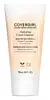
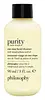
Covergirl Clean Fresh Skincare Hydrating Cream Cleanser Versus Philosophy Purity Made Simple One-Step Facial Cleanser
This mild cream cleanser is made to cleanse without leaving your skin tight or dry.

What's inside
What's inside
 Key Ingredients
Benefits
Concerns
Ingredients Side-by-side
Water
Skin ConditioningSodium Lauroamphoacetate
CleansingLimnanthes Alba Seed Oil
Skin Conditioning



Coco-Glucoside
Cleansing
Coconut Alcohol
Emollient
PEG-120 Methyl Glucose Dioleate
Emulsifying
Glycerin
Humectant

Carbomer
Emulsion StabilisingPotassium Cocoyl Glycinate
Surfactant
Hydroxyacetophenone
Antioxidant
1,2-Hexanediol
Skin Conditioning
Caprylyl Glycol
Emollient
Parfum
Masking



Xanthan Gum
EmulsifyingOpuntia Ficus-Indica Fruit Water
Antioxidant
Cocos Nucifera Fruit Juice
Emollient
Citric Acid
Buffering

Citrus Reticulata Fruit Extract
Skin ProtectingPolysorbate 20
Emulsifying
Sodium Benzoate
Masking
Potassium Sorbate
Preservative
CI 19140
Cosmetic ColorantCI 14700
Cosmetic ColorantWater, Sodium Lauroamphoacetate, Limnanthes Alba Seed Oil, Coco-Glucoside, Coconut Alcohol, PEG-120 Methyl Glucose Dioleate, Glycerin, Carbomer, Potassium Cocoyl Glycinate, Hydroxyacetophenone, 1,2-Hexanediol, Caprylyl Glycol, Parfum, Xanthan Gum, Opuntia Ficus-Indica Fruit Water, Cocos Nucifera Fruit Juice, Citric Acid, Citrus Reticulata Fruit Extract, Polysorbate 20, Sodium Benzoate, Potassium Sorbate, CI 19140, CI 14700
Water
Skin ConditioningSodium Lauroamphoacetate
CleansingSodium Trideceth Sulfate
Cleansing
Limnanthes Alba Seed Oil
Skin Conditioning
Coco-Glucoside
Cleansing
Coconut Alcohol
Emollient
PEG-120 Methyl Glucose Dioleate
Emulsifying
Glycerin
Humectant
Phenoxyethanol
Preservative
Isopropyl Alcohol
Solvent

Carbomer
Emulsion StabilisingPolysorbate 20
Emulsifying
Chlorphenesin
Antimicrobial
Citric Acid
Buffering
Disodium Phosphate
BufferingAniba Rosaeodora Wood Oil
Astringent
Linalool
Perfuming
Ethylhexylglycerin
Skin ConditioningXanthan Gum
EmulsifyingSodium Citrate
BufferingBulnesia Sarmientoi Wood Oil
Masking
Pelargonium Graveolens Flower Oil
Masking
Sodium Hydroxide
BufferingAmyris Balsamifera Bark Oil
Masking
Cymbopogon Martini Oil
Masking
Rosa Damascena Flower Oil
Masking
Tocopherol
Antioxidant



Daucus Carota Sativa Seed Oil
Emollient


Mimosa Tenuiflora Bark Extract
Skin ProtectingOrmenis Multicaulis Oil
Masking
Piper Nigrum Fruit Extract
Perfuming
Salvia Sclarea Oil
Masking
Santalum Album Oil
Masking
CI 19140
Cosmetic ColorantWater, Sodium Lauroamphoacetate, Sodium Trideceth Sulfate, Limnanthes Alba Seed Oil, Coco-Glucoside, Coconut Alcohol, PEG-120 Methyl Glucose Dioleate, Glycerin, Phenoxyethanol, Isopropyl Alcohol, Carbomer, Polysorbate 20, Chlorphenesin, Citric Acid, Disodium Phosphate, Aniba Rosaeodora Wood Oil, Linalool, Ethylhexylglycerin, Xanthan Gum, Sodium Citrate, Bulnesia Sarmientoi Wood Oil, Pelargonium Graveolens Flower Oil, Sodium Hydroxide, Amyris Balsamifera Bark Oil, Cymbopogon Martini Oil, Rosa Damascena Flower Oil, Tocopherol, Daucus Carota Sativa Seed Oil, Mimosa Tenuiflora Bark Extract, Ormenis Multicaulis Oil, Piper Nigrum Fruit Extract, Salvia Sclarea Oil, Santalum Album Oil, CI 19140
Reviews
Ingredients Explained
These ingredients are found in both products.
Ingredients higher up in an ingredient list are typically present in a larger amount.
Carbomer is a synthetic thickening and gelling agent. It's basically the ingredient that gives a lot of serums, gels, creams, and sunscreens their smooth, non-sticky texture.
Although legally permitted at very high levels, carbomers are normally used at concentrations below 1%.
It also needs to be neutralized to actually thicken, and because it is a large molecule, it doesn't really penetrate the skin barrier.
Allergy-wise, the risk is very low. Clinical studies show carbomers have low potential for skin irritation/sensitization even at concentrations up to 100%.
A 2024 UK study patch-tested 1,302 patients and found true allergy to the parent group of carbomer to be rare with no confirmed relevant reactions.
Learn more about CarbomerCI 19140 is also known as Tartrazine. Tartrazine is a synthetic dye used in cosmetics, foods, and medicine to add a yellow color.
Tartrazine is created from petroleum and is water-soluble.
Some people may experience allergies from this dye, especially asthmatics and those with an aspirin intolerance.
Learn more about CI 19140Citric Acid is an alpha hydroxy acid (AHA) naturally found in citrus fruits like oranges, lemons, and limes.
Like other AHAs, citric acid can exfoliate skin by breaking down the bonds that hold dead skin cells together. This helps reveal smoother and brighter skin underneath.
However, this exfoliating effect only happens at high concentrations (20%) which can be hard to find in cosmetic products.
Due to this, citric acid is usually included in small amounts as a pH adjuster. This helps keep products slightly more acidic and compatible with skin's natural pH.
In skincare formulas, citric acid can:
While it can provide some skin benefits, research shows lactic acid and glycolic acid are generally more effective and less irritating exfoliants.
Most citric acid used in skincare today is made by fermenting sugars (usually from molasses). This synthetic version is identical to the natural citrus form but easier to stabilize and use in formulations.
Rosacea skin has a lower threshold for acids generally, with 62.5% of rosacea subjects in one study reacting to lactic acid in a sting test. This is why we mark citric acid as a potential rosacea trigger.
However, this ingredient shows up as a pH adjuster or chelator at roughly 0.1-1% in many products. These low levels are unlikely to be an issue for rosacea skin and becomes a potential trigger at exfoliating concentrations (20%). Because everybody's skin is unique, we recommend a patch test if you are unsure.
Learn more about Citric AcidCoco-Glucoside is a surfactant, or a cleansing ingredient. It is made from glucose and coconut oil.
Surfactants help gather dirt, oil, and other pollutants from your skin to be rinsed away.
This ingredient is considered gentle and non-comedogenic. However, it may still be irritating for some.
Learn more about Coco-GlucosideCoconut alcohol is a mixture of fatty alcohols from the fatty acids in coconut oil.
Though it has the word "alcohol" in its name, it is not a drying solvent alcohol. Coconut alcohol has multiple roles:
Typical use levels range from 1-5%.
The Cosmetic Ingredient Review Expert Panel has found minimal irritation in clinical testing and no evidence of sensitization from this ingredient.
Learn more about Coconut AlcoholGlycerin (or glycerol) is a compound naturally found in your skin. It's a powerhouse humectant that pulls water into the stratum corneum.
Topically, glycerin does several things at once:
Your skin makes glycerin on its own (mostly from sebaceous oil breakdown) and shuttles it to your outermost layer of skin, or your epidermis, via aquaporin-3.
Aquaporin-3 is a transporter that is essential for normal skin hydration, elasticity, and repair. Interestingly, mice lacking in AQP3 have dry and less elastic skin that can be fully corrected with glycerin.
This ingredient is non-irritating, plays well with almost every ingredient, and works across all skin types. Typical use is anywhere between 3-10% but can go up to 79% in some leave-on products.
Just know very high concentrations (>40%) can feel tacky in low humidity.
Glycerin is the name for this ingredient in American English. British English uses Glycerol/Glycerine.
Learn more about GlycerinLimnanthes Alba Seed Oil is from the seeds of the meadowfoam plant. It is a skin conditioning agent and emollient that sits on top of skin to soften and hydrate it.
Over 98% of the oil is made up of long-chain fatty acids, mostly aachidic acid (61%), docosenoic acid (~16%), and docosadienoic acid (~18%).
This combination is not really found in any other plant oil and is the reason this is one of the most stable botanical oils available.
Some studies show it to be more stable than jojoba oil, helps a product resist going rancid, and can help extend the shelf life of a formula.
It also naturally contains vitamin E and phytosterols that give it a mild antioxidant benefit.
This ingredient is typically used from around 1% to fairly high levels since it's gentle; it's well-tolerated and low on the irritation scale.
Learn more about Limnanthes Alba Seed OilPeg-120 Methyl Glucose Dioleate is used to improve texture and stability of a product. It is sugar based and helps thicken a product.
Once applied, it also creates a thin film to trap moisture in. This helps keep your skin hydrated.
This ingredient is the polyethylene glycol ether of the diester of oleic acid and methylglucose. The 120 represents an average of 120 moles of ethylene oxide.
There is limited research on this ingredient, although it is considered safe to use in skincare products.
Learn more about PEG-120 Methyl Glucose DioleatePolysorbate 20 is a gentle, water-soluble emulsifier and mild surfactant. It stops oil and water from separating to keep your formulas blended and stable.
It also acts as a mild penetration enhancer by helping active ingredients absorb slightly better.
The common safety discussion around this ingredient involves a manufacturing byproduct called 1,4-dioxane.
Trace amounts can form during production but the EU's Scientific Committee on Consumer Safety has concluded that levels at/below 10 ppm in finished products are safe (commercial products consistently fall within acceptable margins).
True allergic reactions are uncommon and the CIR Expert Panel has confirmed this ingredient to be safe as used in cosmetics.
Because it is derived from lauric acid, it may not be fungal acne safe.
Learn more about Polysorbate 20We don't have a description for Sodium Lauroamphoacetate yet.
Water. It's the most common cosmetic ingredient of all. You'll usually see it at the top of ingredient lists, meaning that it makes up the largest part of the product.
So why is it so popular? Water most often acts as a solvent - this means that it helps dissolve other ingredients into the formulation.
You'll also recognize water as that liquid we all need to stay alive. If you see this, drink a glass of water. Remember to stay hydrated!
Learn more about WaterXanthan gum is used as a stabilizer and thickener within cosmetic products. It helps give products a sticky, thick feeling - preventing them from being too runny.
On the technical side of things, xanthan gum is a polysaccharide - a combination consisting of multiple sugar molecules bonded together.
Xanthan gum is a pretty common and great ingredient. It is a natural, non-toxic, non-irritating ingredient that is also commonly used in food products.
Learn more about Xanthan Gum

