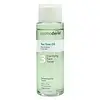
This acne toner is formulated around Salicylic Acid and Melaleuca Alternifolia Leaf Oil to clear breakouts and balance excess oil.
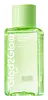
This calming toner is formulated around Centella Asiatica Leaf Extract and Ceramide NP to calm redness and strengthen the skin barrier.


What's inside
What's inside
 Key Ingredients
Benefits
Concerns
Ingredients Side-by-side
Water
Skin ConditioningAlcohol Denat.
Antimicrobial




Propylene Glycol
Humectant
Salicylic Acid
Masking






PEG-40 Hydrogenated Castor Oil
Emulsifying

Sodium Carbonate
BufferingAloe Barbadensis Leaf Extract
Emollient

Propanediol
Solvent
Glycerin
Humectant
Butylene Glycol
Humectant
1,2-Hexanediol
Skin Conditioning
Cucumis Sativus Juice
EmollientMelaleuca Alternifolia Leaf Oil
Antioxidant


Tromethamine
BufferingPhenoxyethanol
Preservative
Sorbitan Caprylate
EmulsifyingWater
Skin ConditioningHydroxyethyl Urea
Humectant
Methylpropanediol
Solvent1,2-Hexanediol
Skin Conditioning
Pentylene Glycol
Skin Conditioning
Polyglycerin-3
Humectant
Hydroxyacetophenone
Antioxidant
Bis-PEG-18 Methyl Ether Dimethyl Silane
EmollientCentella Asiatica Leaf Extract
Skin Conditioning
Ceramide NP
Skin Conditioning
Butylene Glycol
Humectant
Hyaluronic Acid
Humectant
Allantoin
Skin Conditioning
Maltodextrin
Absorbent
Abronia Villosa Leaf Extract
Skin ConditioningSilk Amino Acids
HumectantGentiana Scabra Root Extract
Skin ConditioningSodium Hyaluronate
Humectant
Menthol
Masking
Castanea Sativa Seed Extract
Skin ConditioningHelianthus Annuus Seed Extract
Skin Conditioning
Menthyl Lactate
Masking
PEG-35 Castor Oil
Emulsifying
Glycine Soja Seed Extract
Skin Conditioning
Secale Cereale Seed Extract
Abrasive
Pyrus Cydonia Seed Extract
MaskingHibiscus Abelmoschus Seed Extract
Masking
Panicum Miliaceum Seed Extract
Skin ConditioningGlycerin
Humectant
PEG-40 Hydrogenated Castor Oil
Emulsifying
Glyceryl Polymethacrylate
PPG-26-Buteth-26
Skin ConditioningXanthan Gum
EmulsifyingDisodium EDTA
ChelatingPEG-50 Hydrogenated Castor Oil
Emulsifying
Nonoxynol-14
Propylene Glycol
Humectant
BHT
Antioxidant
Ethylhexylglycerin
Skin ConditioningWater, Hydroxyethyl Urea, Methylpropanediol, 1,2-Hexanediol, Pentylene Glycol, Polyglycerin-3, Hydroxyacetophenone, Bis-PEG-18 Methyl Ether Dimethyl Silane, Centella Asiatica Leaf Extract, Ceramide NP, Butylene Glycol, Hyaluronic Acid, Allantoin, Maltodextrin, Abronia Villosa Leaf Extract, Silk Amino Acids, Gentiana Scabra Root Extract, Sodium Hyaluronate, Menthol, Castanea Sativa Seed Extract, Helianthus Annuus Seed Extract, Menthyl Lactate, PEG-35 Castor Oil, Glycine Soja Seed Extract, Secale Cereale Seed Extract, Pyrus Cydonia Seed Extract, Hibiscus Abelmoschus Seed Extract, Panicum Miliaceum Seed Extract, Glycerin, PEG-40 Hydrogenated Castor Oil, Glyceryl Polymethacrylate, PPG-26-Buteth-26, Xanthan Gum, Disodium EDTA, PEG-50 Hydrogenated Castor Oil, Nonoxynol-14, Propylene Glycol, BHT, Ethylhexylglycerin
Reviews
Ingredients Explained
These ingredients are found in both products.
Ingredients higher up in an ingredient list are typically present in a larger amount.
1,2-Hexanediol is a synthetic liquid and another multi-functional powerhouse.
It is a:
- Humectant, drawing moisture into the skin
- Emollient, helping to soften skin
- Solvent, dispersing and stabilizing formulas
- Preservative booster, enhancing the antimicrobial activity of other preservatives
Butylene Glycol (or BG) is used within cosmetic products for a few different reasons:
Overall, Butylene Glycol is a safe and well-rounded ingredient that works well with other ingredients.
Though this ingredient works well with most skin types, some people with sensitive skin may experience a reaction such as allergic rashes, closed comedones, or itchiness.
Learn more about Butylene GlycolGlycerin (or glycerol) is a compound naturally found in your skin. It's a powerhouse humectant that pulls water into the stratum corneum.
Topically, glycerin does several things at once:
Your skin makes glycerin on its own (mostly from sebaceous oil breakdown) and shuttles it to your outermost layer of skin, or your epidermis, via aquaporin-3.
Aquaporin-3 is a transporter that is essential for normal skin hydration, elasticity, and repair. Interestingly, mice lacking in AQP3 have dry and less elastic skin that can be fully corrected with glycerin.
This ingredient is non-irritating, plays well with almost every ingredient, and works across all skin types. Typical use is anywhere between 3-10% but can go up to 79% in some leave-on products.
Just know very high concentrations (>40%) can feel tacky in low humidity.
Glycerin is the name for this ingredient in American English. British English uses Glycerol/Glycerine.
Learn more about GlycerinPEG-40 Hydrogenated Castor Oil is an emulsifier derived from castor oil.
As an emulsifying agent, it helps other ingredients like fragrances and fat-soluble vitamins dissolve cohesively.
Due to its large molecule size, it doesn't penetrate beyond the skin's surface.
This ingredient has a solid regulatory track record; the CIR Expert Panel first concluded it was safe for use in cosmetics at concentrations up to 100% in 1997. A 2012 reassessment reaffirmed that finding. Safety studies have also found no irritation or evidence of toxicity.
A 2019 study did find this ingredient to grow Malassezia, so this ingredient may not be fungal acne safe.
Learn more about PEG-40 Hydrogenated Castor OilPropylene Glycol is a synthetic, colorless, odorless liquid that has been a staple in cosmetics for decades. It is a skin conditioning agent, humectant, and solvent.
As a humectant, it draw water to the skin to reduce flaking and restore suppleness. It's also a solvent that helps dissolve other actives and keeps formulas stable across temperature changes.
The CIR Expert Panel has confirmed this ingredient to be nontoxic and clinical studies show no sensitization at cosmetic use concentrations.
True allergic reactions are quite rare: a 15-year retrospective study of 6,751 patients found only 0.31% had a positive reaction (and less than half were considered clinically relevant).
It seemed that when sensitization does occur, it's most commonly linked to topical medication (like corticosteroids) and not cosmetics. Allergic contact dermatitis also appears largely limited to individuals with underlying skin conditions.
Overall, propylene glycol is a well-studied ingredient that most people can tolerate without issue.
Learn more about Propylene GlycolWater. It's the most common cosmetic ingredient of all. You'll usually see it at the top of ingredient lists, meaning that it makes up the largest part of the product.
So why is it so popular? Water most often acts as a solvent - this means that it helps dissolve other ingredients into the formulation.
You'll also recognize water as that liquid we all need to stay alive. If you see this, drink a glass of water. Remember to stay hydrated!
Learn more about Water

