This wash off mask is formulated around Salicylic Acid to clear breakouts and unclog pores.


What's inside
What's inside
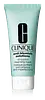 Key Ingredients
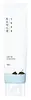
Benefits
Concerns
Ingredients Side-by-side
Water
Skin ConditioningKaolin
Abrasive



Butylene Glycol
Humectant

Magnesium Aluminum Silicate
Absorbent
Sodium Lauroyl Sarcosinate
CleansingGlyceryl Stearate
Emollient

PEG-100 Stearate
Surfactant
Gentiana Lutea Root Extract
Skin ConditioningLaminaria Saccharina Extract
Skin Protecting

Sucrose
Humectant
Algae Extract
Emollient
Aloe Barbadensis Leaf Extract
Emollient

Salicylic Acid
Masking





Acetyl Glucosamine
Skin Conditioning

Inulin
Skin Conditioning
1,2-Hexanediol
Skin Conditioning
Caprylyl Glycol
Emollient
Xanthan Gum
EmulsifyingDisodium EDTA
Chlorphenesin
Antimicrobial
Phenoxyethanol
Preservative
CI 77891
Cosmetic ColorantWater, Kaolin, Butylene Glycol, Magnesium Aluminum Silicate, Sodium Lauroyl Sarcosinate, Glyceryl Stearate, PEG-100 Stearate, Gentiana Lutea Root Extract, Laminaria Saccharina Extract, Sucrose, Algae Extract, Aloe Barbadensis Leaf Extract, Salicylic Acid, Acetyl Glucosamine, Inulin, 1,2-Hexanediol, Caprylyl Glycol, Xanthan Gum, Disodium EDTA, Chlorphenesin, Phenoxyethanol, CI 77891
Kaolin
Abrasive
Glycerin
Humectant
Water
Skin ConditioningBentonite
Absorbent
Trehalose
Humectant
1,2-Hexanediol
Skin Conditioning
Sea Water
HumectantSea Salt
Abrasive
Allantoin
Skin Conditioning
Panthenol
Skin Conditioning
Lactobacillus
Skin ConditioningCaprylyl Glycol
Emollient
Cellulose Gum
Emulsion StabilisingEthylhexylglycerin
Skin ConditioningButylene Glycol
Humectant
Tocopherol
Antioxidant

Xanthan Gum
Emulsifying
Reviews
Ingredients Explained
These ingredients are found in both products.
Ingredients higher up in an ingredient list are typically present in a larger amount.
1,2-Hexanediol is a synthetic liquid and another multi-functional powerhouse.
It is a:
- Humectant, drawing moisture into the skin
- Emollient, helping to soften skin
- Solvent, dispersing and stabilizing formulas
- Preservative booster, enhancing the antimicrobial activity of other preservatives
Butylene Glycol (or BG) is used within cosmetic products for a few different reasons:
Overall, Butylene Glycol is a safe and well-rounded ingredient that works well with other ingredients.
Though this ingredient works well with most skin types, some people with sensitive skin may experience a reaction such as allergic rashes, closed comedones, or itchiness.
Learn more about Butylene GlycolCaprylyl Glycol is a humectant, skin conditioner, emollient, and preservative booster derived from either caprylic acid or synthetically created.
Typical use levels vary from 0.3-1% as a preservative booster and go up to 2% to condition skin.
Because it is not a free-fatty acid, this ingredient is fungal acne safe (there's nothing for Malassezia to feed on).
Learn more about Caprylyl GlycolKaolin is a clay. It is used for oil control and to help minimize pores. Like other clays, kaolin has the ability to absorb excess sebum or oil. This can help clean out pores and mattify the skin.
Some types of kaolin may have exfoliating properties. When water is added to kaolin, it becomes a paste with small abrasive particles.
Most kaolin is a white color, but may be pink/orange/red depending on where it comes from.
The name 'kaolin' comes from a Chinese village named 'Gaoling'. Kaolin clay comes from rocks rich in kaolinite. Kaolinite, the mineral, has a silicate layered structure. Kaolinite is formed from chemical weathering of aluminum siilicate minerals.
Besides skincare, kaolin is commonly used to make glossy paper, in ceramics, toothpaste, and as medicine to soothe stomach issues.
Learn more about KaolinWater. It's the most common cosmetic ingredient of all. You'll usually see it at the top of ingredient lists, meaning that it makes up the largest part of the product.
So why is it so popular? Water most often acts as a solvent - this means that it helps dissolve other ingredients into the formulation.
You'll also recognize water as that liquid we all need to stay alive. If you see this, drink a glass of water. Remember to stay hydrated!
Learn more about WaterXanthan gum is used as a stabilizer and thickener within cosmetic products. It helps give products a sticky, thick feeling - preventing them from being too runny.
On the technical side of things, xanthan gum is a polysaccharide - a combination consisting of multiple sugar molecules bonded together.
Xanthan gum is a pretty common and great ingredient. It is a natural, non-toxic, non-irritating ingredient that is also commonly used in food products.
Learn more about Xanthan Gum

