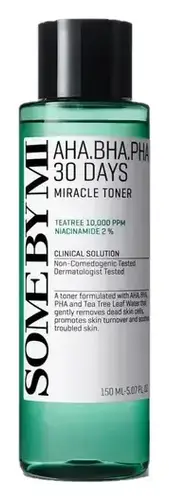
This smoothing exfoliating pad uses a pre-saturated pad with Niacinamide and Glycolic Acid to refine skin texture and refine the look of pores.
This exfoliating pad uses a pre-saturated pad to apply its treatment formula.


What's inside
What's inside
 Key Ingredients
Benefits
Concerns
Ingredients Side-by-side
Triticum Vulgare Seed Extract
BufferingMalva Sylvestris Leaf Water
Skin ConditioningButylene Glycol
Humectant

Dipropylene Glycol
HumectantGlycerin
Humectant
Niacinamide
Smoothing









Water
Skin ConditioningEthylhexylglycerin
Skin ConditioningCaprylyl Glycol
Emollient
Betaine
Humectant
Cellulose Gum
Emulsion StabilisingVinegar
Citric Acid
Buffering

Adenosine
Skin Conditioning
Disodium EDTA
ChelatingSalix Alba Bark Extract
Astringent
Cupressus Sempervirens Leaf Extract
Perfuming
Origanum Vulgare Leaf Extract
Skin ConditioningBacillus/Soybean Ferment Extract
Skin ConditioningBeta Vulgaris Root Extract
Skin ConditioningBetula Alba Bark Extract
Masking
Gold
Cosmetic ColorantBetaine Salicylate
Antimicrobial

Glycolic Acid
Buffering
Laminaria Digitata Extract
Skin Protecting

Macrocystis Pyrifera Extract
Skin Conditioning
Gelidium Cartilagineum Extract
Skin ProtectingPalmaria Palmata Extract
Skin Protecting
Spirulina Platensis Extract
Skin ProtectingTromethamine
BufferingGluconolactone
Chelating
Capryloyl Salicylic Acid
Exfoliating
Caprylic/Capric Triglyceride
Masking
Hydroxydecyl Ubiquinone
Antioxidant
Polyglyceryl-10 Oleate
Skin Conditioning
Hydrogenated Lecithin
Emulsifying
Triticum Vulgare Seed Extract, Malva Sylvestris Leaf Water, Butylene Glycol, Dipropylene Glycol, Glycerin, Niacinamide, Water, Ethylhexylglycerin, Caprylyl Glycol, Betaine, Cellulose Gum, Vinegar, Citric Acid, Adenosine, Disodium EDTA, Salix Alba Bark Extract, Cupressus Sempervirens Leaf Extract, Origanum Vulgare Leaf Extract, Bacillus/Soybean Ferment Extract, Beta Vulgaris Root Extract, Betula Alba Bark Extract, Gold, Betaine Salicylate, Glycolic Acid, Laminaria Digitata Extract, Macrocystis Pyrifera Extract, Gelidium Cartilagineum Extract, Palmaria Palmata Extract, Spirulina Platensis Extract, Tromethamine, Gluconolactone, Capryloyl Salicylic Acid, Caprylic/Capric Triglyceride, Hydroxydecyl Ubiquinone, Polyglyceryl-10 Oleate, Hydrogenated Lecithin


Ingredients Explained
These ingredients are found in both products.
Ingredients higher up in an ingredient list are typically present in a larger amount.
Glycolic Acid is arguably the most famous alpha hydroxy acid (AHA) with tons of research backing its benefits.
It is found naturally in sugar cane but the form used in skincare is usually synthetic for purity and stability.
Glycolic acid removes the top layer of dead skin cells to allow newer and fresher ones to emerge.
AHAs work by breaking down the structural “glue” that holds old skin cells in place. When that buildup is gone, your skin can renew itself more efficiently.
Research also shows glycolic acid stimulates collagen production, helping to firm and thicken the skin over time. This is one of its biggest advantages over other AHAs.
Overall, glycolic acid helps with:
Fun fact: Glycolic acid boosts skin hydration by helping it produce molecules that increase hyaluronic acid naturally.
To work best, glycolic acid products should have a pH between 3-4 (that’s where exfoliation is most effective but still gentle on skin).
The pH and concentration of a product are key to its effectiveness:
It is normal to feel a slight stinging sensation when using glycolic acid. This usually fades as your skin adjusts.
Because glycolic acid has the smallest molecular size in the AHA family, it can penetrate deeper, which enhances its effectiveness but also makes it more likely to irritate sensitive skin.
If your skin is very sensitive or prone to rosacea, glycolic acid may be too strong; in that case, try milder options like lactic acid or a PHA instead.
Recent studies suggest glycolic acid might even help protect against UV damage. But don’t skip sunscreen! Freshly exfoliated skin is more sensitive to the sun.
Glycolic acid is a skincare superstar. It smooths, brightens, hydrates, and firms the skin. Unless you’re highly sensitive, it’s well worth adding to your routine.
Read more about some other popular AHA's here:
Learn more about Glycolic AcidNiacinamide is a multitasking form of vitamin B3 that strengthens the skin barrier, reduces pores and dark spots, regulates oil, and improves signs of aging.
And the best part? It's gentle and well-tolerated by most skin types, including sensitive and reactive skin.
You might have heard of "niacin flush", or the reddening of skin that causes itchiness. Niacinamide has not been found to cause this.
In very rare cases, some individuals may not be able to tolerate niacinamide at all or experience an allergic reaction to it.
If you are experiencing flaking, irritation, and dryness with this ingredient, be sure to double check all your products as this ingredient can be found in all categories of skincare.
When incorporating niacinamide into your routine, look out for concentration amounts. Typically, 5% niacinamide provides benefits such as fading dark spots. However, if you have sensitive skin, it is better to begin with a smaller concentration.
When you apply niacinamide to your skin, your body converts it into nicotinamide adenine dinucleotide (NAD). NAD is an essential coenzyme that is already found in your cells as "fuel" and powers countless biological processes.
In your skin, NAD helps repair cell damage, produce new healthy cells, support collagen production, strengthen the skin barrier, and fight environmental stressors (like UV and pollution).
Our natural NAD levels start to decline with age, leading to slower skin repair, visible aging, and a weaker skin barrier. By providing your skin niacinamide, you're recharging your skin's NAD levels. This leads to stronger, healthier, and younger looking skin.
Another name for vitamin B3 is nicotinamide. This vitamin is water-soluble and our bodies don't store it. We obtain Vitamin B3 from either food or skincare. Meat, fish, wheat, yeast, and leafy greens contain vitamin B3.
The type of niacinamide used in skincare is synthetically created.
Learn more about Niacinamide