

What's inside
What's inside
 Key Ingredients
Benefits
Concerns
Ingredients Side-by-side
Benzoyl Peroxide 4%





Water
Skin ConditioningGlycerin
Humectant


Propylene Glycol
Humectant
Cocamidopropyl Hydroxysultaine
Cleansing
Sodium C14-16 Olefin Sulfonate
Cleansing
Xanthan Gum
EmulsifyingPotassium Hydroxide
BufferingCeramide NP
Skin Conditioning



Ceramide AP
Skin Conditioning
Ceramide EOP
Skin Conditioning
Carbomer
Emulsion StabilisingNiacinamide
Smoothing





Glycolic Acid
Buffering

Sodium Chloride
MaskingSodium Citrate
BufferingSodium Hyaluronate
Humectant
Sodium Lauroyl Lactylate
EmulsifyingSodium Hydroxide
BufferingCholesterol
Emollient
Phenoxyethanol
Preservative
Propanediol
Solvent
Citric Acid
Buffering
Tetrasodium EDTA
Diethylhexyl Sodium Sulfosuccinate
CleansingPhytosphingosine
Skin Conditioning
Ethylhexylglycerin
Skin ConditioningBenzoic Acid
Masking
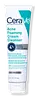
Benzoyl Peroxide 4%, Water, Glycerin, Propylene Glycol, Cocamidopropyl Hydroxysultaine, Sodium C14-16 Olefin Sulfonate, Xanthan Gum, Potassium Hydroxide, Ceramide NP, Ceramide AP, Ceramide EOP, Carbomer, Niacinamide, Glycolic Acid, Sodium Chloride, Sodium Citrate, Sodium Hyaluronate, Sodium Lauroyl Lactylate, Sodium Hydroxide, Cholesterol, Phenoxyethanol, Propanediol, Citric Acid, Tetrasodium EDTA, Diethylhexyl Sodium Sulfosuccinate, Phytosphingosine, Ethylhexylglycerin, Benzoic Acid
Sodium Palmate
CleansingSodium Palm Kernelate
CleansingWater
Skin ConditioningSulfur
Antiseborrhoeic
Parfum
Masking

Sodium Chloride
MaskingGlycerin
Humectant
Oryza Sativa Bran Oil
Emollient
Tetrasodium EDTA
Sodium C14-16 Olefin Sulfonate
Cleansing
Hydrolyzed Soy Protein
Humectant
Tetrasodium Etidronate
Emulsion StabilisingCI 77891
Cosmetic ColorantCI 77266
Cosmetic ColorantCI 74260
Cosmetic ColorantCamellia Sinensis Leaf Extract
Antimicrobial
Garcinia Mangostana Peel Extract
Skin ConditioningCI 11680
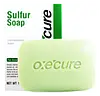
Cosmetic ColorantSodium Palmate, Sodium Palm Kernelate, Water, Sulfur, Parfum, Sodium Chloride, Glycerin, Oryza Sativa Bran Oil, Tetrasodium EDTA, Sodium C14-16 Olefin Sulfonate, Hydrolyzed Soy Protein, Tetrasodium Etidronate, CI 77891, CI 77266, CI 74260, Camellia Sinensis Leaf Extract, Garcinia Mangostana Peel Extract, CI 11680
Reviews
Ingredients Explained
These ingredients are found in both products.
Ingredients higher up in an ingredient list are typically present in a larger amount.
Glycerin (or glycerol) is a compound naturally found in your skin. It's a powerhouse humectant that pulls water into the stratum corneum.
Topically, glycerin does several things at once:
Your skin makes glycerin on its own (mostly from sebaceous oil breakdown) and shuttles it to your outermost layer of skin, or your epidermis, via aquaporin-3.
Aquaporin-3 is a transporter that is essential for normal skin hydration, elasticity, and repair. Interestingly, mice lacking in AQP3 have dry and less elastic skin that can be fully corrected with glycerin.
This ingredient is non-irritating, plays well with almost every ingredient, and works across all skin types. Typical use is anywhere between 3-10% but can go up to 79% in some leave-on products.
Just know very high concentrations (>40%) can feel tacky in low humidity.
Glycerin is the name for this ingredient in American English. British English uses Glycerol/Glycerine.
Learn more about GlycerinSodium C14-16 Olefin Sulfonate is a surfactant that helps water and oil mix so that dirt, sweat, sebum, and sunscreen can rinse away easily. It's not technically a sulfate, but behaves similarly in formulas.
What it does:
Sodium C14-16 Olefin Sulfonate is a strong cleansing surfactant and is much stronger than many mild cleansers. Because it works deeply, it can disrupt the skin's barrier. This can lead to dryness or irritation for those with sensitive skin.
Compared to gentler surfactants, it's effective but more likely to dry or irritate if not balanced with soothing ingredients.
CIR considers sodium α-olefin sulfonates (including C14-16) to be safe for use in rinse-off products when properly formulated. It is poorly absorbed through normal skin but absorption increases if the skin barrier is already damaged.
Learn more about Sodium C14-16 Olefin SulfonateChances are, you eat sodium chloride every day. Sodium Chloride is also known as table salt. This ingredient has many purposes in skincare: thickener, emulsifier, and exfoliator.
You'll most likely find this ingredient in cleansers where it is used to create a gel-like texture. As an emulsifier, it also prevents ingredients from separating.
You might see people debate whether Sodium Chloride is comedogenic, but there actually haven't been any comedogenic tests done on it. Either way, the overall formulation of a product matters a lot more than any single ingredient.
You might see this ingredient used in scrubs as a primary exfoliating ingredient.
Learn more about Sodium ChlorideTetrasodium EDTA is the salt formed from neutralizing ethylenediamine tetraacetic acid with sodium hydroxide. It is a chelating agent and used to prevent metal ions from binding to other ingredients. This helps keep the product and ingredients stable.
Tetrasodium EDTA comes as a white solid and is soluble in water.
Water. It's the most common cosmetic ingredient of all. You'll usually see it at the top of ingredient lists, meaning that it makes up the largest part of the product.
So why is it so popular? Water most often acts as a solvent - this means that it helps dissolve other ingredients into the formulation.
You'll also recognize water as that liquid we all need to stay alive. If you see this, drink a glass of water. Remember to stay hydrated!
Learn more about Water
