
What's inside
What's inside
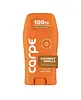 Key Ingredients
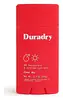
No key ingredients
Benefits
Concerns
Ingredients Side-by-side
Aluminum Sesquichlorohydrate 20%
AstringentWater
Skin ConditioningC13-14 Isoparaffin
Emollient
Silica
Abrasive


Cetearyl Alcohol
Emollient





Glyceryl Stearate Se
Emulsifying
Silica Silylate
Emollient
Ethylhexyl Palmitate
Emollient
Propylene Glycol
Humectant
Zea Mays Starch
Absorbent
Aminomethyl Propanol
BufferingCeteareth-20
Cleansing
Parfum
Masking


Hamamelis Virginiana Water
Astringent
Cocoglycerides
Emollient
Salvia Officinalis Oil
Masking
Sodium Caproyl/Lauroyl Lactylate
AntimicrobialTriethyl Citrate
Masking
Phenoxyethanol
Preservative
Alcohol
Antimicrobial
Caprylyl Glycol
Emollient
Polysorbate 20
Emulsifying
Aluminum Sesquichlorohydrate 20%, Water, C13-14 Isoparaffin, Silica, Cetearyl Alcohol, Glyceryl Stearate Se, Silica Silylate, Ethylhexyl Palmitate, Propylene Glycol, Zea Mays Starch, Aminomethyl Propanol, Ceteareth-20, Parfum, Hamamelis Virginiana Water, Cocoglycerides, Salvia Officinalis Oil, Sodium Caproyl/Lauroyl Lactylate, Triethyl Citrate, Phenoxyethanol, Alcohol, Caprylyl Glycol, Polysorbate 20
Aluminum Zirconium Trichlorohydrex Gly 20%
AstringentCaprylic/Capric Triglyceride
Masking
Caprylyl Glycol
Emollient
Cetyl Palmitate
Emollient
Ethylhexylglycerin
Skin ConditioningAluminum Zirconium Trichlorohydrex Gly 20%, Caprylic/Capric Triglyceride, Caprylyl Glycol, Cetyl Palmitate, Ethylhexylglycerin, Parfum, Hydrogenated Castor Oil, Isododecane, Maranta Arundinacea Root Extract, Neopentyl Glycol Diheptanoate, Salvia Officinalis Oil, Sodium Caproyl/Lauroyl Lactylate, Stearyl Alcohol, Triethyl Citrate
Ingredients Explained
These ingredients are found in both products.
Ingredients higher up in an ingredient list are typically present in a larger amount.
Caprylyl Glycol is a humectant, skin conditioner, emollient, and preservative booster derived from either caprylic acid or synthetically created.
Typical use levels vary from 0.3-1% as a preservative booster and go up to 2% to condition skin.
Because it is not a free-fatty acid, this ingredient is fungal acne safe (there's nothing for Malassezia to feed on).
Learn more about Caprylyl GlycolParfum is a catch-all term for an ingredient or more that is used to give a scent to products.
Also called "fragrance", this ingredient can be a blend of hundreds of chemicals or plant oils. This means every product with "fragrance" or "parfum" in the ingredients list is a different mixture.
For instance, Habanolide is a proprietary trade name for a specific aroma chemical. When used as a fragrance ingredient in cosmetics, most aroma chemicals fall under the broad labeling category of “FRAGRANCE” or “PARFUM” according to EU and US regulations.
The term 'parfum' or 'fragrance' is not regulated in many countries. In many cases, it is up to the brand to define this term.
For instance, many brands choose to label themselves as "fragrance-free" because they are not using synthetic fragrances. However, their products may still contain ingredients such as essential oils that are considered a fragrance by INCI standards.
One example is Calendula flower extract. Calendula is an essential oil that still imparts a scent or 'fragrance'.
Depending on the blend, the ingredients in the mixture can cause allergies and sensitivities on the skin. Some ingredients that are known EU allergens include linalool and citronellol.
Parfum can also be used to mask or cover an unpleasant scent.
The bottom line is: not all fragrances/parfum/ingredients are created equally. If you are worried about fragrances, we recommend taking a closer look at an ingredient. And of course, we always recommend speaking with a professional.
Learn more about ParfumSalvia Officinalis Oil is an oil.
We don't have a description for Sodium Caproyl/Lauroyl Lactylate yet.
Triethyl Citrate comes from citric acid. It has masking, perfuming, and solvent properties. As a solvent, this ingredient helps disperse ingredients evenly in skincare.
One manufacturer claims this ingredient can:
According to perfume manufacturers, this ingredient is almost odorless but has a mild fruity, wine and plum scent. It can be used to mask the scent of other ingredients.
This ingredient can be plant-sourced or synthetic; it can naturally be found in cabbage and white wine.
Learn more about Triethyl Citrate

