
What's inside
What's inside
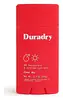 Key Ingredients
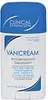
No key ingredients
Benefits
Concerns
Ingredients Side-by-side
Aluminum Zirconium Trichlorohydrex Gly 20%
AstringentCaprylic/Capric Triglyceride
Masking


Caprylyl Glycol
Emollient
Cetyl Palmitate
Emollient

Ethylhexylglycerin
Skin Conditioning




Aluminum Zirconium Trichlorohydrex Gly 20%, Caprylic/Capric Triglyceride, Caprylyl Glycol, Cetyl Palmitate, Ethylhexylglycerin, Parfum, Hydrogenated Castor Oil, Isododecane, Maranta Arundinacea Root Extract, Neopentyl Glycol Diheptanoate, Salvia Officinalis Oil, Sodium Caproyl/Lauroyl Lactylate, Stearyl Alcohol, Triethyl Citrate




Reviews
Ingredients Explained
These ingredients are found in both products.
Ingredients higher up in an ingredient list are typically present in a larger amount.
We don't have a description for Aluminum Zirconium Trichlorohydrex Gly yet.
Hydrogenated Castor Oil (aka "castor wax") is what you get when castor oil is turned into a wax.
Its dominant fatty acid is ricinoleic acid, giving it both emollient and mild humectant properties.
According to EU CosIng, this ingredient helps soften skin, keep oil and water stay mixed, and thickens products.
Hydrogenated castor oil at 30% did not trigger a positive patch-test reaction and is well-tolerated.
Since this ingredient is based on an 18-carbon fatty acid, it falls into the chain-length range that Malassezia can feed on and may not be fungal acne safe.
Learn more about Hydrogenated Castor OilStearyl Alcohol is a type of fatty alcohol from stearic acid. It is a white, waxy compound used to emulsify ingredients used as an emollient or to thicken a product.
Emollients help soothe and hydrate the skin by trapping moisture.
Fatty alcohols are usually derived from natural fats and oils and therefore do not have the same drying or irritating effect as solvent (ethanol) alcohols.
The FDA allows products labeled "alcohol-free" to have fatty alcohols.
This ingredient may not be fungal acne safe. It is a primary fatty alcohol with a chain length above 12 carbons. A study from 2019 show Malassezia can feed on fatty alcohols in this range, so it may trigger fungal acne in those prone to it.
Learn more about Stearyl Alcohol

