This oil-based makeup remover is made to dissolve makeup, sunscreen, and daily buildup.
This oil-based makeup remover is made to dissolve makeup, sunscreen, and daily buildup.


What's inside
What's inside
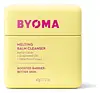 Key Ingredients
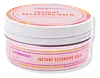
Benefits
Concerns
Ingredients Side-by-side
Palmitic Acid
Emollient





Myristic Acid
Cleansing
Olea Europaea Fruit Oil
Masking

Vitis Vinifera Seed Oil
Emollient
Cetyl Ethylhexanoate
EmollientOrbignya Oleifera Seed Oil
Emollient
Niacinamide
Smoothing










Ceramide NP
Skin Conditioning
Hippophae Rhamnoides Oil
Emollient
Sphingolipids
Emollient
Stearic Acid
Cleansing
Sorbeth-30 Tetraoleate
Emulsifying
Synthetic Wax
Abrasive
1,2-Hexanediol
Skin Conditioning
Tocopheryl Acetate
Antioxidant

Rosmarinus Officinalis Leaf Oil
Masking
Palmitic Acid, Myristic Acid, Olea Europaea Fruit Oil, Vitis Vinifera Seed Oil, Cetyl Ethylhexanoate, Orbignya Oleifera Seed Oil, Niacinamide, Ceramide NP, Hippophae Rhamnoides Oil, Sphingolipids, Stearic Acid, Sorbeth-30 Tetraoleate, Synthetic Wax, 1,2-Hexanediol, Tocopheryl Acetate, Rosmarinus Officinalis Leaf Oil

Reviews
Ingredients Explained
These ingredients are found in both products.
Ingredients higher up in an ingredient list are typically present in a larger amount.
1,2-Hexanediol is a synthetic liquid and another multi-functional powerhouse.
It is a:
- Humectant, drawing moisture into the skin
- Emollient, helping to soften skin
- Solvent, dispersing and stabilizing formulas
- Preservative booster, enhancing the antimicrobial activity of other preservatives
Cetyl Ethylhexanoate is an emollient ester. It comes from cetearyl alcohol and 2-ethylhexanoic acid.
Cetyl Ethylhexanoate is an emollient that adds a velvety feel to skin without being greasy or oily. Emollients help trap moisture into your skin, keeping your skin soft and hydrated.
Hippophae Rhamnoides Oil also known as seabuckthorn oil. This oil is usually extracted from the fruit pulp or seeds.
Seabuckthorn is rich in phytosterols, carotenoids, Vitamins A, C, and E. This gives it strong antioxidant properties that can help soothe and protect your skin from oxidative damage.
This oil is rich in fatty acids, including: two types of linoleic acid (~30-34%), oleic acid (17%), and palmiteic acid (35%). Note these numbers are averages, and different parts of the plant will vary.
Palmitoleic acid has been shown to help soothe inflammation and promote wound healing. It is also naturally found in the fat of our skin.
Overall, seabuckthorn oil is great for nourishing, hydrating, and soothing skin. While it shows UV protecting properties, it should not replace sunscreen.
Due to the rich fatty acid content, this ingredient may not be Malassezia folliculitis, or fungal acne, safe.
Seabuckthorn berries are little orange fruits. This plant is native to Asia.
Learn more about Hippophae Rhamnoides OilSynthetic Wax is a manufactured hydrocarbon wax. In formulas, it works as an occlusive emollient that helps reduce water loss and improves the spreadability of products.
Research comparing synthetic wax to traditional mineral-derived products found that formulas containing it perform as well for skin hydration.
It is considered non-comedogenic and vegan-friendly.
This ingredient has a well-established safety record by the CIR Expert Panel for Cosmetic Ingredient Safety.
Synthetic Waxes are straight/branched-chain hydrocarbons with no ester bond or fatty acids. That means there is nothing for the Malassezia yeast to feed on.
Learn more about Synthetic WaxTocopheryl Acetate is a stable, shelf-friendly form of vitamin E.
Formulators love it because plain vitamin E oxidizes quickly once it hits air. This acetate version stays stable and resists going off, helping to extend a product's shelf life.
It's actually inactive on its own and works like a slow-release "storage" form; the enzymes in your skin called esterases gradually convert it into active vitamin E over time.
One in vivo study showed 5% of the acetate in the living layer of the epidermis converted to vitamin E after 5 days of application. This study also found the skin gained protection against UV damage even though the conversion was slow and small.
Once converted, vitamin E acts as a skin's main fat-soluble antioxidant that fights free radicals to protect skin from damage.
Topical vitamin E generally boosts the skin's photoprotection, and it reduced UV-damage in animal models.
This ingredient has some brightening potential but it's more of a prevention ingredient than spot-fader. Cell studies show it can slow down melanin production but it's worth noting that it's not the most powerful brightener out there.
Overall, it has a pretty solid safety profile and has been found to be non-irritating and non-comedogenic. Allergic reactions may happen but stay rare due to how widely the ingredient gets used.
The concentration will vary depending on the formula; industry data shows 0.1% in baby lotions, 3% in lipsticks, and 5% in foot powders. You can also find this ingredient at 100% in a pure vitamin E oil.
Most leave-on skincare keeps it at the lower end, often between 0.5-1%.
Learn more about Tocopheryl Acetate

