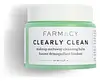
This oil-based makeup remover is made to dissolve makeup, sunscreen, and daily buildup.
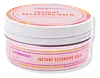
This oil-based makeup remover is made to dissolve makeup, sunscreen, and daily buildup.

What's inside
What's inside
 Key Ingredients
Benefits
Concerns
Ingredients Side-by-side
Cetyl Ethylhexanoate
EmollientSynthetic Wax
Abrasive

Coco-Caprylate/Caprate
Emollient
Caprylic/Capric Triglyceride
Masking

Polyglyceryl-10 Dioleate
Emulsifying

Polyglyceryl-6 Dicaprate
EmulsifyingSorbitan Oleate Decylglucoside Crosspolymer
CleansingHelianthus Annuus Seed Oil
Emollient
Moringa Oleifera Seed Extract
Skin Conditioning
Carica Papaya Fruit Extract
Skin ConditioningMoringa Oleifera Leaf Water
Skin ConditioningPentylene Glycol
Skin Conditioning
Gluconolactone
Chelating







Polyglyceryl-6 Oleate
Emulsifying
Glyceryl Citrate/Lactate/Linoleate/Oleate
Emulsifying
Sorbitan Sesquioleate
Emulsifying
Potassium Olivate
EmulsifyingGlyceryl Caprylate
EmollientPolyglyceryl-3 Caprate
EmulsifyingPolyglyceryl-4 Cocoate
Emollient

Sodium Chloride
MaskingButylene Glycol
Humectant
Water
Skin ConditioningSodium Benzoate
Masking
Maltodextrin
Absorbent
Glyceryl Laurate
Emollient
Cetyl Ethylhexanoate, Synthetic Wax, Coco-Caprylate/Caprate, Caprylic/Capric Triglyceride, Polyglyceryl-10 Dioleate, Polyglyceryl-6 Dicaprate, Sorbitan Oleate Decylglucoside Crosspolymer, Helianthus Annuus Seed Oil, Moringa Oleifera Seed Extract, Carica Papaya Fruit Extract, Moringa Oleifera Leaf Water, Pentylene Glycol, Gluconolactone, Polyglyceryl-6 Oleate, Glyceryl Citrate/Lactate/Linoleate/Oleate, Sorbitan Sesquioleate, Potassium Olivate, Glyceryl Caprylate, Polyglyceryl-3 Caprate, Polyglyceryl-4 Cocoate, Sodium Chloride, Butylene Glycol, Water, Sodium Benzoate, Maltodextrin, Glyceryl Laurate




Reviews
Ingredients Explained
These ingredients are found in both products.
Ingredients higher up in an ingredient list are typically present in a larger amount.
Caprylic/Capric Triglyceride (aka MCT Oil) is a lightweight emollient, solvent, and texture enhancer. It is considered a skin-softener by helping to prevent moisture loss.
Though it behaves like an oil, it is not technically one due to its chemical composition. One perk of this ingredient is that it is very stable, resistant to oxidation, and unlikely to go rancid.
In practice, that translates to a long shelf life and a consistently elegant skin feel.
While there is an assumption Caprylic Triglyceride can clog pores due to it being derived from coconut oil, there is no research supporting this. Just patch test if you have concerns.
Fractionated coconut oil and MCT Oil are both listed as Caprylic/Capric Triglyceride according to INCI. This is because INCI names are based on the ingredient’s final chemical composition and not its marketing name or source.
This ingredient is treated as the gold standard fungal acne safe oil. Even though it is coconut derived, the problematic lauric acid is stripped out.
This leaves just caprylic (C8) and capric (C10) acid. These chain lengths actually trend antifungal; a 2020 study found caprylic acid was enough to disrupt Malassezia furfur cell membrane, with a caprylic acid derivative damaging membrane structures at concentrations as low as 0.2%.
Learn more about Caprylic/Capric TriglycerideCetyl Ethylhexanoate is an emollient ester. It comes from cetearyl alcohol and 2-ethylhexanoic acid.
Cetyl Ethylhexanoate is an emollient that adds a velvety feel to skin without being greasy or oily. Emollients help trap moisture into your skin, keeping your skin soft and hydrated.
Synthetic Wax is a manufactured hydrocarbon wax. In formulas, it works as an occlusive emollient that helps reduce water loss and improves the spreadability of products.
Research comparing synthetic wax to traditional mineral-derived products found that formulas containing it perform as well for skin hydration.
It is considered non-comedogenic and vegan-friendly.
This ingredient has a well-established safety record by the CIR Expert Panel for Cosmetic Ingredient Safety.
Synthetic Waxes are straight/branched-chain hydrocarbons with no ester bond or fatty acids. That means there is nothing for the Malassezia yeast to feed on.
Learn more about Synthetic Wax

