

What's inside
What's inside
 Key Ingredients
Benefits
Concerns
Ingredients Side-by-side
Water
Skin ConditioningAcrylates/Steareth-20 Methacrylate Copolymer
Disodium Cocoyl Glutamate
Cleansing
Glycerin
Humectant


Sodium Cocoyl Glutamate
Cleansing
Lavandula Angustifolia Flower Water
Skin Conditioning
Mentha Viridis Leaf Extract
Masking
Aloe Barbadensis Leaf Juice
Skin Conditioning

Hydrolyzed Rhodophyceae Extract
Caffeine
Skin Conditioning
Butylene Glycol
Humectant
Gluconolactone
Skin Conditioning





Ethylhexylglycerin
Skin ConditioningPhenoxyethanol
Preservative
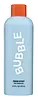
Water, Acrylates/Steareth-20 Methacrylate Copolymer, Disodium Cocoyl Glutamate, Glycerin, Sodium Cocoyl Glutamate, Lavandula Angustifolia Flower Water, Mentha Viridis Leaf Extract, Aloe Barbadensis Leaf Juice, Hydrolyzed Rhodophyceae Extract, Caffeine, Butylene Glycol, Gluconolactone, Ethylhexylglycerin, Phenoxyethanol
Water
Skin ConditioningAloe Barbadensis Leaf Juice
Skin Conditioning
Disodium Cocoyl Glutamate
Cleansing
Glycerin
Humectant
Pentylene Glycol
Skin Conditioning
Populus Tremuloides Bark Extract
AntiseborrhoeicBetaine
Humectant
Saccharomyces Ferment Filtrate
Humectant
Cellulose Gum
Emulsion StabilisingHydrolyzed Jojoba Esters
Skin Conditioning
Xanthan Gum
EmulsifyingInulin
Skin Conditioning
Cellulose
Absorbent
Glucose
Humectant
Fructose
Humectant
Camellia Sinensis Extract
Antioxidant
Cucumis Sativus Extract
Skin Conditioning
Sodium PCA
Humectant
Sodium Lactate
Buffering
Arginine
Masking
Aspartic Acid
Masking
PCA
Humectant
Glycine
Buffering
Alanine
Masking
Serine
Masking
Valine
MaskingProline
Skin Conditioning
Threonine
Isoleucine
Skin ConditioningHistidine
Humectant
Phenylalanine
Masking
Citrus Aurantium Bergamia Peel Oil
Perfuming



Sodium Phytate
Citric Acid
Buffering

Linalool
Perfuming
Limonene
Perfuming
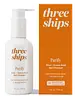
Water, Aloe Barbadensis Leaf Juice, Disodium Cocoyl Glutamate, Glycerin, Pentylene Glycol, Populus Tremuloides Bark Extract, Betaine, Saccharomyces Ferment Filtrate, Cellulose Gum, Hydrolyzed Jojoba Esters, Xanthan Gum, Inulin, Cellulose, Glucose, Fructose, Camellia Sinensis Extract, Cucumis Sativus Extract, Sodium PCA, Sodium Lactate, Arginine, Aspartic Acid, PCA, Glycine, Alanine, Serine, Valine, Proline, Threonine, Isoleucine, Histidine, Phenylalanine, Citrus Aurantium Bergamia Peel Oil, Sodium Phytate, Citric Acid, Linalool, Limonene
Reviews
Ingredients Explained
These ingredients are found in both products.
Ingredients higher up in an ingredient list are typically present in a larger amount.
Aloe Barbadensis Leaf Juice comes from leaves of the aloe plant. Aloe Barbadensis Leaf Juice is best known for helping to soothe sunburns. It is also anti-inflammatory, moisturizing, antiseptic, and can help heal wounds.
Aloe is packed with good stuff including Vitamins A, C, and E. These vitamins are antioxidants, which help fight free-radicals and the damage they may cause. Free-radicals are molecules that may damage your skin cells, such as pollution.
Aloe Barbadensis Leaf Juice also contains sugars. These sugars come in the form of monosaccharides and polysaccharides, folic acid, and choline. These sugars are able to help bind moisture to skin.
It also contains minerals such as calcium, 12 anthraquinones, fatty acids, amino acids, and Vitamin B12.
Learn more about Aloe Barbadensis Leaf JuiceWe don't have a description for Disodium Cocoyl Glutamate yet.
Glycerin (or glycerol) is a compound naturally found in your skin. It's a powerhouse humectant that pulls water into the stratum corneum.
Topically, glycerin does several things at once:
Your skin makes glycerin on its own (mostly from sebaceous oil breakdown) and shuttles it to your outermost layer of skin, or your epidermis, via aquaporin-3.
Aquaporin-3 is a transporter that is essential for normal skin hydration, elasticity, and repair. Interestingly, mice lacking in AQP3 have dry and less elastic skin that can be fully corrected with glycerin.
This ingredient is non-irritating, plays well with almost every ingredient, and works across all skin types. Typical use is anywhere between 3-10% but can go up to 79% in some leave-on products.
Just know very high concentrations (>40%) can feel tacky in low humidity.
Glycerin is the name for this ingredient in American English. British English uses Glycerol/Glycerine.
Learn more about GlycerinWater. It's the most common cosmetic ingredient of all. You'll usually see it at the top of ingredient lists, meaning that it makes up the largest part of the product.
So why is it so popular? Water most often acts as a solvent - this means that it helps dissolve other ingredients into the formulation.
You'll also recognize water as that liquid we all need to stay alive. If you see this, drink a glass of water. Remember to stay hydrated!
Learn more about Water
