
What's inside
What's inside
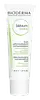 Key Ingredients
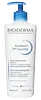
Benefits
Concerns
Ingredients Side-by-side
Water
Skin ConditioningGlycerin
Humectant


Paraffinum Liquidum
Emollient

Ethylhexyl Palmitate
Emollient

Dipropylene Glycol
HumectantXylitol
Humectant
Bis-PEG/PPG-16/16 PEG/PPG-16/16 Dimethicone
Emollient
Sodium Acrylate/Sodium Acryloyldimethyl Taurate Copolymer
Emulsion StabilisingIsohexadecane
EmollientCaprylic/Capric Triglyceride
Masking
Glycyrrhetinic Acid
Skin Conditioning
Tocopheryl Acetate
Antioxidant


Polysorbate 80
Emulsifying
Disodium EDTA
Allantoin
Skin Conditioning
Fructooligosaccharides
Humectant
Mannitol
Humectant
Propylene Glycol
Humectant

Cetrimonium Bromide
Antimicrobial
Ceramide NP
Skin Conditioning

Rhamnose
HumectantGinkgo Biloba Leaf Extract
Skin Conditioning
Dodecyl Gallate
Antioxidant
Laminaria Ochroleuca Extract
Skin Conditioning
Parfum
Masking

Water, Glycerin, Paraffinum Liquidum, Ethylhexyl Palmitate, Dipropylene Glycol, Xylitol, Bis-PEG/PPG-16/16 PEG/PPG-16/16 Dimethicone, Sodium Acrylate/Sodium Acryloyldimethyl Taurate Copolymer, Isohexadecane, Caprylic/Capric Triglyceride, Glycyrrhetinic Acid, Tocopheryl Acetate, Polysorbate 80, Disodium EDTA, Allantoin, Fructooligosaccharides, Mannitol, Propylene Glycol, Cetrimonium Bromide, Ceramide NP, Rhamnose, Ginkgo Biloba Leaf Extract, Dodecyl Gallate, Laminaria Ochroleuca Extract, Parfum
Water
Skin ConditioningGlycerin
Humectant
Paraffinum Liquidum
Emollient
Ethylhexyl Stearate
Emollient
Dimethicone
Emollient
Niacinamide
Smoothing





Sucrose Stearate
EmollientGlyceryl Dibehenate
Emollient
Fructooligosaccharides
Humectant
Mannitol
Humectant
Xylitol
Humectant
Rhamnose
HumectantLaminaria Ochroleuca Extract
Skin Conditioning
Peumus Boldus Leaf Extract
MaskingZanthoxylum Bungeanum Fruit Extract
Skin ConditioningTribehenin
Emollient
Pentylene Glycol
Skin Conditioning
Glyceryl Behenate
Emollient
Acrylates/C10-30 Alkyl Acrylate Crosspolymer
Emulsion Stabilising1,2-Hexanediol
Skin Conditioning
Caprylyl Glycol
Emollient
Ammonium Acryloyldimethyltaurate/Vp Copolymer
Caprylic/Capric Triglyceride
Masking
Oleyl Alcohol
Emollient
Xanthan Gum
EmulsifyingSodium Hydroxide
BufferingDisodium EDTA
Water, Glycerin, Paraffinum Liquidum, Ethylhexyl Stearate, Dimethicone, Niacinamide, Sucrose Stearate, Glyceryl Dibehenate, Fructooligosaccharides, Mannitol, Xylitol, Rhamnose, Laminaria Ochroleuca Extract, Peumus Boldus Leaf Extract, Zanthoxylum Bungeanum Fruit Extract, Tribehenin, Pentylene Glycol, Glyceryl Behenate, Acrylates/C10-30 Alkyl Acrylate Crosspolymer, 1,2-Hexanediol, Caprylyl Glycol, Ammonium Acryloyldimethyltaurate/Vp Copolymer, Caprylic/Capric Triglyceride, Oleyl Alcohol, Xanthan Gum, Sodium Hydroxide, Disodium EDTA
Reviews
Ingredients Explained
These ingredients are found in both products.
Ingredients higher up in an ingredient list are typically present in a larger amount.
This ingredient is a lightweight emollient, solvent, and texture enhancer. It is considered a skin-softener by helping the skin prevent moisture loss.
It helps thicken a product's formula and makes it easier to spread by dissolving clumping compounds.
Caprylic Triglyceride is made by combining glycerin with coconut oil, forming a clear liquid. Though it behaves like an oil, it is not technically one due to its chemical composition. It is very stable, resistant to oxidation, and unlikely to go rancid. In practice, that translates to a long shelf life and a consistently elegant skin feel.
While there is an assumption Caprylic Triglyceride can clog pores due to it being derived from coconut oil, there is no research supporting this. Be sure to patch test if you have concerns.
Fractionated coconut oil and MCT Oil are both listed as Caprylic/Capric Triglyceride according to INCI. This is because INCI names are based on the ingredient’s final chemical composition and not its marketing name or source.
Learn more about Caprylic/Capric TriglycerideDisodium EDTA is a chelating agent. It grabs onto and deactivates metal ions that sneak into your products from water, packaging, or air.
This ingredient mainly works behind the scenes and helps with:
On top of that, this ingredient can counteract the effects of hard water by binding to the minerals in it.
One thing worth knowing is that Disodium EDTA has been shown to be a mild penetration enhancer. It can help other ingredients absorb into skin more effectively which can be a double-edged sword (great for actives, but can also make the active too strong if you have sensitive skin).
Clinical patch testing showed no significant skin irritation at typical use concentrations and minimal dermal absorption.
You'll most likely see this ingredient near the end of an ingredient list. It's typically found in concentrations less than 1%.
Learn more about Disodium EDTAFructooligosaccharides (FOS) are a type of prebiotic sugar with humectant and skin conditioning properties. As a humectant, they help attract and hold moisture in the skin.
FOS essentially acts as a food source for the "good" bacteria on your skin and make it harder for "bad" bacteria to thrive. A 2022 study using a reconstructured human skin model found that just 1% of FOS was enough to shift the bacteria balance in favor of beneficial species. This suggests it could help support a healthier skin microbiome over time.
This ingredient has a low sensitization risk and testing shows it does not classify as a skin irritant or sensitizer.
FOS are usually produced from sugar beets and can also be found in foods like bananas, garlic, and onions.
Learn more about FructooligosaccharidesGlycerin (or glycerol) is a compound naturally found in your skin. It's a powerhouse humectant that pulls water into the stratum corneum.
Topically, glycerin does several things at once:
Your skin makes glycerin on its own (mostly from sebaceous oil breakdown) and shuttles it to your outermost layer of skin, or your epidermis, via aquaporin-3.
Aquaporin-3 is a transporter that is essential for normal skin hydration, elasticity, and repair. Interestingly, mice lacking in AQP3 have dry and less elastic skin that can be fully corrected with glycerin.
This ingredient is non-irritating, plays well with almost every ingredient, and works across all skin types. Typical use is anywhere between 3-10% but can go up to 79% in some leave-on products.
Just know very high concentrations (>40%) can feel tacky in low humidity.
Glycerin is the name for this ingredient in American English. British English uses Glycerol/Glycerine.
Learn more about GlycerinLaminaria Ochroleuca Extract is a type of kelp. It helps sooth and hydrate the skin. By nourishing the skin's barrier, it may also help relieve irritation.
This ingredient contains both lipids and antioxidants. The lipids nourish the skin's barrier. Antioxidants help fight free-radicals. Free-radicals are molecules that may damage your skin cells.
This ingredient is good for soothing sensitive skin.
Many different types of algae have different benefits.
Learn more about Laminaria Ochroleuca ExtractMannitol is a sugar alcohol. It is a humectant and moisturizes the skin. In vitro (not tested on a living organism), mannitol displays antioxidant properties.
When found in aqueous solutions, mannitol tends to become acidic. This is because it loses a hydrogen ion. This is why mannitol can often be found with pH adjusting ingredients, such as sodium bicarbonate.
Fun fact: Mannitol can be found in foods as a sweetener. It can be naturally found in mushrooms, algae, fruits, and veggies.
Learn more about MannitolParaffinum Liquidum is a highly-refined cosmetic-grade mineral oil. It is also known as liquid paraffin.
Despite its controversial reputation, the science is pretty clear: it's one of the most well-studied and effective moisturizing ingredients out there.
As an occlusive, it forms a protective layer on the skin that locks in moisture and prevents transepidermal water loss (TEWL). This makes it especially great for compromised skin barriers.
The "it clogs your pores" myth has been around for decades; a study found that industrial-grade mineral oil may be comedogenic but cosmetic-grade mineral oil is not (these two are very, very different).
A 2017 review concluded that cosmetic use of mineral oils and waxes does not present a risk to consumers due to absorption.
Mineral oil got a bad rap from the old rabbit ear studies. When tested on actual human skin, cosmetic-grade mineral oil showed no comedogenic activity. The rating of 0 is a correction of outdated science.
Mineral oil is an inert substance with no fatty acids so there's nothing to feed Malassezia. This ingredient is fungal acne safe.
Learn more about Paraffinum LiquidumWe don't have a description for Rhamnose yet.
Water. It's the most common cosmetic ingredient of all. You'll usually see it at the top of ingredient lists, meaning that it makes up the largest part of the product.
So why is it so popular? Water most often acts as a solvent - this means that it helps dissolve other ingredients into the formulation.
You'll also recognize water as that liquid we all need to stay alive. If you see this, drink a glass of water. Remember to stay hydrated!
Learn more about WaterXylitol is a humectant and prebiotic. It can help with dry skin.
In studies, xylitol has been shown to improve dry skin. It decreased transepidermal water loss, or when water passes through the skin and evaporates. Xylitol also showed to help improve the biomechanical properties of the skin barrier.
The prebiotic property of xylitol may also help reinforce our skin's natural microbiome. Having a healthy microbiome prevents infection by bad bacteria and helps with hydration.
As a humectant, Xylitol helps draw moisture from both the air and from deeper skin layers. This helps keep skin hydrated.
Xylitol is a sugar alcohol and commonly used as a sugar substitute. It is naturally occurring in plants such as strawberries and pumpkin.
Learn more about Xylitol
