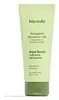
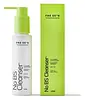
This mild gel cleanser is made to cleanse without leaving your skin tight or dry.
This mild gel cleanser is made to cleanse without leaving your skin tight or dry.

What's inside
What's inside
 Key Ingredients
No key ingredients
Benefits
Concerns
Ingredients Side-by-side
Water
Skin ConditioningDisodium Cocoamphodiacetate
CleansingDecyl Glucoside
Cleansing
Glycerin
Humectant


Coco-Glucoside
Cleansing
Cocamidopropyl Hydroxysultaine
Cleansing
Xanthan Gum
EmulsifyingPotassium Sorbate
Preservative
Betaine
Humectant
Glyceryl Glucoside
Humectant
Xylitylglucoside
Humectant
Trehalose
Humectant
Lactic Acid
Buffering








Aloe Barbadensis Leaf Juice
Skin Conditioning
Saccharide Isomerate
Humectant
Hyaluronic Acid
Humectant
Sodium Gluconate
ChelatingLavandula Angustifolia Oil
Masking



Sodium Hyaluronate
Humectant
Water, Disodium Cocoamphodiacetate, Decyl Glucoside, Glycerin, Coco-Glucoside, Cocamidopropyl Hydroxysultaine, Xanthan Gum, Potassium Sorbate, Betaine, Glyceryl Glucoside, Xylitylglucoside, Trehalose, Lactic Acid, Aloe Barbadensis Leaf Juice, Saccharide Isomerate, Hyaluronic Acid, Sodium Gluconate, Lavandula Angustifolia Oil, Sodium Hyaluronate
Water
Skin ConditioningCaviar Extract
Skin ConditioningCucumis Sativus Fruit Extract
Emollient
Coco-Glucoside
Cleansing
Sodium Lauryl Glucose Carboxylate
CleansingLauryl Glucoside
CleansingCocamidopropyl Betaine
Cleansing
Acrylates Copolymer
Glycerin
Humectant
Microcrystalline Cellulose
AbsorbentCellulose Gum
Emulsion StabilisingXylitylglucoside
Humectant
Anhydroxylitol
Humectant
Xylitol
Humectant
Saccharide Hydrolysate
HumectantPhenoxyethanol
Preservative
Ethylhexylglycerin
Skin ConditioningRapeseed Sophorolipids
AntimicrobialSodium Gluconate
ChelatingTriethanolamine
BufferingDisodium EDTA
ChelatingWater, Caviar Extract, Cucumis Sativus Fruit Extract, Coco-Glucoside, Sodium Lauryl Glucose Carboxylate, Lauryl Glucoside, Cocamidopropyl Betaine, Acrylates Copolymer, Glycerin, Microcrystalline Cellulose, Cellulose Gum, Xylitylglucoside, Anhydroxylitol, Xylitol, Saccharide Hydrolysate, Phenoxyethanol, Ethylhexylglycerin, Rapeseed Sophorolipids, Sodium Gluconate, Triethanolamine, Disodium EDTA
Ingredients Explained
These ingredients are found in both products.
Ingredients higher up in an ingredient list are typically present in a larger amount.
Coco-Glucoside is a surfactant, or a cleansing ingredient. It is made from glucose and coconut oil.
Surfactants help gather dirt, oil, and other pollutants from your skin to be rinsed away.
This ingredient is considered gentle and non-comedogenic. However, it may still be irritating for some.
Learn more about Coco-GlucosideGlycerin (or glycerol) is a compound naturally found in your skin. It's a powerhouse humectant that pulls water into the stratum corneum.
Topically, glycerin does several things at once:
Your skin makes glycerin on its own (mostly from sebaceous oil breakdown) and shuttles it to your outermost layer of skin, or your epidermis, via aquaporin-3.
Aquaporin-3 is a transporter that is essential for normal skin hydration, elasticity, and repair. Interestingly, mice lacking in AQP3 have dry and less elastic skin that can be fully corrected with glycerin.
This ingredient is non-irritating, plays well with almost every ingredient, and works across all skin types. Typical use is anywhere between 3-10% but can go up to 79% in some leave-on products.
Just know very high concentrations (>40%) can feel tacky in low humidity.
Glycerin is the name for this ingredient in American English. British English uses Glycerol/Glycerine.
Learn more about GlycerinSodium Gluconate is the sodium salt of gluconic acid. In skincare, its main job is as a chelator.
Chelators grab onto stray metal ions like iron and copper that sneak in through water, raw materials, or manufacturing equipment. This stops them from triggering reactions that cause oils to go rancid, formulas to change color, and actives like vitamin C to fall apart.
This ingredient is often chosen as a biodegradable, gentler-sounding alternative to EDTA. It also pulls double duty as a mild humectant and pH buffer.
Typical use levels sit around 0.1-1% and supplier documents list up to 10% as an acceptable ceiling. Industry data found this ingredient family is mostly used well below 1% in leave on products.
Allergy risk is very low; animal testing has found it to be non-irritating to skin and eyes, mutagenicity assays came back negative, and there are no published reports of allergic contact dermatitis to it.
Learn more about Sodium GluconateWater. It's the most common cosmetic ingredient of all. You'll usually see it at the top of ingredient lists, meaning that it makes up the largest part of the product.
So why is it so popular? Water most often acts as a solvent - this means that it helps dissolve other ingredients into the formulation.
You'll also recognize water as that liquid we all need to stay alive. If you see this, drink a glass of water. Remember to stay hydrated!
Learn more about WaterXylitylglucoside is created from xylitol and glucose, two humectants.
Not surprisingly, this ingredient is also a humectant. It attracts and holds water in your skin, helping to maintain hydration.
This ingredient is most commonly found in a popular trio called Aquaxyl. Aquaxyl is made up of anhydroxylitol(24 - 34%), xylitylglucoside (35 - 50%), and xylitol (5 - 15%).
According to a manufacturer, Aquaxyl is known for a 3-D hydration concept and an anti-dehydration shield to reinforce the outer layer of skin.
Learn more about Xylitylglucoside

