
What's inside
What's inside
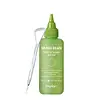 Key Ingredients
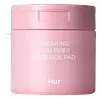
Benefits
Concerns
Ingredients Side-by-side
Water
Skin ConditioningTromethamine
Buffering1,2-Hexanediol
Skin Conditioning
Butylene Glycol
Humectant
Arginine
Masking
Propanediol
Solvent
Polyglyceryl-6 Dicaprate
EmulsifyingPolyacrylate Crosspolymer-6
Emulsion StabilisingMethylpropanediol
SolventDehydroxanthan Gum
Emulsion StabilisingSodium Cocoyl Alaninate
Surfactant
Ethylhexylglycerin
Skin ConditioningVinegar
Vigna Radiata Seed Extract
Skin ConditioningHydrolyzed Sclerotium Gum
HumectantAllantoin
Skin Conditioning

Dipotassium Glycyrrhizate
Humectant
Myosotis Sylvatica Flower/Leaf/Stem Extract
Skin ConditioningHemerocallis Fulva Flower Extract
Skin ConditioningVitis Vinifera Fruit Extract
Skin ConditioningMalus Domestica Fruit Extract
Antioxidant
Prunus Mume Fruit Extract
Humectant
Carica Papaya Fruit Extract
Skin ConditioningSuccinic Acid
BufferingGluconolactone
Skin Conditioning






Citric Acid
Buffering

Capryloyl Salicylic Acid
Exfoliating
Betaine Salicylate
Antimicrobial
Prunus Amygdalus Dulcis Fruit Extract
Skin ConditioningTremella Fuciformis Extract
Humectant
Tabebuia Impetiginosa Bark Extract
Skin ConditioningWater, Tromethamine, 1,2-Hexanediol, Butylene Glycol, Arginine, Propanediol, Polyglyceryl-6 Dicaprate, Polyacrylate Crosspolymer-6, Methylpropanediol, Dehydroxanthan Gum, Sodium Cocoyl Alaninate, Ethylhexylglycerin, Vinegar, Vigna Radiata Seed Extract, Hydrolyzed Sclerotium Gum, Allantoin, Dipotassium Glycyrrhizate, Myosotis Sylvatica Flower/Leaf/Stem Extract, Hemerocallis Fulva Flower Extract, Vitis Vinifera Fruit Extract, Malus Domestica Fruit Extract, Prunus Mume Fruit Extract, Carica Papaya Fruit Extract, Succinic Acid, Gluconolactone, Citric Acid, Capryloyl Salicylic Acid, Betaine Salicylate, Prunus Amygdalus Dulcis Fruit Extract, Tremella Fuciformis Extract, Tabebuia Impetiginosa Bark Extract
Beta Vulgaris Root Extract
Skin ConditioningWater
Skin ConditioningDipropylene Glycol
HumectantMethylpropanediol
SolventButylene Glycol
Humectant
1,2-Hexanediol
Skin Conditioning
Theobroma Cacao Seed Extract
Antioxidant
Gardenia Florida Fruit Extract
Skin ConditioningPanthenol
Skin Conditioning
Trehalose
Humectant
Disodium EDTA
Xanthan Gum
EmulsifyingTromethamine
BufferingGluconolactone
Skin Conditioning
Allantoin
Skin Conditioning
Glycolic Acid
Buffering
Dextrin
AbsorbentCyanocobalamin
Skin ConditioningSalicylic Acid
Masking


Hydroxyacetophenone
Antioxidant
Beta Vulgaris Root Extract, Water, Dipropylene Glycol, Methylpropanediol, Butylene Glycol, 1,2-Hexanediol, Theobroma Cacao Seed Extract, Gardenia Florida Fruit Extract, Panthenol, Trehalose, Disodium EDTA, Xanthan Gum, Tromethamine, Gluconolactone, Allantoin, Glycolic Acid, Dextrin, Cyanocobalamin, Salicylic Acid, Hydroxyacetophenone
Reviews
Ingredients Explained
These ingredients are found in both products.
Ingredients higher up in an ingredient list are typically present in a larger amount.
1,2-Hexanediol is a synthetic liquid and another multi-functional powerhouse.
It is a:
- Humectant, drawing moisture into the skin
- Emollient, helping to soften skin
- Solvent, dispersing and stabilizing formulas
- Preservative booster, enhancing the antimicrobial activity of other preservatives
Allantoin is a soothing ingredient known for its protective and moisturizing properties; it's basically a quiet workhorse ingredient you can find in a huge range of cosmetics.
Though it can be derived from the comfrey plant, allantoin is produced synthetically for cosmetic products to ensure purity.
Research shows it can encourage your skin cells to turn over and renew by stimulating keratinocyte and fibroblast proliferation.
It also has mild keratolytic properties to help loosen and shed dead skin cells without being harsh.
Studies also suggest allantoin can help calm inflammation by dialing down some of the chemical signals your skin sends out when it is irritated.
This ingredient is typically used in the 0.1-0.5% range, and the FDA recognizes it as a skin protectant in OTC products up to 2%.
Overall, allantoin is a wonderful addition to most routines; it is stable across a wide pH range (~4-8), works well with other ingredients, and is considered non-sensitizing/non-irritating.
Fun fact: Allantoin is naturally occurring in comfrey root, beets, chamomile, and wheat sprouts. Our bodies even produce it as a byproduct of uric acid metabolism.
Learn more about AllantoinButylene Glycol (or BG) is used within cosmetic products for a few different reasons:
Overall, Butylene Glycol is a safe and well-rounded ingredient that works well with other ingredients.
Though this ingredient works well with most skin types, some people with sensitive skin may experience a reaction such as allergic rashes, closed comedones, or itchiness.
Learn more about Butylene GlycolGluconolactone is a PHA. PHAs are a great gentle alternative to traditional AHAs.
When applied, Gluconolactone has the same affect on skin as AHAs such as lactic acid. It helps dissolve the dead skin cells in the top layer of your skin. This improves texture and brightens the skin.
PHAs are more gentle than AHAs due to their larger structure. They do not penetrate as deeply as AHAs and take a longer time to dissolve dead cells. Studies show PHAs do not cause as much irritation.
Gluconolactone has some interesting properties:
In a 2004 study, Gluconolactone was found to prevent UV damage in mouse skin cells and has not been found to increase sun sensitivity. However, we still recommend wearing SPF daily.
This ingredient is is an created by reacting gluconic acid with an alcohol.
Learn more about GluconolactoneMethylpropanediol is a synthetic solvent and humectant.
As a solvent, it helps dissolve other ingredients, helping to evenly distribute ingredients throughout the product. This ingredient has also been shown to have antimicrobial properties which makes it a preservative booster.
Methylpropanediol is able to add a bit of moisture to the skin. It also helps other ingredients be better absorbed into the skin, such as salicylic acid.
Learn more about MethylpropanediolTromethamine helps balance the pH and improve the texture of a product. It is synthetically created.
As an emulsifier, Tromethamine prevents oil and water ingredients from separating. This helps stabilize the product and elongate a product's shelf life. Tromethamine also makes a product thicker.
Tromethamine helps balance the pH level of a product. Normal pH level of skin is slightly acidic (~4.75-5.5). The acidity of our skin is maintained by our glands and skin biome. Being slightly acidic allows our skin to create an "acid mantle". This acid mantle is a thin barrier that protects our skin from bacteria and contaminants.
Oral Tromethanmine is an anti-inflammatory drug but plays the role of masking, adding fragrance, and/or balancing pH in skincare.
1,3-Propanediol, 2-amino-2-(hydroxymethyl)-
Learn more about TromethamineWater. It's the most common cosmetic ingredient of all. You'll usually see it at the top of ingredient lists, meaning that it makes up the largest part of the product.
So why is it so popular? Water most often acts as a solvent - this means that it helps dissolve other ingredients into the formulation.
You'll also recognize water as that liquid we all need to stay alive. If you see this, drink a glass of water. Remember to stay hydrated!
Learn more about Water
