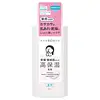
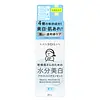
BCL Kansosan Medicinal Highly Moisturizing Emulsion Versus BCL Kansosan Medical Moisture AQ Brightening Essence
This barrier-repair emulsion is formulated around Dipotassium Glycyrrhizate and Centella Asiatica Extract to strengthen the skin barrier.
This brightening essence is formulated around Tranexamic Acid and Arbutin to brighten dull-looking skin and fade the look of dark spots.

What's inside
What's inside
 Key Ingredients
Benefits
Concerns
Ingredients Side-by-side
Heparin
Skin ConditioningDipotassium Glycyrrhizate
Humectant

Water
Skin ConditioningPropanediol
Solvent

Glycerin
Humectant
Α-Olefin Oligomer
Sodium Dilauramidoglutamide Lysine
HumectantCarbomer
Emulsion StabilisingPhenoxyethanol
Preservative
Xanthan Gum
EmulsifyingPotassium Hydroxide
BufferingPentylene Glycol
Skin Conditioning
Pyridoxine Dicaprylate
Skin ConditioningSodium Tocopheryl Phosphate
Antioxidant
Petrolatum
Emollient


Squalane
Emollient
Arginine
Masking
Hydrogenated Lecithin
Emulsifying
Phytosterols
Skin Conditioning
N-Stearoyl-Dihydrosphingosine
Skin ConditioningCentella Asiatica Extract
Cleansing
Octyldodeceth-16
EmulsifyingSodium Hyaluronate
Humectant
Heparin, Dipotassium Glycyrrhizate, Water, Propanediol, Glycerin, Α-Olefin Oligomer, Sodium Dilauramidoglutamide Lysine, Carbomer, Phenoxyethanol, Xanthan Gum, Potassium Hydroxide, Pentylene Glycol, Pyridoxine Dicaprylate, Sodium Tocopheryl Phosphate, Petrolatum, Squalane, Arginine, Hydrogenated Lecithin, Phytosterols, N-Stearoyl-Dihydrosphingosine, Centella Asiatica Extract, Octyldodeceth-16, Sodium Hyaluronate
Tranexamic Acid
Astringent


Arbutin
Antioxidant
Ascorbyl Glucoside
Antioxidant
Dipotassium Glycyrrhizate
Humectant
Dipropylene Glycol
HumectantGlycerin
Humectant
Butylene Glycol
Humectant
Mannitol
Humectant
Methyl Gluceth-10
EmulsifyingXanthan Gum
EmulsifyingTremella Fuciformis Polysaccharide
Emulsion Stabilising
Disodium EDTA
ChelatingPetrolatum
Emollient
Carbomer
Emulsion StabilisingPotassium Hydroxide
BufferingPentylene Glycol
Skin Conditioning
Phenoxyethanol
Preservative
Ethylhexylglycerin
Skin ConditioningSodium Metabisulfite
Antioxidant
Citric Acid
Buffering

Sodium Citrate
BufferingSodium Hyaluronate
Humectant
Hydroxypropyltrimonium Hyaluronate
Taurine
BufferingLysine Hcl
Skin Conditioning
Alanine
Masking
Histidine Hcl
Skin ConditioningArginine
Masking
Serine
Masking
Proline
Skin Conditioning
Glutamic Acid
Humectant
Threonine
Valine
MaskingLeucine
Skin ConditioningGlycine
Buffering
Allantoin
Skin Conditioning
Isoleucine
Skin ConditioningPhenylalanine
Masking
Glycylglycine
Actinidia Polygama Leaf/Stem Extract
Skin ConditioningScutellaria Baicalensis Root Extract
Astringent
Water
Skin ConditioningTranexamic Acid, Arbutin, Ascorbyl Glucoside, Dipotassium Glycyrrhizate, Dipropylene Glycol, Glycerin, Butylene Glycol, Mannitol, Methyl Gluceth-10, Xanthan Gum, Tremella Fuciformis Polysaccharide, Disodium EDTA, Petrolatum, Carbomer, Potassium Hydroxide, Pentylene Glycol, Phenoxyethanol, Ethylhexylglycerin, Sodium Metabisulfite, Citric Acid, Sodium Citrate, Sodium Hyaluronate, Hydroxypropyltrimonium Hyaluronate, Taurine, Lysine Hcl, Alanine, Histidine Hcl, Arginine, Serine, Proline, Glutamic Acid, Threonine, Valine, Leucine, Glycine, Allantoin, Isoleucine, Phenylalanine, Glycylglycine, Actinidia Polygama Leaf/Stem Extract, Scutellaria Baicalensis Root Extract, Water
Ingredients Explained
These ingredients are found in both products.
Ingredients higher up in an ingredient list are typically present in a larger amount.
Arginine is a semi-essential amino acid. This just means our bodies can product a bit on its own, but sometimes needs a little boost from food sources.
It is a part of your skin's natural moisturizing factor (NMF), or the water-loving molecules in your outermost layer of skin (stratum corneum) that keeps everything hydrated and happy.
Here's an interesting thing about Arginine: your skin converts it into urea through the Krebs-Henseleit urea cycle. Urea is one of the most effective humectants your skin naturally produces.
A clinical study showed applying 2.5% arginine hydrochloride to atopic dermatitis skin showed significant urea levels in the stratum corneum and improved moisture in just four weeks.
Arginine is also a precursor to nitric oxide; nitric oxide improves microcirculation and supports wound healing and collagen synthesis.
One study found that an amino acid complex containing Arginine reduced skin irritation, improved hydration, and accelerated skin repair in clinical / in-vivo studies.
Arginine itself is an amino acid and not a fatty acid, oil, or ester. On its own, it's not a direct food source for Malassezia, or the yeast that causes fungal acne.
Learn more about ArginineCarbomer is a synthetic thickening and gelling agent. It's basically the ingredient that gives a lot of serums, gels, creams, and sunscreens their smooth, non-sticky texture.
Although legally permitted at very high levels, carbomers are normally used at concentrations below 1%.
It also needs to be neutralized to actually thicken, and because it is a large molecule, it doesn't really penetrate the skin barrier.
Allergy-wise, the risk is very low. Clinical studies show carbomers have low potential for skin irritation/sensitization even at concentrations up to 100%.
A 2024 UK study patch-tested 1,302 patients and found true allergy to the parent group of carbomer to be rare with no confirmed relevant reactions.
Learn more about CarbomerDipotassium Glycyrrhizate comes from licorice root.
Extracts of licorice have demonstrated to have antibacterial, anti‐inflammatory, antiviral, antioxidant properties.
One component, glabridin, has extra potent antioxidant and soothing properties. It has also been found to block pigmentation from UVB rays in guinea pigs.
Licorice Root also contains a flavonoid. Flavonoids are a natural substance from in plants. Flavonoids also have antioxidant properties.
Another component, glycyrrhizin, has been found to have anti-inflammatory and antimicrobial benefits. This may make licorice root extract effective at treating acne. However, more research is needed to support this.
Liquiritin is one of the flavone compounds found in licorice. It has been found to help lighten skin by preventing tyrosinase from reacting with tyrosine. When the two react, protein is converted to melanin. Melanin is the substance in your body that gives your features pigmentation.
Licorice root is native to Southern Europe and Asia. It has been used in traditional Chinese medicine to help with respiratory issues.
Learn more about Dipotassium GlycyrrhizateGlycerin (or glycerol) is a compound naturally found in your skin. It's a powerhouse humectant that pulls water into the stratum corneum.
Topically, glycerin does several things at once:
Your skin makes glycerin on its own (mostly from sebaceous oil breakdown) and shuttles it to your outermost layer of skin, or your epidermis, via aquaporin-3.
Aquaporin-3 is a transporter that is essential for normal skin hydration, elasticity, and repair. Interestingly, mice lacking in AQP3 have dry and less elastic skin that can be fully corrected with glycerin.
This ingredient is non-irritating, plays well with almost every ingredient, and works across all skin types. Typical use is anywhere between 3-10% but can go up to 79% in some leave-on products.
Just know very high concentrations (>40%) can feel tacky in low humidity.
Glycerin is the name for this ingredient in American English. British English uses Glycerol/Glycerine.
Learn more about GlycerinPentylene Glycol (1,2-pentanediol) is a multitasking little diol with three main roles in a formula:
Research on alkanediols (the family pentylene glycol belongs to) show they work by disrupting microbial cell membranes. This disruption helps the primary preservative system in a product work more effectively at lower doses.
On the safety side, the Cosmetic Ingredient Review Expert Panel has concluded this ingredient to be safe as used in current cosmetic practices + concentrations.
Typical use levels in a formula run about 1-5%.
Learn more about Pentylene GlycolPetrolatum is more commonly known as petroleum jelly. It is created by mixing waxes and mineral oils.
This ingredient is effective at reducing water loss by 99%. This is because it is an occlusive. Occlusives create a hydrophobic barrier on the skin to prevent evaporation. This property makes it great for hydrating dry skin.
Pro tip: Use occlusives, such as this ingredient, on damp skin for the best results.
The quality or origin of petrolatum is only known when disclosed by the brand. Most cosmetic petrolatum has gone through several purification stages.
Another benefit of occlusives is it protects your skin against infection or allergies.
Petrolatum is fungal acne safe. It is a hydrocarbon with no fatty acid structure, so Malassezia cannot metabolize it. In-vitro studies support negligible growth stimulation as well.
It's also worth noting that petrolatum has a comedogenic rating of 0. In updated rabbit ear testing (and in human testing), petrolatum was found to be not comedogenic. This means it didn’t promote comedone formation in standard models.
Learn more about PetrolatumPhenoxyethanol is one of the most widely used preservatives in skincare (and for good reason!).
It has a large spectrum of antimicrobial activity and especially effective bacteria, yeast, and mold while only having a weak effect on your skin's natural microbiome.
On a cellular level, it disrupts the cell membranes of microbes by poking holes that make the cell leak. This shuts down the chemical reactions the microbe needs to make energy so it can no longer survive.
Another perk of this ingredient is that it stays functional across a wide pH range (3-10).
You'll often see it paired with boosters like Ethylhexylglycerin; one study showed that a 1:9 ratio of Ethylhexylglycerin to Phenoxyethanol damages bacterial membranes as effectively as doubling the Phenoxyethanol concentration on its own.
Typical use concentrations range from 0.3-1% depending on the formula, and this ingredient is capped at 1% int the EU.
Safety-wise, the fear mongering does not hold up to the evidence. The EU's Scientific Committee on Consumer Safety and FDA consider it safe as a preservative at up to 1%, including for children of all ages.
Adverse systemic effects only showed up in animal studies at exposures roughly 200x higher than what people get from cosmetics. And despite its very widespread use, this ingredient is a rare sensitizer and allergic reactions are uncommon.
Learn more about PhenoxyethanolPotassium Hydroxide (also known as potash) is a strong alkaline ingredient that does one job: it nudges a product's pH up so the whole formula lands in a skin-friendly range.
It's also the base that turns oils into liquid soap during the soap making process.
An expert safety panel reviewed it and found it safe when formulations are made to be non-irritating.
As a pH adjuster, it's typically used well under 1% though regulatory caps go much higher: 5% in nail cuticle removers and 2-4.5% in hair straighteners.
Though there is some concern for irritation from raw or high pH material, a well-balanced formula will be a non-issue for the vast majority of people.
Learn more about Potassium HydroxideSodium Hyaluronate is the salt form of hyaluronic acid. It is a long sugar chain that is naturally found in your skin, joints, and connective tissue that maintains hydration and elasticity.
In skincare, it works as a humectant. It pulls water from the environment and deeper layers of skin and binds it to the surface.
Interestingly, the size of the molecule affects its behavior:
Some clinical evidence links low molecular weight versions to improved wrinkle depth, elasticity, anti-inflammatory effects, and barrier repair.
Many serums use a blend of both weights so you can get surface hydration plus longer-lasting and deeper effects.
You'll typically see concentrations between 0.1-2% for this ingredient.
Learn more about Sodium HyaluronateWater. It's the most common cosmetic ingredient of all. You'll usually see it at the top of ingredient lists, meaning that it makes up the largest part of the product.
So why is it so popular? Water most often acts as a solvent - this means that it helps dissolve other ingredients into the formulation.
You'll also recognize water as that liquid we all need to stay alive. If you see this, drink a glass of water. Remember to stay hydrated!
Learn more about WaterXanthan gum is used as a stabilizer and thickener within cosmetic products. It helps give products a sticky, thick feeling - preventing them from being too runny.
On the technical side of things, xanthan gum is a polysaccharide - a combination consisting of multiple sugar molecules bonded together.
Xanthan gum is a pretty common and great ingredient. It is a natural, non-toxic, non-irritating ingredient that is also commonly used in food products.
Learn more about Xanthan Gum

