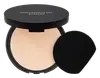
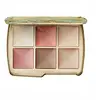
bareMinerals BarePro 24Hr Skin-Perfecting Powder Foundation Versus Hourglass Cosmetics Ambient Lighting Edit Unlocked Palette

What's inside
What's inside
 Key Ingredients
Benefits
Concerns
Ingredients Side-by-side
Synthetic Fluorphlogopite
Mica
Cosmetic ColorantZinc Stearate
Cosmetic ColorantSilica
Abrasive


CI 77220
Cosmetic ColorantDiphenyl Dimethicone/Vinyl Diphenyl Dimethicone/Silsesquioxane Crosspolymer

Caprylic/Capric Triglyceride
Masking


Magnesium Myristate


Dimethicone
Emollient
Sorbitan Sesquiisostearate
Emulsifying

Helianthus Annuus Seed Oil
Emollient
Squalane
Emollient
Butyrospermum Parkii Butter
Skin Conditioning
Ananas Sativus Fruit Extract
Skin ConditioningTheobroma Cacao Seed Butter
Emollient
Glycyrrhiza Glabra Root Juice
Skin ConditioningPaeonia Albiflora Root Extract
Skin ConditioningEthylhexylglycerin
Skin ConditioningSorbic Acid
Preservative
Methicone
Emollient
Aluminum Hydroxide
EmollientTriethoxycaprylylsilane
Hydrogen Dimethicone
Tocopherol
Antioxidant




Tetrahexyldecyl Ascorbate
Antioxidant

Tocopheryl Acetate
Antioxidant
Citric Acid
Buffering
Titanium Dioxide
Cosmetic Colorant

CI 77491
Cosmetic ColorantCI 77492
Cosmetic ColorantCI 77499
Cosmetic ColorantSynthetic Fluorphlogopite, Mica, Zinc Stearate, Silica, CI 77220, Diphenyl Dimethicone/Vinyl Diphenyl Dimethicone/Silsesquioxane Crosspolymer, Caprylic/Capric Triglyceride, Magnesium Myristate, Dimethicone, Sorbitan Sesquiisostearate, Helianthus Annuus Seed Oil, Squalane, Butyrospermum Parkii Butter, Ananas Sativus Fruit Extract, Theobroma Cacao Seed Butter, Glycyrrhiza Glabra Root Juice, Paeonia Albiflora Root Extract, Ethylhexylglycerin, Sorbic Acid, Methicone, Aluminum Hydroxide, Triethoxycaprylylsilane, Hydrogen Dimethicone, Tocopherol, Tetrahexyldecyl Ascorbate, Tocopheryl Acetate, Citric Acid, Titanium Dioxide, CI 77491, CI 77492, CI 77499
Mica
Cosmetic ColorantSynthetic Fluorphlogopite
Boron Nitride
Absorbent
Octyldodecanol
Emollient
Hdi/Trimethylol Hexyllactone Crosspolymer
Polymethyl Methacrylate
Dimethicone
Emollient
Polymethylsilsesquioxane
Trimethylsiloxysilicate
Emollient
Sorbic Acid
Preservative
Sodium Dehydroacetate
Preservative
Silica
Abrasive
Magnesium Aluminum Silicate
Absorbent
Phenoxyethanol
Preservative
Polyacrylamide
C13-14 Isoparaffin
Emollient
Benzoic Acid
Masking
Dehydroacetic Acid
Preservative
Laureth-7
EmulsifyingPotassium Sorbate
Preservative
Ethylhexylglycerin
Skin ConditioningDiamond Powder
Abrasive
Sorbitan Sesquioleate
Emulsifying
CI 15850
Cosmetic ColorantCI 77163
Cosmetic Colorant
Iron Oxides
CI 77491
Cosmetic ColorantCI 77492
Cosmetic ColorantCI 77499
Cosmetic ColorantCI 77891
Cosmetic ColorantMica, Synthetic Fluorphlogopite, Boron Nitride, Octyldodecanol, Hdi/Trimethylol Hexyllactone Crosspolymer, Polymethyl Methacrylate, Dimethicone, Polymethylsilsesquioxane, Trimethylsiloxysilicate, Sorbic Acid, Sodium Dehydroacetate, Silica, Magnesium Aluminum Silicate, Phenoxyethanol, Polyacrylamide, C13-14 Isoparaffin, Benzoic Acid, Dehydroacetic Acid, Laureth-7, Potassium Sorbate, Ethylhexylglycerin, Diamond Powder, Sorbitan Sesquioleate, CI 15850, CI 77163, Iron Oxides, CI 77491, CI 77492, CI 77499, CI 77891
Reviews
Ingredients Explained
These ingredients are found in both products.
Ingredients higher up in an ingredient list are typically present in a larger amount.
Ci 77491 is also hydrated iron III oxide. It's sole purpose is to give a red/pink hue to products.
Iron III oxides are classified as inorganic chemicals for coloring.
Synthetically created Ci 77491 is considered safer than those naturally found. This is because the synthetically created version may contain less impurities. Iron oxides are generally non-toxic and non-allergenic.
Learn more about CI 77491CI 77492 is also hydrated iron III oxide. It's sole purpose is to give a yellow hue to products.
Iron III oxides are classified as inorganic chemicals for coloring.
Synthetically created CI 77492 is considered safer than those naturally found. This is because the synthetically created version may contain less impurities. Iron oxides are generally non-toxic and non-allergenic.
Learn more about CI 77492Ci 77499 is also hydrated iron III oxide. It is created from mixing red and black iron oxides. This helps give shades of darkness to a product.
Iron III oxides are classified as inorganic chemicals for coloring.
Dimethicone is a type of synthetic silicone created from natural materials such as quartz. It is also known as polydimethylsiloxane.
What it does:
Dimethicone comes in different viscosities:
Depending on the viscosity, dimethicone has different properties.
Ingredients lists don't always show which type is used, so we recommend reaching out to the brand if you have questions about the viscosity.
This ingredient is unlikely to cause irritation because it does not get absorbed into skin. However, people with silicone allergies should be careful about using this ingredient.
Note: Dimethicone may contribute to pilling. This is because it is not oil or water soluble, so pilling may occur when layered with products. When mixed with heavy oils in a formula, the outcome is also quite greasy.
Learn more about DimethiconeEthylhexylglycerin is created from glycerin. It is a multitasker ingredient that:
The CIR Expert Panel found minimal skin absorption or sensitization of any kind in a safety assessment. Though this ingredient is considered well-tolerated, a small number of cases of allergic dermatitis have been published since 2002. Just be sure to patch test if you are unsure.
Industry-reported use ranges from 8% in rinse-off products and 2% in leave-on formulations.
Learn more about EthylhexylglycerinMica is a naturally occurring mineral used to add shimmer and color in cosmetics. It can also help improve the texture of a product or give it an opaque, white/silver color.
Serecite is the name for very fine but ragged grains of mica.
This ingredient is often coated with metal oxides like titanium dioxide. Trace amounts of heavy metals may be found in mica, but these metals are not harmful in our personal products.
Mica has been used since prehistoric times throughout the world. Ancient Egyptian, Indian, Greek, Roman, Aztec, and Chinese civilizations have used mica.
Learn more about MicaSilica, also known as silicon dioxide, is a naturally occurring mineral. It is used as a fine, spherical, and porous powder in cosmetics.
Though it has exfoliant properties, the function of silica varies depending on the product.
The unique structure of silica enhances the spreadability and adds smoothness, making it a great texture enhancer.
It is also used as an active carrier, emulsifier, and mattifier due to its ability to absorb excess oil.
In some products, tiny microneedles called spicules are made from silica or hydrolyzed sponge. When you rub them in, they lightly polish away dead skin layers and enhance the penetration of active ingredients.
Learn more about SilicaSorbic Acid is a preservative that stops your product from spoiling by stopping microbes from growing.
As a preservative, it's kind of a specialist: it has a broad spectrum of activity against yeast and molds but is weaker against bacteria. That's why it's often paired with another preservative to cover that gap.
This ingredient is also pretty picky about pH; it performs best at pH 6.5 or below.
At the right pH level, sorbic acid is "active" and can slip through the outer wall of a microbe. Once inside, it turns the cell's interior more acidic to shut down the microbe from the inside.
The EU caps this ingredient at 0.6% while the CIR has concluded it's safe at concentrations up to 1%. It's most often used around 0.05-0.2% in cosmetics.
Though this ingredient is considered low-sensitizing and well-tolerated, a very small number of people may have a contact allergy to it. Be sure to patch test if you have a history of allergies towards preservatives.
Learn more about Sorbic AcidSynthetic Fluorphlogopite is the synthethic version of mica. It consists of fluorine, aluminum and silicate.
Synthetic Fluorphlogopite is used to add volume to products.
It is considered non-irritating on the skin.
Learn more about Synthetic Fluorphlogopite

