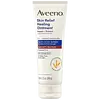
This barrier-repair moisturizer is formulated around Avena Sativa Kernel Flour and Avena Sativa Kernel Oil to strengthen the skin barrier and hydrate skin.
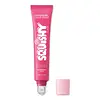
This barrier-repair lip moisturizer is formulated around Ricinus Communis Seed Oil and Squalane to strengthen the lip barrier and hydrate lips.

What's inside
What's inside
 Key Ingredients
Benefits
Concerns
Ingredients Side-by-side
Glycerin 40%
Humectant


Water
Skin ConditioningCetearyl Alcohol
Emollient






Butyrospermum Parkii Butter
Skin Conditioning
Cetyl Alcohol
Emollient
Caprylic/Capric Triglyceride
Masking
Sodium Cetearyl Sulfate
Cleansing
Avena Sativa Kernel Flour
Abrasive

Avena Sativa Kernel Oil
Skin Conditioning


Avena Sativa Kernel Extract
Abrasive
Dimethicone
Emollient
Caprylyl Glycol
Emollient
Ethylhexylglycerin
Skin ConditioningPalmitic Acid
Emollient
Stearic Acid
Cleansing
Citric Acid
Buffering

Glycerin 40%, Water, Cetearyl Alcohol, Butyrospermum Parkii Butter, Cetyl Alcohol, Caprylic/Capric Triglyceride, Sodium Cetearyl Sulfate, Avena Sativa Kernel Flour, Avena Sativa Kernel Oil, Avena Sativa Kernel Extract, Dimethicone, Caprylyl Glycol, Ethylhexylglycerin, Palmitic Acid, Stearic Acid, Citric Acid
Polybutene
Hydrogenated Polyisobutene
EmollientRicinus Communis Seed Oil
Masking
Tridecyl Trimellitate
EmollientCoco-Caprylate/Caprate
Emollient
Squalane
Emollient
Di-PPG-3 Myristyl Ether Adipate
EmollientMica
Cosmetic ColorantSynthetic Wax
Abrasive
Butyrospermum Parkii Butter
Skin Conditioning
Parfum
Masking

Silica
Abrasive

Linoleic Acid
Cleansing
Sodium Hyaluronate
Humectant
Tocopheryl Acetate
Antioxidant
Oleic Acid
Emollient
Hydrogenated Castor Oil
Emollient
Zingiber Officinale Root Extract
Masking
Palmitic Acid
Emollient
Stearic Acid
Cleansing
Vanillin
Masking
Tocopherol
Antioxidant
Linolenic Acid
Cleansing
CI 15850
Cosmetic ColorantCI 19140
Cosmetic ColorantPolybutene, Hydrogenated Polyisobutene, Ricinus Communis Seed Oil, Tridecyl Trimellitate, Coco-Caprylate/Caprate, Squalane, Di-PPG-3 Myristyl Ether Adipate, Mica, Synthetic Wax, Butyrospermum Parkii Butter, Parfum, Silica, Linoleic Acid, Sodium Hyaluronate, Tocopheryl Acetate, Oleic Acid, Hydrogenated Castor Oil, Zingiber Officinale Root Extract, Palmitic Acid, Stearic Acid, Vanillin, Tocopherol, Linolenic Acid, CI 15850, CI 19140
Reviews
Ingredients Explained
These ingredients are found in both products.
Ingredients higher up in an ingredient list are typically present in a larger amount.
This ingredient is also known as shea butter. It is a plant-derived extract from the nuts of the Africa shea tree and one of the most well-studied emollients.
Because it has a high concentration of fatty acids (primarily oleic, stearic, and linoleic) it is able to form a protective barrier on the skin's surface. This helps seal in moisture and prevents transepidermal water loss (TEWL).
In vitro research found an increase in skin hydration by 58% and a decrease in TEWL by 37.8% after 24 hours of applying this ingredient (pretty impressive for a single ingredient!).
Besides hydration, shea butter also contains triterpenes that have anti-inflammatory potential. In particule, lupeol cinnamate has shown the highest anti-inflammatory activity in vivo.
Shea butter also contains vitamins A and E which may contribute to antioxidant activity.
While Shea Butter has an SPF rating of about 3-4, it is not a sunscreen replacement.
This ingredient may not be fungal acne safe because its fatty acids fall within the C11-C24 range that the Malassezia yeast can metabolize.
This ingredient shows up on a lot of "pore-clogging" lists but there's no real evidence behind that. It doesn't even have a comedogenic rating from an actual study; the numbers you'll find online come from blogs citing other blogs.
Ratings for other ingredients mostly come from a 1980s rabbit ear test. This test doesn't translate well to human skin or to real products because the ingredient sits at a much lower percentage.
Some people still find it breaks them out. So if that's you, definitely trust your skin. Just know this one's based on experience and not evidence.
Learn more about Butyrospermum Parkii ButterPalmitic Acid is a fatty acid naturally found in our skin and in many plant and animal sources.
In cosmetics, it is usually derived from palm oil. It serves many purposes in skincare, acting as a cleanser, emollient, and emulsifier.
Interestingly, topically applied Palmitic Acid can be elongated into longer chain fatty acids and ceramides. A 2019 study found low levels of Palmitic Acid lead to slower development of cells, suggesting it plays a role in keeping your skin's renewal process on track.
The CIR (Cosmetic Ingredient Review) panel determined it safe as used in cosmetics at concentrations up to 13%. It is non-irritating and non-sensitizing in clinical studies.
The culprit behind fungal acne, the Malassezia yeast, feeds on fatty acids with carbon chain lengths between C11-C24. Palmitic Acid, at C16, falls right into that sweet spot.
In vitro studies have shown that Palmitic Acid is one of the fatty acids that induce rapid Malassezia growth in lab settings.
It's worth noting that what feeds yeast in a lab doesn't necessarily feed it on your face since formulation and your skin's chemistry play a bigger role.
This ingredient does have a comedogenic rating of 2, but this doesn't mean a formula with this ingredient will clog pores.
Human testing has proved that any finished product with a comedogenic ingredient won't automatically make you break out; it really comes down to concentration, formula, and your skin.
Learn more about Palmitic AcidStearic Acid is a fatty acid that is already found in your skin. It's one of the free fatty acids that works alongside ceramides and cholesterols to maintain your barrier.
In cosmetics, it is a multitasker:
Safety-wise, the CIR Expert Panel has concluded it to be safe in cosmetics when formulated to be non-irritating and non-sensitizing.
Free stearic acid is a C18 fatty acid that the Malassezia yeast can substrate, so this ingredient may not be fungal acne safe.
This ingredient does have a comedogenic rating of 2-3, but this doesn't mean a formula with this ingredient will clog pores.
Human testing has proved that any finished product with this ingredient won't automatically make you break out; it really comes down to concentration, formula, and your skin.
Learn more about Stearic Acid

