
What's inside
What's inside
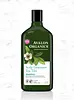 Key Ingredients
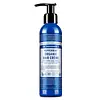
Benefits
Concerns
Ingredients Side-by-side
Aloe Barbadensis Leaf Juice
Skin Conditioning


Water
Skin ConditioningSodium Coco-Sulfate
Cleansing

Sodium Laurylglucosides Hydroxypropylsulfonate
CleansingDecyl Glucoside
Cleansing
Citrus Aurantium Dulcis Peel Oil
Masking

Eucalyptus Globulus Leaf Oil
Perfuming



Melaleuca Alternifolia Leaf Oil
Antioxidant



Mentha Arvensis Leaf Oil
Masking
Mentha Piperita Oil
Masking
Rosmarinus Officinalis Leaf Oil
Masking
Avena Sativa Bran
Abrasive
Calendula Officinalis Flower Extract
Masking
Chamomilla Recutita Flower Extract
Masking
Chenopodium Quinoa Seed
Abrasive
Tocopheryl Acetate
Antioxidant

Babassu Oil Polyglyceryl-4 Esters
Surfactant
Beta-Glucan
Skin Conditioning
Bisabolol
Antioxidant
Citric Acid
Buffering
Coco-Glucoside
Cleansing
Glyceryl Oleate
Emollient
Inulin
Skin Conditioning
Sodium Chloride
MaskingSodium Phytate
ChelatingSodium Sulfate
Alcohol
Antimicrobial
Benzyl Alcohol
Perfuming
Potassium Sorbate
Preservative
Sodium Benzoate
Masking
Limonene
Perfuming
Aloe Barbadensis Leaf Juice, Water, Sodium Coco-Sulfate, Sodium Laurylglucosides Hydroxypropylsulfonate, Decyl Glucoside, Citrus Aurantium Dulcis Peel Oil, Eucalyptus Globulus Leaf Oil, Melaleuca Alternifolia Leaf Oil, Mentha Arvensis Leaf Oil, Mentha Piperita Oil, Rosmarinus Officinalis Leaf Oil, Avena Sativa Bran, Calendula Officinalis Flower Extract, Chamomilla Recutita Flower Extract, Chenopodium Quinoa Seed, Tocopheryl Acetate, Babassu Oil Polyglyceryl-4 Esters, Beta-Glucan, Bisabolol, Citric Acid, Coco-Glucoside, Glyceryl Oleate, Inulin, Sodium Chloride, Sodium Phytate, Sodium Sulfate, Alcohol, Benzyl Alcohol, Potassium Sorbate, Sodium Benzoate, Limonene




Ingredients Explained
These ingredients are found in both products.
Ingredients higher up in an ingredient list are typically present in a larger amount.
This essential oil is steam-distilled from peppermint leaves, also known as peppermint oil. It's mainly used for scent in skincare but also provides that signature "cooling" sensation.
Peppermint oil is a "feels amazing" ingredient until it doesn't.
At higher doses or for those with sensitive skin, methol-type cooling can quickly turn into burning/irritation. It can also trigger irritant dermatitis or even allergic contact dermatitis. In a large patch-test dataset, peppermint oil had a low but positive rate for this.
In cosmetics, Cosmetic Safety Reviews (CIR) concludes that peppermint oil is safe to use when formulated to be non-sensitizing with some restrictions; for instance, pulegone, a naturally occurring component of peppermint oil, should not exceed 1%.
Since peppermint oil contains fragrance allergens such as limonene, linalool, and menthol, it can be sensitizing for those with rosacea, eczema, a broken skin barrier, or just sensitive skin in general.
In Japan, this ingredient is known as Hakka Yu.
Learn more about Mentha Piperita OilWater. It's the most common cosmetic ingredient of all. You'll usually see it at the top of ingredient lists, meaning that it makes up the largest part of the product.
So why is it so popular? Water most often acts as a solvent - this means that it helps dissolve other ingredients into the formulation.
You'll also recognize water as that liquid we all need to stay alive. If you see this, drink a glass of water. Remember to stay hydrated!
Learn more about Water

