

What's inside
What's inside
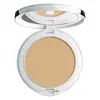 Key Ingredients
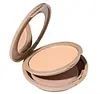
Benefits
Concerns
Ingredients Side-by-side
C12-15 Alkyl Benzoate
AntimicrobialCaprylic/Capric Triglyceride
Masking


Dimethicone/Vinyl Dimethicone Crosspolymer
Skin Conditioning
Polymethyl Methacrylate

Polyglyceryl-2 Diisostearate
Emulsifying

Mica
Cosmetic ColorantOzokerite
Emulsion StabilisingPolyethylene
Abrasive

Polymethylsilsesquioxane
Dipentaerythrityl Hexahydroxystearate
EmulsifyingDisteardimonium Hectorite
StabilisingOctyldodecanol
Emollient
Triethoxycaprylylsilane
Propylene Carbonate
SolventAlcohol
Antimicrobial


Pentaerythrityl Tetra-Di-T-Butyl Hydroxyhydrocinnamate
Antioxidant
Laureth-4
Emulsifying
Water
Skin ConditioningDicalcium Phosphate
Abrasive
CI 77491
Cosmetic ColorantCI 77492
Cosmetic ColorantCI 77499
Cosmetic ColorantCI 77891
Cosmetic ColorantC12-15 Alkyl Benzoate, Caprylic/Capric Triglyceride, Dimethicone/Vinyl Dimethicone Crosspolymer, Polymethyl Methacrylate, Polyglyceryl-2 Diisostearate, Mica, Ozokerite, Polyethylene, Polymethylsilsesquioxane, Dipentaerythrityl Hexahydroxystearate, Disteardimonium Hectorite, Octyldodecanol, Triethoxycaprylylsilane, Propylene Carbonate, Alcohol, Pentaerythrityl Tetra-Di-T-Butyl Hydroxyhydrocinnamate, Laureth-4, Water, Dicalcium Phosphate, CI 77491, CI 77492, CI 77499, CI 77891
Octyldodecanol
Emollient
Dimethicone
Emollient
Ozokerite
Emulsion StabilisingC12-15 Alkyl Benzoate
AntimicrobialHydrogenated Polyisobutene
EmollientSynthetic Wax
Abrasive
Microcrystalline Wax
Emulsion StabilisingBoron Nitride
Absorbent
Diisostearyl Malate
EmollientMagnesium Oxide
AbsorbentDisteardimonium Hectorite
StabilisingMica
Cosmetic ColorantAluminum Hydroxide
EmollientPolyglyceryl-2 Tetraisostearate
EmollientPropylene Carbonate
SolventPentaerythrityl Tetra-Di-T-Butyl Hydroxyhydrocinnamate
Antioxidant
Tocopheryl Acetate
Antioxidant

Simmondsia Chinensis Seed Oil
Emollient
Magnesium Hydroxide
AbsorbentTocopherol
Antioxidant


CI 77891
Cosmetic ColorantCI 77163
Cosmetic Colorant
CI 77492
Cosmetic ColorantCI 77491
Cosmetic ColorantCI 77499
Cosmetic ColorantOctyldodecanol, Dimethicone, Ozokerite, C12-15 Alkyl Benzoate, Hydrogenated Polyisobutene, Synthetic Wax, Microcrystalline Wax, Boron Nitride, Diisostearyl Malate, Magnesium Oxide, Disteardimonium Hectorite, Mica, Aluminum Hydroxide, Polyglyceryl-2 Tetraisostearate, Propylene Carbonate, Pentaerythrityl Tetra-Di-T-Butyl Hydroxyhydrocinnamate, Tocopheryl Acetate, Simmondsia Chinensis Seed Oil, Magnesium Hydroxide, Tocopherol, CI 77891, CI 77163, CI 77492, CI 77491, CI 77499
Ingredients Explained
These ingredients are found in both products.
Ingredients higher up in an ingredient list are typically present in a larger amount.
C12-15 Alkyl Benzoate is a lightweight emollient made by combinig benzoic acid with fatty alcohols that are 12-15 carbons long.
In cosmetics, it plays several roles:
The Cosmetic Review Expert Panel has concluded the alkyl benzoate group to be safe as used in cosmetics; it wasn't found to be a skin irritant and unlikely to be absorbed due to its low water solubility.
This report recorded almost 1000 reported uses with concentrations up to 59% in leave-on products but your cosmetics will typically use 0.5-15% depending on the product.
It's often called a "SPF booster": this is because it keeps UV filters properly dissolved and evenly distributed to support a sunscreen's performance. It doesn't actually raise SPF on its own.
Overall, this ingredient is well tolerated.
This ingredient is fungal acne safe because it is an ester of benzoic acid.
Think of this ingredient as two parts stuck together: an oily part and an acid part. Malassezia only gets a meal when it can snip off a fatty acid to eat. With C12-15 Alkyl Benzoate, the acid part is benzoic acid, which isn't a fatty acid and which the yeast can't use as food.
Benzoic acid is actually used as a preservative to stop yeast from growing.
The oily part is a blend of C12-15 fatty alcohols but fatty alcohols in this size range can support only a little Malassezia growth (mostly for one species of Malassezia as well).
In the ingredient, those alcohols stay locked inside the molecule. The yeast can only reach them by snipping the benzoate bond, and that type of bond is harder for it to cut than a normal fatty bond.
So not much gets released. And whatever does get snipped comes packaged with benzoic acid, which discourages yeast growth.
Learn more about C12-15 Alkyl BenzoateCi 77491 is also hydrated iron III oxide. It's sole purpose is to give a red/pink hue to products.
Iron III oxides are classified as inorganic chemicals for coloring.
Synthetically created Ci 77491 is considered safer than those naturally found. This is because the synthetically created version may contain less impurities. Iron oxides are generally non-toxic and non-allergenic.
Learn more about CI 77491CI 77492 is also hydrated iron III oxide. It's sole purpose is to give a yellow hue to products.
Iron III oxides are classified as inorganic chemicals for coloring.
Synthetically created CI 77492 is considered safer than those naturally found. This is because the synthetically created version may contain less impurities. Iron oxides are generally non-toxic and non-allergenic.
Learn more about CI 77492Ci 77499 is also hydrated iron III oxide. It is created from mixing red and black iron oxides. This helps give shades of darkness to a product.
Iron III oxides are classified as inorganic chemicals for coloring.
Ci 77891 is a white pigment from Titanium dioxide. It is naturally found in minerals such as rutile and ilmenite.
It's main function is to add a white color to cosmetics. It can also be mixed with other colors to create different shades.
Ci 77891 is commonly found in sunscreens due to its ability to block UV rays.
Learn more about CI 77891Disteardimonium Hectorite comes from the clay mineral named hectorite. It is used to add thickness to a product.
It can also help stabilize a product by helping to disperse other ingredients.
Hectorite is a rare, white clay mineral.
Learn more about Disteardimonium HectoriteMica is a naturally occurring mineral used to add shimmer and color in cosmetics. It can also help improve the texture of a product or give it an opaque, white/silver color.
Serecite is the name for very fine but ragged grains of mica.
This ingredient is often coated with metal oxides like titanium dioxide. Trace amounts of heavy metals may be found in mica, but these metals are not harmful in our personal products.
Mica has been used since prehistoric times throughout the world. Ancient Egyptian, Indian, Greek, Roman, Aztec, and Chinese civilizations have used mica.
Learn more about MicaOctyldodecanol is a fatty alcohol sourced from plant oils like coconut or palm (or made synthetically).
It is:
You'll likely see this in many BHA products because this is the go-to solvent for salicylic acid.
This ingredient is typically used at levels between 2-20%.
Regarding fungal acne:
In 2019, this ingredient was tested against multiple Malassezia species (the yeast that causes fungal acne) and showed no growth.
Ozokerite is a naturally occuring mineral wax. In cosmetics, ozokerite is used as a texture enhancer.
Ceresin wax is derived from this ingredient.
The melting point of ozokerite is 58-100 C.
Ozokerite is found all over the world including Scotland, the US, and India.
Learn more about OzokeritePentaerythrityl Tetra-Di-T-Butyl Hydroxyhydrocinnamate (long name, huh?) is a synthetic antioxidant.
It is used to help stabilize other antioxidants or prevent the color from changing in a product.
As an antioxidant, it helps fight free-radical molecules. Free-radical molecules are capable of damaging our cells and other genetic material. Thus, antioxidants may reduce the signs of aging.
This ingredient is oil-soluble.
Learn more about Pentaerythrityl Tetra-Di-T-Butyl HydroxyhydrocinnamateThis ingredient is a solvent. It helps dissolve active ingredients and alter the texture of products.
Propylene Carbonate is commonly used in makeup and with clay, such as montmorillonite or bentonite.
Studies show this ingredient to be safe for cosmetics. When it is undiluted, it can cause skin irritation. (It is always diluted in skincare and makeup). This ingredient is water-soluble.
Propylene Carbonate is created from propylene glycol and carbonic acid.
Learn more about Propylene Carbonate

