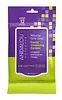
Andalou Naturals Age Defying Micellar One Step Facial Cleansing Wipes Versus Beekman 1802 Facial Cleansing Wipes
This cleansing wipe is made to dissolve makeup, sunscreen, and daily buildup.
This cleansing wipe is made to dissolve makeup, sunscreen, and daily buildup.

What's inside
What's inside
 Key Ingredients
Benefits
Concerns
Ingredients Side-by-side
Aloe Barbadensis Leaf Juice
Skin Conditioning


Water
Skin ConditioningPolyglyceryl-3 Polyricinoleate
Emulsifying

Malus Domestica Fruit Cell Culture Extract
Skin ConditioningVitis Vinifera Fruit Cell Extract
Skin ConditioningVaccinium Angustifolium Fruit Extract
Skin Protecting
Vaccinium Macrocarpon Fruit Extract
AstringentRubus Fruticosus Fruit Extract
AstringentRubus Idaeus Fruit Extract
AstringentFragaria Vesca Fruit Extract
AstringentSambucus Nigra Fruit Extract
AstringentLycium Barbarum Fruit Extract
Astringent
Euterpe Oleracea Fruit Extract
Ethyl Macadamiate
Skin Conditioning
Tocopherol
Antioxidant





Resveratrol
Antioxidant
Ubiquinone
Antioxidant
Sucrose Cocoate
Emulsifying


Disodium Cocoamphodiacetate
CleansingPhytic Acid
Chelating
Malic Acid
Buffering


Lactic Acid
Buffering


Xanthan Gum
EmulsifyingPotassium Hydroxide
BufferingHexylene Glycol
EmulsifyingCaprylyl Glycol
Emollient
Ethylhexylglycerin
Skin ConditioningUndecylenoyl Glycine
CleansingCapryloyl Glycine
CleansingPhenoxyethanol
Preservative
Hibiscus Sabdariffa Flower Extract
Skin ConditioningCamellia Sinensis Leaf Extract
Antimicrobial
Ethyl Apricot Kernelate
EmollientVanilla Planifolia Fruit Extract
Skin Conditioning
Citrus Aurantium Dulcis Peel Oil
Masking

Aloe Barbadensis Leaf Juice, Water, Polyglyceryl-3 Polyricinoleate, Malus Domestica Fruit Cell Culture Extract, Vitis Vinifera Fruit Cell Extract, Vaccinium Angustifolium Fruit Extract, Vaccinium Macrocarpon Fruit Extract, Rubus Fruticosus Fruit Extract, Rubus Idaeus Fruit Extract, Fragaria Vesca Fruit Extract, Sambucus Nigra Fruit Extract, Lycium Barbarum Fruit Extract, Euterpe Oleracea Fruit Extract, Ethyl Macadamiate, Tocopherol, Resveratrol, Ubiquinone, Sucrose Cocoate, Disodium Cocoamphodiacetate, Phytic Acid, Malic Acid, Lactic Acid, Xanthan Gum, Potassium Hydroxide, Hexylene Glycol, Caprylyl Glycol, Ethylhexylglycerin, Undecylenoyl Glycine, Capryloyl Glycine, Phenoxyethanol, Hibiscus Sabdariffa Flower Extract, Camellia Sinensis Leaf Extract, Ethyl Apricot Kernelate, Vanilla Planifolia Fruit Extract, Citrus Aurantium Dulcis Peel Oil
Water
Skin ConditioningDecyl Glucoside
Cleansing
Aloe Barbadensis Leaf Extract
Emollient
Caprae Lac
Skin ConditioningCarica Papaya Fruit Extract
Skin ConditioningAnanas Sativus Fruit Extract
Skin ConditioningAlthaea Officinalis Callus Culture Extract
Antioxidant
Avena Sativa Kernel Extract
Abrasive
Cucumis Sativus Fruit Extract
Emollient
Tocopheryl Acetate
Antioxidant
Ubiquinone
Antioxidant
Citric Acid
Buffering
Polysorbate 20
Emulsifying
EDTA
ChelatingDisodium EDTA
ChelatingPhenoxyethanol
Preservative
Potassium Sorbate
Preservative
Sodium Benzoate
Masking
Water, Decyl Glucoside, Aloe Barbadensis Leaf Extract, Caprae Lac, Carica Papaya Fruit Extract, Ananas Sativus Fruit Extract, Althaea Officinalis Callus Culture Extract, Avena Sativa Kernel Extract, Cucumis Sativus Fruit Extract, Tocopheryl Acetate, Ubiquinone, Citric Acid, Polysorbate 20, EDTA, Disodium EDTA, Phenoxyethanol, Potassium Sorbate, Sodium Benzoate
Alternatives
Ingredients Explained
These ingredients are found in both products.
Ingredients higher up in an ingredient list are typically present in a larger amount.
Phenoxyethanol is one of the most widely used preservatives in skincare (and for good reason!).
It has a large spectrum of antimicrobial activity and especially effective bacteria, yeast, and mold while only having a weak effect on your skin's natural microbiome.
On a cellular level, it disrupts the cell membranes of microbes by poking holes that make the cell leak. This shuts down the chemical reactions the microbe needs to make energy so it can no longer survive.
Another perk of this ingredient is that it stays functional across a wide pH range (3-10).
You'll often see it paired with boosters like Ethylhexylglycerin; one study showed that a 1:9 ratio of Ethylhexylglycerin to Phenoxyethanol damages bacterial membranes as effectively as doubling the Phenoxyethanol concentration on its own.
Typical use concentrations range from 0.3-1% depending on the formula, and this ingredient is capped at 1% int the EU.
Safety-wise, the fear mongering does not hold up to the evidence. The EU's Scientific Committee on Consumer Safety and FDA consider it safe as a preservative at up to 1%, including for children of all ages.
Adverse systemic effects only showed up in animal studies at exposures roughly 200x higher than what people get from cosmetics. And despite its very widespread use, this ingredient is a rare sensitizer and allergic reactions are uncommon.
Learn more about PhenoxyethanolUbiquinone (Coenzyme Q10) is a molecule already found in our bodies. It is a potent antioxidant and skin-soothing ingredient.
Aging and environmental exposure diminishes our skin's natural ubiquinone levels. This is much like our natural collagen and elastin.
The good news is: studies show applying this ingredient topically replenishes ubiquinone levels in our skin. This also comes with a ton of skin benefits. These benefits include:
Ubiquinone is considered a large molecule and cannot be absorbed into the lower layers of skin. This is why it is believed to be such an effective antioxidant: it protects our skin in the upper layers and prevents damage in the deeper layers.
When used in sunscreen, ubiquinone is shown to increase ingredient stability, increase SPF factor, and add to infrared protection.
Fun fact: ubiquinone is fat-soluble.
Learn more about UbiquinoneWater. It's the most common cosmetic ingredient of all. You'll usually see it at the top of ingredient lists, meaning that it makes up the largest part of the product.
So why is it so popular? Water most often acts as a solvent - this means that it helps dissolve other ingredients into the formulation.
You'll also recognize water as that liquid we all need to stay alive. If you see this, drink a glass of water. Remember to stay hydrated!
Learn more about Water

