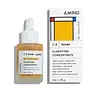
This oil-control serum is formulated around Camellia Sinensis Leaf Extract and Niacinamide to balance excess oil and calm redness.
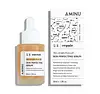
This brightening serum is formulated around Niacinamide and Potassium Azeloyl Diglycinate to fade the look of dark spots and calm redness.

What's inside
What's inside
 Key Ingredients
Benefits
Concerns
Ingredients Side-by-side
Citrus Limon Peel Water
Skin ConditioningNelumbo Nucifera Leaf Extract
Skin ConditioningCamellia Sinensis Leaf Extract
Antimicrobial







Methylpropanediol
SolventPsidium Guajava Leaf Extract
AstringentAngelica Archangelica Extract
Skin ConditioningButylene Glycol
Humectant
Water
Skin ConditioningCarum Carvi Seed Oil
Masking



Nigella Sativa Seed Oil
Emollient
Picea Mariana Branch/Leaf Oil
Masking
Potassium Lauroyl Wheat Amino Acids
CleansingPalm Glycerides
Emollient

Capryloyl Glycine
CleansingSalix Alba Bark Extract
Astringent
Magnolia Officinalis Bark Extract
Antimicrobial
Niacinamide
Smoothing



Potassium Azeloyl Diglycinate
Skin Conditioning
Pentylene Glycol
Skin Conditioning
Achillea Millefolium Extract
CleansingCinnamomum Zeylanicum Bark Extract
Antimicrobial
Zingiber Officinale Root Extract
Masking
Caprylyl Glycol
Emollient
Phenylpropanol
Masking
Beta Vulgaris Root Extract
Skin ConditioningSodium Benzoate
Masking
Potassium Sorbate
Preservative
Trisodium Ethylenediamine Disuccinate
ChelatingXanthan Gum
EmulsifyingHydroxypropyl Starch Phosphate
Hydrolyzed Sodium Hyaluronate
Skin Conditioning
CI 77492
Cosmetic ColorantCitrus Limon Peel Water, Nelumbo Nucifera Leaf Extract, Camellia Sinensis Leaf Extract, Methylpropanediol, Psidium Guajava Leaf Extract, Angelica Archangelica Extract, Butylene Glycol, Water, Carum Carvi Seed Oil, Nigella Sativa Seed Oil, Picea Mariana Branch/Leaf Oil, Potassium Lauroyl Wheat Amino Acids, Palm Glycerides, Capryloyl Glycine, Salix Alba Bark Extract, Magnolia Officinalis Bark Extract, Niacinamide, Potassium Azeloyl Diglycinate, Pentylene Glycol, Achillea Millefolium Extract, Cinnamomum Zeylanicum Bark Extract, Zingiber Officinale Root Extract, Caprylyl Glycol, Phenylpropanol, Beta Vulgaris Root Extract, Sodium Benzoate, Potassium Sorbate, Trisodium Ethylenediamine Disuccinate, Xanthan Gum, Hydroxypropyl Starch Phosphate, Hydrolyzed Sodium Hyaluronate, CI 77492
Pinus Pinaster Bark Water
EmollientNiacinamide
Smoothing
Potassium Azeloyl Diglycinate
Skin Conditioning
Methylpropanediol
SolventAzelamidopropyl Dimethyl Amine
AntimicrobialAchillea Millefolium Extract
CleansingPentylene Glycol
Skin Conditioning
Xanthan Gum
EmulsifyingCitrus Limon Fruit Extract
Masking
Glycerin
Humectant
Glycyrrhiza Glabra Root Extract
Bleaching
Caprylyl Glycol
Emollient
Ferula Assa Foetida Gum Extract
Perfuming
Picea Mariana Leaf Oil
Masking
Rosa Rugosa Flower Extract
Skin ConditioningMorus Alba Leaf Extract
Skin ConditioningVitis Vinifera Seed Extract
Antimicrobial
Arctostaphylos Uva-Ursi Leaf Extract
Skin Conditioning
Butylene Glycol
Humectant
Cinnamomum Cassia Extract
Skin ConditioningZingiber Officinale Root Extract
Masking
Phenylpropanol
Masking
Beta Vulgaris Root Extract
Skin ConditioningSodium Benzoate
Masking
Potassium Sorbate
Preservative
Trisodium Ethylenediamine Disuccinate
ChelatingHydroxypropyl Starch Phosphate
Hyaluronic Acid
Humectant
Citric Acid
Buffering
Pinus Pinaster Bark Water, Niacinamide, Potassium Azeloyl Diglycinate, Methylpropanediol, Azelamidopropyl Dimethyl Amine, Achillea Millefolium Extract, Pentylene Glycol, Xanthan Gum, Citrus Limon Fruit Extract, Glycerin, Glycyrrhiza Glabra Root Extract, Caprylyl Glycol, Ferula Assa Foetida Gum Extract, Picea Mariana Leaf Oil, Rosa Rugosa Flower Extract, Morus Alba Leaf Extract, Vitis Vinifera Seed Extract, Arctostaphylos Uva-Ursi Leaf Extract, Butylene Glycol, Cinnamomum Cassia Extract, Zingiber Officinale Root Extract, Phenylpropanol, Beta Vulgaris Root Extract, Sodium Benzoate, Potassium Sorbate, Trisodium Ethylenediamine Disuccinate, Hydroxypropyl Starch Phosphate, Hyaluronic Acid, Citric Acid
Ingredients Explained
These ingredients are found in both products.
Ingredients higher up in an ingredient list are typically present in a larger amount.
Achillea Millefolium Extract comes from the yarrow plant. Yarrow is rich in antioxidants and fatty acids.
Beta Vulgaris Root Extract comes from the beet root plant. Beet Root has high Vitamin C content.
Beet roots also contain antioxidants. Antioxidants help fight free-radicals. Free-radicals are molecules that may damage your skin cells, such as pollution.
Beet root has many benefits when eaten. More research is needed on applying beetroot in skincare.
Beet Root is used to add pink/red color.
Learn more about Beta Vulgaris Root ExtractButylene Glycol (or BG) is used within cosmetic products for a few different reasons:
Overall, Butylene Glycol is a safe and well-rounded ingredient that works well with other ingredients.
Though this ingredient works well with most skin types, some people with sensitive skin may experience a reaction such as allergic rashes, closed comedones, or itchiness.
Learn more about Butylene GlycolCaprylyl Glycol is a humectant, skin conditioner, emollient, and preservative booster derived from either caprylic acid or synthetically created.
Typical use levels vary from 0.3-1% as a preservative booster and go up to 2% to condition skin.
Because it is not a free-fatty acid, this ingredient is fungal acne safe (there's nothing for Malassezia to feed on).
Learn more about Caprylyl GlycolHydroxypropyl Starch Phosphate is a modified starch used to help thicken a product.
It is also used in foods.
Methylpropanediol is a synthetic solvent and humectant.
As a solvent, it helps dissolve other ingredients, helping to evenly distribute ingredients throughout the product. This ingredient has also been shown to have antimicrobial properties which makes it a preservative booster.
Methylpropanediol is able to add a bit of moisture to the skin. It also helps other ingredients be better absorbed into the skin, such as salicylic acid.
Learn more about MethylpropanediolNiacinamide is a multitasking form of vitamin B3 that strengthens the skin barrier, reduces pores and dark spots, regulates oil, and improves signs of aging.
And the best part? It's gentle and well-tolerated by most skin types, including sensitive and reactive skin.
You might have heard of "niacin flush", or the reddening of skin that causes itchiness. Niacinamide has not been found to cause this.
In very rare cases, some individuals may not be able to tolerate niacinamide at all or experience an allergic reaction to it.
If you are experiencing flaking, irritation, and dryness with this ingredient, be sure to double check all your products as this ingredient can be found in all categories of skincare.
When incorporating niacinamide into your routine, look out for concentration amounts. Typically, 5% niacinamide provides benefits such as fading dark spots. However, if you have sensitive skin, it is better to begin with a smaller concentration.
When you apply niacinamide to your skin, your body converts it into nicotinamide adenine dinucleotide (NAD). NAD is an essential coenzyme that is already found in your cells as "fuel" and powers countless biological processes.
In your skin, NAD helps repair cell damage, produce new healthy cells, support collagen production, strengthen the skin barrier, and fight environmental stressors (like UV and pollution).
Our natural NAD levels start to decline with age, leading to slower skin repair, visible aging, and a weaker skin barrier. By providing your skin niacinamide, you're recharging your skin's NAD levels. This leads to stronger, healthier, and younger looking skin.
Another name for vitamin B3 is nicotinamide. This vitamin is water-soluble and our bodies don't store it. We obtain Vitamin B3 from either food or skincare. Meat, fish, wheat, yeast, and leafy greens contain vitamin B3.
The type of niacinamide used in skincare is synthetically created.
Learn more about NiacinamidePentylene Glycol (1,2-pentanediol) is a multitasking little diol with three main roles in a formula:
Research on alkanediols (the family pentylene glycol belongs to) show they work by disrupting microbial cell membranes. This disruption helps the primary preservative system in a product work more effectively at lower doses.
On the safety side, the Cosmetic Ingredient Review Expert Panel has concluded this ingredient to be safe as used in current cosmetic practices + concentrations.
Typical use levels in a formula run about 1-5%.
Learn more about Pentylene GlycolPhenylpropanol is a fragrance.
Potassium Azeloyl Diglycinate (PAD) comes from the condensation of azelaic acid mixed with glycine.
This ingredient has similar properties to azelaic acid; it can help reduce sebum production and soothe skin. PAD also inhibits tyrosinase activity to help brighten skin. Tyrosinase is an enzyme that controls melanin production.
A study from 2023 found 5% PAD combined with nicotinamide (a form of niacin) effectively reduced melanin production after 6 weeks.
Several studies from the 2010's also show PAD to be effective in alleviating symptoms of Rosacea.
Though this ingredient is considered a gentle active, higher amounts may result in irritation.
Unlike azelaic acid, this ingredient is water-soluble. This property makes it easier to formulate into skincare products.
Learn more about Potassium Azeloyl DiglycinatePotassium Sorbate is a preservative used to prevent yeast and mold in products. It is commonly found in both cosmetic and food products.
This ingredient comes from potassium salt derived from sorbic acid. Sorbic acid is a natural antibiotic and effective against fungus.
Both potassium sorbate and sorbic acid can be found in baked goods, cheeses, dried meats, dried fruit, ice cream, pickles, wine, yogurt, and more.
You'll often find this ingredient used with other preservatives.
Learn more about Potassium SorbateSodium Benzoate is a preservative. It's used in both cosmetic and food products to inhibit the growth of mold and bacteria. It is typically produced synthetically.
Both the US FDA and EU Health Committee have approved the use of sodium benzoate. In the US, levels of 0.1% (of the total product) are allowed.
Sodium benzoate works as a preservative by inhibiting the growth of bacteria inside of cells. It prevents the cell from fermenting a type of sugar using an enzyme called phosphofructokinase.
It is the salt of benzoic acid. Foods containing sodium benzoate include soda, salad dressings, condiments, fruit juices, wines, and snack foods.
Studies for using ascorbic acid and sodium benzoate in cosmetics are lacking, especially in skincare routines with multiple steps.
We always recommend speaking with a professional, such as a dermatologist, if you have any concerns.
Learn more about Sodium BenzoateTrisodium Ethylenediamine Disuccinate is used to help stabilize a product.
It is a chelating agent, meaning it helps prevent metal ions from binding to other ingredients. This prevents unwanted reactions in products. Metal ions can come into a product via the water ingredient. They are found in trace amounts and are not known to be harmful.
Xanthan gum is used as a stabilizer and thickener within cosmetic products. It helps give products a sticky, thick feeling - preventing them from being too runny.
On the technical side of things, xanthan gum is a polysaccharide - a combination consisting of multiple sugar molecules bonded together.
Xanthan gum is a pretty common and great ingredient. It is a natural, non-toxic, non-irritating ingredient that is also commonly used in food products.
Learn more about Xanthan GumZingiber Officinale is more commonly known as ginger.
Ginger root has antioxidant, anti-inflammation, and antimicrobial properties.
The antioxidant properties help protect your body from free-radicals. Free-radicals are molecules that may damage your skin cells. As a result, ginger may help slow down signs of aging such as hyperpigmentation and wrinkles.
Studies show ginger inhibits the enzyme that breaks down collagen. It also helps with:
This ingredient has no negative side-effects and is safe to use unless one has a specific allergy to it.
Ginger originates from Southeast Asia but has spread throughout the world. It is now a common spice used in many cultures.
Learn more about Zingiber Officinale Root Extract

