Advanced Clinicals Collagen + Rosewater, Plump + Glow Facial Mist Versus Haruharu Wonder Black Rice Hyaluronic Toner For Sensitive Skin
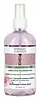
This calming treatment is formulated around Rosa Damascena Flower Water and Acetyl Hexapeptide-8 to calm redness.
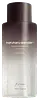
This hydrating toner is formulated around Oryza Sativa Extract and Hyaluronic Acid to hydrate skin and calm redness.


What's inside
What's inside
 Key Ingredients
Benefits
Concerns
No concerns
Ingredients Side-by-side
Water
Skin ConditioningGlycerin
Humectant


Pyrus Malus Fruit Extract
Skin Conditioning
PEG-12 Dimethicone
Skin Conditioning
Soluble Collagen
Humectant
Rosa Damascena Flower Water
Masking

Aloe Barbadensis Leaf Juice
Skin Conditioning
Acetyl Hexapeptide-8
Humectant
Butylene Glycol
Humectant
Citrullus Lanatus Fruit Extract
Skin Conditioning
Lens Esculenta Fruit Extract
Skin ConditioningSodium Lactate
Buffering
Sodium PCA
Humectant
Oryza Sativa Extract
Absorbent
Glycine Max Seed Extract
Skin ConditioningDaucus Carota Sativa Root Extract
Skin Conditioning
Chenopodium Quinoa Seed Extract
Skin Conditioning
Panax Ginseng Root Extract
Emollient
Tocopheryl Acetate
Antioxidant


Vaccinium Angustifolium Fruit Extract
Skin Protecting
Isopentyldiol
Humectant
Pentylene Glycol
Skin Conditioning
Phenoxyethanol
Preservative
Maltodextrin
Absorbent
Tetrasodium Glutamate Diacetate
ChelatingParfum
Masking




Caprylyl Glycol
Emollient
Ethylhexylglycerin
Skin ConditioningHexylene Glycol
EmulsifyingCitric Acid
Buffering
CI 17200
Cosmetic ColorantWater, Glycerin, Pyrus Malus Fruit Extract, PEG-12 Dimethicone, Soluble Collagen, Rosa Damascena Flower Water, Aloe Barbadensis Leaf Juice, Acetyl Hexapeptide-8, Butylene Glycol, Citrullus Lanatus Fruit Extract, Lens Esculenta Fruit Extract, Sodium Lactate, Sodium PCA, Oryza Sativa Extract, Glycine Max Seed Extract, Daucus Carota Sativa Root Extract, Chenopodium Quinoa Seed Extract, Panax Ginseng Root Extract, Tocopheryl Acetate, Vaccinium Angustifolium Fruit Extract, Isopentyldiol, Pentylene Glycol, Phenoxyethanol, Maltodextrin, Tetrasodium Glutamate Diacetate, Parfum, Caprylyl Glycol, Ethylhexylglycerin, Hexylene Glycol, Citric Acid, CI 17200
Water
Skin ConditioningBetaine
Humectant
Glycerin
Humectant
Propanediol
Solvent
Scutellaria Baicalensis Root Extract
Astringent
Oryza Sativa Extract
Absorbent
Phyllostachys Pubescens Shoot Bark Extract
Skin ConditioningXanthan Gum
EmulsifyingCellulose Gum
Emulsion Stabilising1,2-Hexanediol
Skin Conditioning
Butylene Glycol
Humectant
Pulsatilla Koreana Extract
Skin ConditioningZanthoxylum Piperitum Fruit Extract
Skin ConditioningUsnea Barbata Extract
Aspergillus Ferment
Skin ConditioningSodium Gluconate
ChelatingHyaluronic Acid
Humectant
Beta-Glucan
Skin Conditioning
Tamarindus Indica Seed Gum
Emulsion Stabilising
Panax Ginseng Root Extract
Emollient
Glucose
Humectant
Cyclodextrin
AbsorbentWater, Betaine, Glycerin, Propanediol, Scutellaria Baicalensis Root Extract, Oryza Sativa Extract, Phyllostachys Pubescens Shoot Bark Extract, Xanthan Gum, Cellulose Gum, 1,2-Hexanediol, Butylene Glycol, Pulsatilla Koreana Extract, Zanthoxylum Piperitum Fruit Extract, Usnea Barbata Extract, Aspergillus Ferment, Sodium Gluconate, Hyaluronic Acid, Beta-Glucan, Tamarindus Indica Seed Gum, Panax Ginseng Root Extract, Glucose, Cyclodextrin
Reviews
Ingredients Explained
These ingredients are found in both products.
Ingredients higher up in an ingredient list are typically present in a larger amount.
Butylene Glycol (or BG) is used within cosmetic products for a few different reasons:
Overall, Butylene Glycol is a safe and well-rounded ingredient that works well with other ingredients.
Though this ingredient works well with most skin types, some people with sensitive skin may experience a reaction such as allergic rashes, closed comedones, or itchiness.
Learn more about Butylene GlycolGlycerin (or glycerol) is a compound naturally found in your skin. It's a powerhouse humectant that pulls water into the stratum corneum.
Topically, glycerin does several things at once:
Your skin makes glycerin on its own (mostly from sebaceous oil breakdown) and shuttles it to your outermost layer of skin, or your epidermis, via aquaporin-3.
Aquaporin-3 is a transporter that is essential for normal skin hydration, elasticity, and repair. Interestingly, mice lacking in AQP3 have dry and less elastic skin that can be fully corrected with glycerin.
This ingredient is non-irritating, plays well with almost every ingredient, and works across all skin types. Typical use is anywhere between 3-10% but can go up to 79% in some leave-on products.
Just know very high concentrations (>40%) can feel tacky in low humidity.
Glycerin is the name for this ingredient in American English. British English uses Glycerol/Glycerine.
Learn more about GlycerinOryza Sativa Extract comes from the rice grain, Oryza sativa. Rice extract has wound healing, antioxidant, anti-inflammatory, and hydrating properties.
Rice grains contain numerous antioxidants which may help with anti-aging, such as vitamin E. Antioxidants help stabilize free-radical molecules. Unstable free-radical molecules may damage your skin cells and accelerate signs of aging.
A study from 2002 found rice to help increase the rate of wound healing. The same study found an improvement of skin barrier function in the patients after taking rice baths.
Numerous in-vitro studies have found rice water to help decrease sun damage by increasing collagen production and inhibiting the process of tyrosinase.
Long story short- tyrosinase is an enzyme that controls melanin production. Our bodies start producing melanin (AKA tanning) when exposed to UV radiation to protect against damage. Rice water is found to partially block this process.
Though more research is needed on rice's ability to help with UV protection, recent studies seem promising.
Wondering why rice is hydrating? The protein in rice have emollient properties. Emollients create a barrier on the skin to trap moisture in, keeping your skin moisturized.
Some rice extract may have mildly-exfoliating properties. These are mainly limited to Oryza Sativa (Rice) Bran and Oryza Sativa (Rice) Germ Powder.
This rice was first cultivated in China over 10,000 years ago. Many cultures throughout Asia have used rice water on skin and hair for centuries.
Learn more about Oryza Sativa ExtractGinseng root is a well-loved ingredient in Asian skincare for good reason. It hydrates the skin, soothes irritation, and helps even out skin tone.
In traditional East Asian medicine, ginseng has been used for centuries both as food and as a healing remedy, and modern research continues to confirm its skin benefits.
One of the standout features of ginseng is its ability to improve blood circulation and oxygen delivery to the skin, bringing a fresh supply of nutrients to support overall skin health. It also has antioxidant and anti-inflammatory properties. This helps to protect your skin against damage from UV exposure, pollution, and daily stress.
Additionally, studies suggest that ginseng may help reduce hyperpigmentation by inhibiting tyrosinase, the enzyme involved in melanin production.
There are different types of ginseng used in skincare, and while they all share core benefits, their potency can vary.
Most products use fresh or white ginseng because it’s more affordable. However, red ginseng, produced by steaming the root, contains higher levels of ginsenosides, which are compounds with proven anti-aging effects. These ginsenosides help reduce the appearance of wrinkles and improve skin elasticity.
Note: All forms of ginseng are listed simply as “Panax ginseng” in ingredient lists. We recommend reaching out to the brand if you have questions about which type of ginseng is used in their ingredients.
For general antioxidant benefits, any ginseng extract will do, but for wrinkle care or firmer skin, red or fermented ginseng is often more effective.
In short, ginseng is a powerhouse ingredient that supports hydration, radiance, and resilience.
Learn more about Panax Ginseng Root ExtractWater. It's the most common cosmetic ingredient of all. You'll usually see it at the top of ingredient lists, meaning that it makes up the largest part of the product.
So why is it so popular? Water most often acts as a solvent - this means that it helps dissolve other ingredients into the formulation.
You'll also recognize water as that liquid we all need to stay alive. If you see this, drink a glass of water. Remember to stay hydrated!
Learn more about Water

