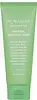
This mild gel cleanser is made to cleanse while calming and soothing your skin.
This salicylic acid gel cleanser is formulated around Salicylic Acid to clear breakouts and unclog pores.

What's inside
What's inside
 Key Ingredients
Benefits
Concerns
Ingredients Side-by-side
Water
Skin ConditioningSodium Lauroyl Sarcosinate
CleansingCocamidopropyl Betaine
Cleansing



Sodium Lauroyl Glutamate
SurfactantPolyacrylate Crosspolymer-6
Emulsion StabilisingButylene Glycol
Humectant

Sodium Chloride
MaskingPanthenol
Skin Conditioning


Maltooligosyl Glucoside
Skin ConditioningHydrogenated Starch Hydrolysate
HumectantKidachi Aloe Youjyuu Matsu
EmollientArtemisia Argyi Leaf Extract
Skin ConditioningMannitol
Humectant
Potassium Hydroxide
BufferingErythritol
Humectant
Polyglyceryl-6 Caprylate
EmulsifyingGlutamic Acid
Humectant
Centella Asiatica Extract
Cleansing

Sodium Sulfate
Glycerin
Humectant
1,2-Hexanediol
Skin Conditioning
Melaleuca Alternifolia Leaf Oil
Antioxidant





Sarcosine
Skin Conditioning
PEG-14m
Emulsion StabilisingGlycine
Buffering
Phenoxyethanol
Preservative
Hydroxyacetophenone
Antioxidant
Aspartic Acid
Masking
PCA Ethyl Cocoyl Arginate
Moisturising
BHT
Antioxidant
Water, Sodium Lauroyl Sarcosinate, Cocamidopropyl Betaine, Sodium Lauroyl Glutamate, Polyacrylate Crosspolymer-6, Butylene Glycol, Sodium Chloride, Panthenol, Maltooligosyl Glucoside, Hydrogenated Starch Hydrolysate, Kidachi Aloe Youjyuu Matsu, Artemisia Argyi Leaf Extract, Mannitol, Potassium Hydroxide, Erythritol, Polyglyceryl-6 Caprylate, Glutamic Acid, Centella Asiatica Extract, Sodium Sulfate, Glycerin, 1,2-Hexanediol, Melaleuca Alternifolia Leaf Oil, Sarcosine, PEG-14m, Glycine, Phenoxyethanol, Hydroxyacetophenone, Aspartic Acid, PCA Ethyl Cocoyl Arginate, BHT
Water
Skin ConditioningPotassium Laureth Phosphate
EmulsifyingGlycerin
Humectant
Potassium Cocoyl Glutamate
Surfactant
Lauryl Hydroxysultaine
CleansingAcrylates/C10-30 Alkyl Acrylate Crosspolymer
Emulsion StabilisingButylene Glycol
Humectant
Aspartic Acid
Masking
Caprylyl Glycol
Emollient
Sodium Cocoyl Glutamate
Cleansing
1,2-Hexanediol
Skin Conditioning
Coco-Glucoside
Cleansing
Polyglyceryl-10 Laurate
Skin Conditioning
Polyglyceryl-10 Myristate
Skin Conditioning
Glyceryl Caprylate
EmollientSodium Cocoyl Isethionate
Cleansing
Parfum
Masking
Disodium EDTA
Quillaja Saponaria Bark Extract
CleansingCitric Acid
Buffering

Salicylic Acid
Masking


Zinc PCA
Humectant
Glycolic Acid
Buffering

Water, Potassium Laureth Phosphate, Glycerin, Potassium Cocoyl Glutamate, Lauryl Hydroxysultaine, Acrylates/C10-30 Alkyl Acrylate Crosspolymer, Butylene Glycol, Aspartic Acid, Caprylyl Glycol, Sodium Cocoyl Glutamate, 1,2-Hexanediol, Coco-Glucoside, Polyglyceryl-10 Laurate, Polyglyceryl-10 Myristate, Glyceryl Caprylate, Sodium Cocoyl Isethionate, Parfum, Disodium EDTA, Quillaja Saponaria Bark Extract, Citric Acid, Salicylic Acid, Zinc PCA, Glycolic Acid
Reviews
Ingredients Explained
These ingredients are found in both products.
Ingredients higher up in an ingredient list are typically present in a larger amount.
1,2-Hexanediol is a synthetic liquid and another multi-functional powerhouse.
It is a:
- Humectant, drawing moisture into the skin
- Emollient, helping to soften skin
- Solvent, dispersing and stabilizing formulas
- Preservative booster, enhancing the antimicrobial activity of other preservatives
Aspartic Acid is an amino acid that our bodies produce naturally. It is an antioxidant.
Our body uses Aspartic Acid to help build collagen and elastin. It also plays a role in hydrating skin.
Butylene Glycol (or BG) is used within cosmetic products for a few different reasons:
Overall, Butylene Glycol is a safe and well-rounded ingredient that works well with other ingredients.
Though this ingredient works well with most skin types, some people with sensitive skin may experience a reaction such as allergic rashes, closed comedones, or itchiness.
Learn more about Butylene GlycolGlycerin (or glycerol) is a compound naturally found in your skin. It's a powerhouse humectant that pulls water into the stratum corneum.
Topically, glycerin does several things at once:
Your skin makes glycerin on its own (mostly from sebaceous oil breakdown) and shuttles it to your outermost layer of skin, or your epidermis, via aquaporin-3.
Aquaporin-3 is a transporter that is essential for normal skin hydration, elasticity, and repair. Interestingly, mice lacking in AQP3 have dry and less elastic skin that can be fully corrected with glycerin.
This ingredient is non-irritating, plays well with almost every ingredient, and works across all skin types. Typical use is anywhere between 3-10% but can go up to 79% in some leave-on products.
Just know very high concentrations (>40%) can feel tacky in low humidity.
Glycerin is the name for this ingredient in American English. British English uses Glycerol/Glycerine.
Learn more about GlycerinWater. It's the most common cosmetic ingredient of all. You'll usually see it at the top of ingredient lists, meaning that it makes up the largest part of the product.
So why is it so popular? Water most often acts as a solvent - this means that it helps dissolve other ingredients into the formulation.
You'll also recognize water as that liquid we all need to stay alive. If you see this, drink a glass of water. Remember to stay hydrated!
Learn more about Water

