
What's inside
What's inside
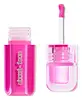 Key Ingredients
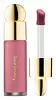
No key ingredients
Benefits
Concerns
Ingredients Side-by-side
Hydrogenated Polyisobutene
EmollientUndecane
EmollientTridecane
Perfuming

CI 77891
Cosmetic ColorantEthylene/Propylene/Styrene Copolymer
Silica Silylate
Emollient
CI 45410
Cosmetic ColorantPhenoxyethanol
Preservative
Butylene/Ethylene/Styrene Copolymer
Tocopherol
Antioxidant







Panthenol
Skin Conditioning

Squalane
Emollient
Sodium Hyaluronate
Humectant
Simmondsia Chinensis Seed Oil
Emollient


Tocopheryl Acetate
Antioxidant
Pentaerythrityl Tetra-Di-T-Butyl Hydroxyhydrocinnamate
Antioxidant
Hydrogenated Polyisobutene, Undecane, Tridecane, CI 77891, Ethylene/Propylene/Styrene Copolymer, Silica Silylate, CI 45410, Phenoxyethanol, Butylene/Ethylene/Styrene Copolymer, Tocopherol, Panthenol, Squalane, Sodium Hyaluronate, Simmondsia Chinensis Seed Oil, Tocopheryl Acetate, Pentaerythrityl Tetra-Di-T-Butyl Hydroxyhydrocinnamate
Hydrogenated Polyisobutene
EmollientHydrogenated Poly(C6-14 Olefin)
EmollientMica
Cosmetic ColorantOctyldodecanol
Emollient
Ethylene/Propylene/Styrene Copolymer
Trimethylsiloxysilicate
Emollient
Isododecane
Emollient1,2-Hexanediol
Skin Conditioning
Disteardimonium Hectorite
StabilisingSorbitan Sesquioleate
Emulsifying
Propylene Carbonate
SolventTriethoxycaprylylsilane
Aluminum Hydroxide
EmollientHelianthus Annuus Seed Oil
Emollient
Gardenia Florida Fruit Extract
Skin ConditioningNelumbo Nucifera Flower Extract
Skin ConditioningNymphaea Odorata Root Extract
RefreshingCI 77491
Cosmetic ColorantCI 15850
Cosmetic ColorantCI 15985
Cosmetic ColorantCI 77891
Cosmetic ColorantCI 19140
Cosmetic ColorantCI 45410
Cosmetic ColorantHydrogenated Polyisobutene, Hydrogenated Poly(C6-14 Olefin), Mica, Octyldodecanol, Ethylene/Propylene/Styrene Copolymer, Trimethylsiloxysilicate, Isododecane, 1,2-Hexanediol, Disteardimonium Hectorite, Sorbitan Sesquioleate, Propylene Carbonate, Triethoxycaprylylsilane, Aluminum Hydroxide, Helianthus Annuus Seed Oil, Gardenia Florida Fruit Extract, Nelumbo Nucifera Flower Extract, Nymphaea Odorata Root Extract, CI 77491, CI 15850, CI 15985, CI 77891, CI 19140, CI 45410
Reviews
Ingredients Explained
These ingredients are found in both products.
Ingredients higher up in an ingredient list are typically present in a larger amount.
CI 45410 is a synthetic red-pigment and dye.
It often goes by both Red 28 or Red 27; manufacturers label both ingredients as CI 45410.
This dye is commonly found in makeup because it imparts a vivid color. Some types of this dye change color based on pH level and interaction with moisture:
Your skin has a natural pH of around 4.5 - 5.5.
According to the FDA, CI 45410 is not permitted for use in eye products.
Red 27 is a flourescein dye and commonly used as a fluorescent tracer in medicine.
Learn more about CI 45410Ci 77891 is a white pigment from Titanium dioxide. It is naturally found in minerals such as rutile and ilmenite.
It's main function is to add a white color to cosmetics. It can also be mixed with other colors to create different shades.
Ci 77891 is commonly found in sunscreens due to its ability to block UV rays.
Learn more about CI 77891This is a synthetic polymer used to thicken formulas, improve texture, and enhance spreadability.
Due to its large molecule size, this ingredient does not penetrate the skin and is considered well-tolerated.
Hydrogenated Polyisobutene is a synthetic polymer. Polymers are compounds with high molecular weight. Hydrogenated Polyisobutene is an emollient and texture enhancer.
In one study, Hydrogenated Polyisobutene showed better skin hydration levels than Caprylic/Capric Triglyceride. As an emollient, it helps keep your skin soft and hydrated by trapping moisture in.
Hydrogenated Polyisobutene is often used as a mineral oil replacement.
Learn more about Hydrogenated Polyisobutene

