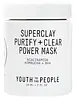
This wash off mask is formulated around Salicylic Acid to clear breakouts and unclog pores.
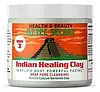
This wash off mask is made with Bentonite for a rinse-off oil-control boost.

What's inside
What's inside
 Key Ingredients
No key ingredients
Benefits
Concerns
No concerns
Ingredients Side-by-side
Water
Skin ConditioningKaolin
Abrasive



Stearyl Alcohol
Emollient


Propanediol
Solvent

Glycerin
Humectant
Glyceryl Stearate
Emollient
Niacinamide
Smoothing






Oryza Sativa Starch
AbsorbentBentonite
Absorbent
Cetyl Alcohol
Emollient
Magnesium Aluminum Silicate
Absorbent
Montmorillonite
AbsorbentIllite
Abrasive
Calcite
Skin ConditioningSalicylic Acid
Masking




Salix Purpurea Bark Extract
Skin ConditioningSaccharomyces/Xylinum/Black Tea Ferment
Skin Conditioning
Allantoin
Skin Conditioning
Carthamus Tinctorius Seed Oil
Masking
Indocyanine Green
UV AbsorberAloe Barbadensis Leaf Juice
Skin Conditioning
Glyceryl Acrylate/Acrylic Acid Copolymer
HumectantCetearyl Olivate
Sorbitan Olivate
Emulsifying
Triticum Aestivum Leaf Extract
Antioxidant
Lactic Acid
Buffering
Sorbitan Stearate
Emulsifying
Caprylhydroxamic Acid
Charcoal Powder
Abrasive
Sodium Citrate
Buffering1,2-Hexanediol
Skin Conditioning
Phenoxyethanol
Preservative
Quartz
Abrasive
Silica
Abrasive
Sodium Benzoate
Masking
Potassium Sorbate
Preservative
Maltodextrin
Absorbent
Gardenia Florida Fruit Extract
Skin ConditioningWater, Kaolin, Stearyl Alcohol, Propanediol, Glycerin, Glyceryl Stearate, Niacinamide, Oryza Sativa Starch, Bentonite, Cetyl Alcohol, Magnesium Aluminum Silicate, Montmorillonite, Illite, Calcite, Salicylic Acid, Salix Purpurea Bark Extract, Saccharomyces/Xylinum/Black Tea Ferment, Allantoin, Carthamus Tinctorius Seed Oil, Indocyanine Green, Aloe Barbadensis Leaf Juice, Glyceryl Acrylate/Acrylic Acid Copolymer, Cetearyl Olivate, Sorbitan Olivate, Triticum Aestivum Leaf Extract, Lactic Acid, Sorbitan Stearate, Caprylhydroxamic Acid, Charcoal Powder, Sodium Citrate, 1,2-Hexanediol, Phenoxyethanol, Quartz, Silica, Sodium Benzoate, Potassium Sorbate, Maltodextrin, Gardenia Florida Fruit Extract
Reviews
Ingredients Explained
These ingredients are found in both products.
Ingredients higher up in an ingredient list are typically present in a larger amount.
Bentonite is an aluminium phyllosilicate clay with great absorbent properties. The name 'bentonite' comes from the area where the largest source is found: Fort Benton, Wyoming.
As a clay, bentonite is often used to absorb excess oil and provide exfoliation. It has also been shown to have some antibacterial and anti-inflammatory properties. Studies show bentonite was effective at calming dermatitis from poison ivy and in diaper dermatitis of infants. Bentonite has also been shown to act as a barrier against toxic compounds on your skin.
Sunscreens containing bentonite display higher water resistance and stay on the skin for much longer. The sunscreens containing bentonite also show higher potency and UV light absorbtion.
Bentonite is naturally created from volcanic ash and several natural weathering/hydrothermal processes.
A common usage of bentonite is removing excess protein from white wines. Bentonite contains a property of being able to absorb large amounts of protein from aqueous solutions.
Phyllosilicate clay has a structure formed by sheets.
Learn more about Bentonite

