

What's inside
What's inside
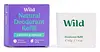 Key Ingredients
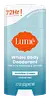
Benefits
Concerns
Ingredients Side-by-side
Caprylic/Capric Triglyceride
Masking


Tapioca Starch
Stearyl Alcohol
Emollient


Sodium Bicarbonate
Abrasive
Triethyl Citrate
Masking

Helianthus Annuus Seed Cera
Emollient
Cocos Nucifera Oil
Masking



Parfum
Masking
Butyrospermum Parkii Butter
Skin Conditioning
Theobroma Cacao Seed Butter
Emollient
Magnesium Hydroxide
AbsorbentZinc Ricinoleate
Tocopheryl Acetate
Antioxidant


Hexyl Cinnamal
Perfuming
Helianthus Annuus Seed Oil
Emollient
Benzyl Salicylate
Perfuming
Coumarin
Perfuming
Tocopherol
Antioxidant


Caprylic/Capric Triglyceride, Tapioca Starch, Stearyl Alcohol, Sodium Bicarbonate, Triethyl Citrate, Helianthus Annuus Seed Cera, Cocos Nucifera Oil, Parfum, Butyrospermum Parkii Butter, Theobroma Cacao Seed Butter, Magnesium Hydroxide, Zinc Ricinoleate, Tocopheryl Acetate, Hexyl Cinnamal, Helianthus Annuus Seed Oil, Benzyl Salicylate, Coumarin, Tocopherol
Water
Skin ConditioningMandelic Acid
Antimicrobial





Maranta Arundinacea Root Powder
Skin ConditioningTapioca Starch
Isoamyl Laurate
Emollient
Hydroxypropyl Starch Phosphate
Cetearyl Alcohol
Emollient
Caffeine
Skin Conditioning
Caprylic/Capric Triglyceride
Masking
Behenyl Alcohol
Emollient
Hydrogenated Castor Oil
Emollient
Aloe Barbadensis Leaf Juice
Skin Conditioning
Theobroma Cacao Seed Butter
Emollient
Tocopherol
Antioxidant
Allantoin
Skin Conditioning
Panthenol
Skin Conditioning
Sandalore
Stearyl Alcohol
Emollient
Dimethicone
Emollient
Cetearyl Glucoside
Emulsifying
Pentylene Glycol
Skin Conditioning
Phenylpropanol
Masking
Potassium Hydroxide
BufferingDipropylene Glycol
HumectantSodium Benzoate
Masking
Tetrasodium Glutamate Diacetate
ChelatingWater, Mandelic Acid, Maranta Arundinacea Root Powder, Tapioca Starch, Isoamyl Laurate, Hydroxypropyl Starch Phosphate, Cetearyl Alcohol, Caffeine, Caprylic/Capric Triglyceride, Behenyl Alcohol, Hydrogenated Castor Oil, Aloe Barbadensis Leaf Juice, Theobroma Cacao Seed Butter, Tocopherol, Allantoin, Panthenol, Sandalore, Stearyl Alcohol, Dimethicone, Cetearyl Glucoside, Pentylene Glycol, Phenylpropanol, Potassium Hydroxide, Dipropylene Glycol, Sodium Benzoate, Tetrasodium Glutamate Diacetate
Reviews
Ingredients Explained
These ingredients are found in both products.
Ingredients higher up in an ingredient list are typically present in a larger amount.
Caprylic/Capric Triglyceride (aka MCT Oil) is a lightweight emollient, solvent, and texture enhancer. It is considered a skin-softener by helping to prevent moisture loss.
Though it behaves like an oil, it is not technically one due to its chemical composition. One perk of this ingredient is that it is very stable, resistant to oxidation, and unlikely to go rancid.
In practice, that translates to a long shelf life and a consistently elegant skin feel.
While there is an assumption Caprylic Triglyceride can clog pores due to it being derived from coconut oil, there is no research supporting this. Just patch test if you have concerns.
Fractionated coconut oil and MCT Oil are both listed as Caprylic/Capric Triglyceride according to INCI. This is because INCI names are based on the ingredient’s final chemical composition and not its marketing name or source.
This ingredient is treated as the gold standard fungal acne safe oil. Even though it is coconut derived, the problematic lauric acid is stripped out.
This leaves just caprylic (C8) and capric (C10) acid. These chain lengths actually trend antifungal; a 2020 study found caprylic acid was enough to disrupt Malassezia furfur cell membrane, with a caprylic acid derivative damaging membrane structures at concentrations as low as 0.2%.
Learn more about Caprylic/Capric TriglycerideStearyl Alcohol is a type of fatty alcohol from stearic acid. It is a white, waxy compound used to emulsify ingredients used as an emollient or to thicken a product.
Emollients help soothe and hydrate the skin by trapping moisture.
Fatty alcohols are usually derived from natural fats and oils and therefore do not have the same drying or irritating effect as solvent (ethanol) alcohols.
The FDA allows products labeled "alcohol-free" to have fatty alcohols.
This ingredient may not be fungal acne safe. It is a primary fatty alcohol with a chain length above 12 carbons. A study from 2019 show Malassezia can feed on fatty alcohols in this range, so it may trigger fungal acne in those prone to it.
Learn more about Stearyl AlcoholTapioca starch is a thickening agent and is made from the cassava root, also known as yucca.
According to a manufacturer, it is an excellent talc replacement.
It is gluten-free.
Learn more about Tapioca StarchThis ingredient is also known as Cocoa butter; it's the fat pressed out of roasted cocoa beans.
Cocoa butter is solid at room temperature and melts right around body temperature, which is why it feels waxy in the jar and slippery on skin.
It has a very saturated profile (stearic acid ~34 to 36%, oleic acid ~30 to 40%, and palmitic acid ~24 to 29%) that makes it a strong occlusive: it sits on top and slows water escaping from skin.
Concentration data shows that it can show up anywhere from a few percent in lotions up to 100% in balms, and the FDA lists cocoa butter as an OTC skin protectant active at 50-100%.
The CIR has reviewed it and concluded it to be safe as used in cosmetics.
This is one of the ingredients with a comedogenic score of 4/5 from the rabbit ear test. Just know that a later human study did find that finished products containing high-comedogenic ingredients like cocoa butter did not increase microcomedone formation.
The fair call here is that this ingredient is most likely fine on body or low-percentage formulas, but can potentially be riskier as a heavy leave-on facial product if you break out easily.
Cocoa butter may not be fungal acne safe; it is a triglyceride of C16-18 fatty acids that the Malassezia yeast can metabolize.
Allergies to cocoa butter are rare and uncommon, but a few cases have been documented (mostly in cases where the person ate chocolate). So if you have a tree nut allergy, be sure to patch test or avoid.
Learn more about Theobroma Cacao Seed ButterTocopherol is a fat-soluble antioxidant known as Vitamin E.
You'll find this ingredient in the vast majority of skincare (for good reason). It works to neutralize free radicals, or unstable molecules generated by UV exposure, pollution, and other environmental stressors, before they can cause oxidative damage to your skin cells.
Topically applied tocopherol has been shown to protect against UV damage by ramping up the skin's own natural defense enzymes.
It also acts as a skin conditioning agent; some studies show that regular topical use can improve the skin's water-binding capacity over 2-4 weeks.
This ingredient is especially loved for being a team player. When combined with Vitamin C, the photoprotective effect of both ingredients roughly doubles and the combo also helps reduce UV-induced DNA damage.
This ingredient has some brightening potential but it's more of a prevention ingredient than spot-fader. Cell studies show it can slow down melanin production but it's worth noting that it's not the most powerful brightener out there.
In formulations, it also serves as a stabilizer that helps protect other oxidation-prone ingredients from degrading.
Concentrations usually range from 0.1-1% in most leave-on products.
Learn more about Tocopherol

