
What's inside
What's inside
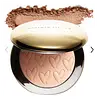 Key Ingredients
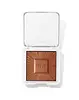
No key ingredients
Benefits
Concerns
Ingredients Side-by-side




Mica
Cosmetic ColorantCoco-Caprylate/Caprate
Emollient
Cetearyl Ethylhexanoate
Emollient

Glycerin
Humectant


Sorbitan Oleate Decylglucoside Crosspolymer
CleansingWater
Skin ConditioningHydrolyzed Rice Protein
Skin ConditioningSodium Isostearate
CleansingSqualane
Emollient
Caprylyl Glycol
Emollient
Ethylhexylglycerin
Skin ConditioningAluminum Hydroxide
Emollient1,2-Hexanediol
Skin Conditioning
Pentylene Glycol
Skin Conditioning
Gellan Gum
Calcium Chloride
AstringentSodium Chloride
MaskingPentaerythrityl Tetra-Di-T-Butyl Hydroxyhydrocinnamate
Antioxidant
Zinc Stearate
Cosmetic ColorantLauroyl Lysine
Skin Conditioning
Tin Oxide
Abrasive
Simmondsia Chinensis Seed Oil
Emollient
Sodium Citrate
BufferingXanthan Gum
EmulsifyingMauritia Flexuosa Fruit Oil
Skin Conditioning

Rosmarinus Officinalis Leaf Extract
AntimicrobialHelianthus Annuus Seed Oil
Emollient
Tocopherol
Antioxidant



CI 77891
Cosmetic ColorantCI 77491
Cosmetic ColorantCI 77492
Cosmetic ColorantCI 77499
Cosmetic ColorantCI 77742
Cosmetic ColorantCI 73360
Cosmetic ColorantMica, Coco-Caprylate/Caprate, Cetearyl Ethylhexanoate, Glycerin, Sorbitan Oleate Decylglucoside Crosspolymer, Water, Hydrolyzed Rice Protein, Sodium Isostearate, Squalane, Caprylyl Glycol, Ethylhexylglycerin, Aluminum Hydroxide, 1,2-Hexanediol, Pentylene Glycol, Gellan Gum, Calcium Chloride, Sodium Chloride, Pentaerythrityl Tetra-Di-T-Butyl Hydroxyhydrocinnamate, Zinc Stearate, Lauroyl Lysine, Tin Oxide, Simmondsia Chinensis Seed Oil, Sodium Citrate, Xanthan Gum, Mauritia Flexuosa Fruit Oil, Rosmarinus Officinalis Leaf Extract, Helianthus Annuus Seed Oil, Tocopherol, CI 77891, CI 77491, CI 77492, CI 77499, CI 77742, CI 73360
Reviews
Ingredients Explained
These ingredients are found in both products.
Ingredients higher up in an ingredient list are typically present in a larger amount.
Aluminum Hydroxide is a form of aluminum. It can be naturally found in nature as the mineral gibbsite. In cosmetics, Aluminum Hydroxide is used as a colorant, pH adjuster, and absorbent.
As a colorant, Aluminum Hydroxide may add opacity, or reduce the transparency. Aluminum hydroxide is contains both basic and acidic properties.
According to manufacturers, this ingredient is an emollient and humectant. This means it helps hydrate the skin.
In medicine, this ingredient is used to help relieve heartburn and help heal ulcers.
There is currently no credible scientific evidence linking aluminum hydroxide in cosmetics to increased cancer risk.
Major health organizations allow the use of aluminum hydroxide in personal care products and have not flagged it as a carcinogenic risk at typical usage levels.
Learn more about Aluminum HydroxideMica is a naturally occurring mineral used to add shimmer and color in cosmetics. It can also help improve the texture of a product or give it an opaque, white/silver color.
Serecite is the name for very fine but ragged grains of mica.
This ingredient is often coated with metal oxides like titanium dioxide. Trace amounts of heavy metals may be found in mica, but these metals are not harmful in our personal products.
Mica has been used since prehistoric times throughout the world. Ancient Egyptian, Indian, Greek, Roman, Aztec, and Chinese civilizations have used mica.
Learn more about MicaSqualane is the hydrogenated and shelf-stable form of squalene (a lipid that naturally occurs in human sebum).
It is an emollient and skin conditioning agent that is able to integrate seamlessly into the skin's lipid barrier without clogging pores.
This is due to how structurally similar it is to what your skin already produces.
Though it is mostly an emollient that helps soften and hydrate skin, it also has some humectant and occlusive action. Humectants help the skin retain moisture while occlusives seal it in, making squalane a triple-threat moisturizer.
Research shows it has antioxidant capabilities that help protect against stressors like UV exposure, specifically UVA induced oxidative stress. This study also found that it supports collagen biosynthesis in human dermal fibroblasts.
No clinical study has reported significant adverse effects and irritation reactions are very rare from this ingredient (even at 100% concentration).
Overall, it's a fantastic ingredient for hydration and is suitable for all skin types.
This depends on the source. Squalane can be derived from both plants and animals. Most squalane used in skincare comes from plants.
Please note: the source of squalane is only known if disclosed by the brand. We recommend reaching out to the brand if you have any questions about their squalane.
Read more about squalene with an "e".
Though squalane is often called an oil, it’s technically not one. It is a hydrocarbon, meaning it is only made of carbon and hydrogen. True oils are triglycerides and made of fatty acids and glycerol.
The term “oil-free” isn’t regulated so companies can define it however they want. Some exclude all oils, while others just avoid mineral oil or comedogenic oils.
Squalane has a comedogenic rating of 1 from the original 1972 study that tested raw ingredients under occlusion on rabbit ears. This system is not standardized or peer-reviewed, and using the raw ingredients is very different from how diluted cosmetic formulations are used on human skin.
A comedogenic rating of 1 means it is "unlikely to clog pores" according to the original rating system.
The overall formula of a product matters more than the individual ingredients on whether or not it will cause clogged pores.
Learn more about SqualaneZinc Stearate is the metal salt of stearic acid. It is a white solid used to bind, thicken, and lubricate products.
This ingredient is common in powder makeup, where it helps keep the powder together.
Zinc Stearate is hydrophobic and repels water.
This ingredient can be sourced from non-animal or animal sources. It is best to reach out to the brand to see where they source this ingredient from.
Learn more about Zinc Stearate

