

What's inside
What's inside
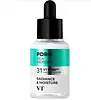 Key Ingredients
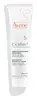
Benefits
Concerns
No concerns
Ingredients Side-by-side
Helianthus Annuus Seed Oil
Emollient


Acrylates/C10-30 Alkyl Acrylate Crosspolymer
Emulsion StabilisingArginine
Masking
Tocopherol
Antioxidant






Adenosine
Skin Conditioning
Ceramide NP
Skin Conditioning
Adansonia Digitata Seed Oil
Emollient
Disodium EDTA
Hydrogenated Lecithin
Emulsifying
Squalane
Emollient
Allantoin
Skin Conditioning
Lactobacillus/Soymilk Ferment Filtrate
Skin ConditioningPanthenol
Skin Conditioning
Polyglucuronic Acid
Skin ConditioningCollagen Amino Acids
Moisturising
Ceramide As
Skin Conditioning
Ceramide Ns
Skin Conditioning
Butylene Glycol
Humectant
Pentylene Glycol
Skin Conditioning
Ceramide AP
Skin Conditioning
Ceramide EOP
Skin Conditioning
Haematococcus Pluvialis Extract
Antioxidant
Centella Asiatica Extract
Cleansing
Panax Ginseng Root Extract
Emollient
Copper Tripeptide-1
Skin Conditioning
Acetyl Hexapeptide-8
Humectant
Sodium Dna
Skin Conditioning
Helianthus Annuus Seed Oil, Acrylates/C10-30 Alkyl Acrylate Crosspolymer, Arginine, Tocopherol, Adenosine, Ceramide NP, Adansonia Digitata Seed Oil, Disodium EDTA, Hydrogenated Lecithin, Squalane, Allantoin, Lactobacillus/Soymilk Ferment Filtrate, Panthenol, Polyglucuronic Acid, Collagen Amino Acids, Ceramide As, Ceramide Ns, Butylene Glycol, Pentylene Glycol, Ceramide AP, Ceramide EOP, Haematococcus Pluvialis Extract, Centella Asiatica Extract, Panax Ginseng Root Extract, Copper Tripeptide-1, Acetyl Hexapeptide-8, Sodium Dna
Water
Skin ConditioningCaprylic/Capric Triglyceride
Masking
Paraffinum Liquidum
Emollient
Glycerin
Humectant
Hydrogenated Vegetable Oil
Emollient
Zinc Oxide
Cosmetic Colorant


Propylene Glycol
Humectant

Polyglyceryl-2 Sesquiisostearate
Emulsifying
PEG-22/Dodecyl Glycol Copolymer
EmulsifyingAluminum Stearate
Cosmetic ColorantAquaphilus Dolomiae Ferment Filtrate
Skin ConditioningArginine
Masking
Beeswax
Emulsion Stabilising
Copper Sulfate
Skin Conditioning
Magnesium Stearate
Cosmetic ColorantMicrocrystalline Wax
Emulsion StabilisingTromethamine
BufferingZinc Sulfate
Antimicrobial
Water, Caprylic/Capric Triglyceride, Paraffinum Liquidum, Glycerin, Hydrogenated Vegetable Oil, Zinc Oxide, Propylene Glycol, Polyglyceryl-2 Sesquiisostearate, PEG-22/Dodecyl Glycol Copolymer, Aluminum Stearate, Aquaphilus Dolomiae Ferment Filtrate, Arginine, Beeswax, Copper Sulfate, Magnesium Stearate, Microcrystalline Wax, Tromethamine, Zinc Sulfate
Reviews
Ingredients Explained
These ingredients are found in both products.
Ingredients higher up in an ingredient list are typically present in a larger amount.
Arginine is a semi-essential amino acid. This just means our bodies can product a bit on its own, but sometimes needs a little boost from food sources.
It is a part of your skin's natural moisturizing factor (NMF), or the water-loving molecules in your outermost layer of skin (stratum corneum) that keeps everything hydrated and happy.
Here's an interesting thing about Arginine: your skin converts it into urea through the Krebs-Henseleit urea cycle. Urea is one of the most effective humectants your skin naturally produces.
A clinical study showed applying 2.5% arginine hydrochloride to atopic dermatitis skin showed significant urea levels in the stratum corneum and improved moisture in just four weeks.
Arginine is also a precursor to nitric oxide; nitric oxide improves microcirculation and supports wound healing and collagen synthesis.
One study found that an amino acid complex containing Arginine reduced skin irritation, improved hydration, and accelerated skin repair in clinical / in-vivo studies.
Arginine itself is an amino acid and not a fatty acid, oil, or ester. On its own, it's not a direct food source for Malassezia, or the yeast that causes fungal acne.
Learn more about Arginine
