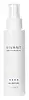
This calming moisturizer is formulated around Vitis Vinifera Seed Oil and Allantoin to calm redness and hydrate skin.
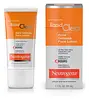
This acne moisturizer is formulated around Salicylic Acid and Sarcosine to clear breakouts and balance excess oil.

What's inside
What's inside
 Key Ingredients
Benefits
Concerns
Ingredients Side-by-side
Water
Skin ConditioningVitis Vinifera Seed Oil
Emollient




Propylene Glycol
Humectant
Octyldodecanol
Emollient
Cetyl Alcohol
Emollient
Glycerin
Humectant

Glyceryl Stearate
Emollient
PEG-100 Stearate
Surfactant
Allantoin
Skin Conditioning
Aloe Barbadensis Leaf Juice
Skin Conditioning
Hydrolyzed Oat Protein
Skin ConditioningSaccharomyces/Zinc Ferment
Skin Conditioning
Emulsifying Wax Nf
Carbomer
Emulsion StabilisingSodium Hydroxide
BufferingDimethicone
Emollient
BHT
Antioxidant
Disodium EDTA
ChelatingEthylhexylglycerin
Skin ConditioningPhenoxyethanol
Preservative
Water, Vitis Vinifera Seed Oil, Propylene Glycol, Octyldodecanol, Cetyl Alcohol, Glycerin, Glyceryl Stearate, PEG-100 Stearate, Allantoin, Aloe Barbadensis Leaf Juice, Hydrolyzed Oat Protein, Saccharomyces/Zinc Ferment, Emulsifying Wax Nf, Carbomer, Sodium Hydroxide, Dimethicone, BHT, Disodium EDTA, Ethylhexylglycerin, Phenoxyethanol
Salicylic Acid 2%
Masking







Water
Skin ConditioningC12-15 Alkyl Benzoate
AntimicrobialButylene Glycol
Humectant
Cetyl Alcohol
Emollient
Dimethicone
Emollient
Dimethicone PEG-8 Beeswax
Emollient
Glyceryl Stearate
Emollient
PEG-100 Stearate
Surfactant
Potassium Cetyl Phosphate
EmulsifyingCapryloyl Glycine
CleansingHydrogenated Palm Glycerides
Emollient
Acrylates/C10-30 Alkyl Acrylate Crosspolymer
Emulsion StabilisingXanthan Gum
EmulsifyingSarcosine
Skin Conditioning
Sodium Hydroxide
BufferingPropylene Glycol
Humectant
Parfum
Masking

Tocopheryl Acetate
Antioxidant
Cinnamomum Zeylanicum Bark Extract
Antimicrobial
Bisabolol
Antioxidant
Allantoin
Skin Conditioning
Cedrus Atlantica Bark Extract
Perfuming
Portulaca Oleracea Extract
Skin Conditioning
Citric Acid
Buffering
Salicylic Acid 2%, Water, C12-15 Alkyl Benzoate, Butylene Glycol, Cetyl Alcohol, Dimethicone, Dimethicone PEG-8 Beeswax, Glyceryl Stearate, PEG-100 Stearate, Potassium Cetyl Phosphate, Capryloyl Glycine, Hydrogenated Palm Glycerides, Acrylates/C10-30 Alkyl Acrylate Crosspolymer, Xanthan Gum, Sarcosine, Sodium Hydroxide, Propylene Glycol, Parfum, Tocopheryl Acetate, Cinnamomum Zeylanicum Bark Extract, Bisabolol, Allantoin, Cedrus Atlantica Bark Extract, Portulaca Oleracea Extract, Citric Acid
Ingredients Explained
These ingredients are found in both products.
Ingredients higher up in an ingredient list are typically present in a larger amount.
Allantoin is a soothing ingredient known for its protective and moisturizing properties; it's basically a quiet workhorse ingredient you can find in a huge range of cosmetics.
Though it can be derived from the comfrey plant, allantoin is produced synthetically for cosmetic products to ensure purity.
Research shows it can encourage your skin cells to turn over and renew by stimulating keratinocyte and fibroblast proliferation.
It also has mild keratolytic properties to help loosen and shed dead skin cells without being harsh.
Studies also suggest allantoin can help calm inflammation by dialing down some of the chemical signals your skin sends out when it is irritated.
This ingredient is typically used in the 0.1-0.5% range, and the FDA recognizes it as a skin protectant in OTC products up to 2%.
Overall, allantoin is a wonderful addition to most routines; it is stable across a wide pH range (~4-8), works well with other ingredients, and is considered non-sensitizing/non-irritating.
Fun fact: Allantoin is naturally occurring in comfrey root, beets, chamomile, and wheat sprouts. Our bodies even produce it as a byproduct of uric acid metabolism.
Learn more about AllantoinCetyl Alcohol is a fatty alcohol. Fatty Alcohols are most often used as an emollient or to thicken a product.
Its main roles are:
Though it has "alcohol" in the name, it is not related to denatured alcohol or ethyl alcohol.
The FDA allows products labeled "alcohol-free" to have fatty alcohols.
This ingredient may not be fungal acne safe. It is a primary fatty alcohol with a chain length above 12 carbons. A study from 2019 show Malassezia can feed on fatty alcohols in this range, so it may trigger fungal acne in those prone to it.
Learn more about Cetyl AlcoholDimethicone is a type of synthetic silicone created from natural materials such as quartz. It is also known as polydimethylsiloxane.
What it does:
Dimethicone comes in different viscosities:
Depending on the viscosity, dimethicone has different properties.
Ingredients lists don't always show which type is used, so we recommend reaching out to the brand if you have questions about the viscosity.
This ingredient is unlikely to cause irritation because it does not get absorbed into skin. However, people with silicone allergies should be careful about using this ingredient.
Note: Dimethicone may contribute to pilling. This is because it is not oil or water soluble, so pilling may occur when layered with products. When mixed with heavy oils in a formula, the outcome is also quite greasy.
Learn more about DimethiconeGlyceryl Stearate is made by reacting glycerin with stearic acid (typically sourced from plant oils like palm or coconut). It's an emulsifier, emollient, and mild occlusive.
Emulsifiers help ingredients like oil and water stay mixed so your formula stays nicely blended and uniform in texture.
This ingredient is typically used in concentrations between 1-10%. Studies have found it to be non-sensitizing, non-phototoxic, and non-photoallergenic.
A close cousin of this ingredient is Glyceryl Stearate SE ("self-emulsifying"). This just has a small amount of sodium or potassium stearate added so it can emulsify without a co-emulsifier.
Since this ingredient is an ester of a C18 fatty acid, it may not be fungal acne safe. The Malassezia yeast can potentially metabolize within the C11-C24 range.
Fun fact: The human body also creates Glyceryl Stearate naturally.
Learn more about Glyceryl StearatePeg-100 Stearate is an emollient and emulsifier. As an emollient, it helps keep skin soft by trapping moisture in. On the other hand, emulsifiers help prevent oil and water from separating in a product.
PEGS are a hydrophilic polyether compound . There are 100 ethylene oxide monomers in Peg-100 Stearate. Peg-100 Stearate is polyethylene glycol ester of stearic acid.
Propylene Glycol is a synthetic, colorless, odorless liquid that has been a staple in cosmetics for decades. It is a skin conditioning agent, humectant, and solvent.
As a humectant, it draw water to the skin to reduce flaking and restore suppleness. It's also a solvent that helps dissolve other actives and keeps formulas stable across temperature changes.
The CIR Expert Panel has confirmed this ingredient to be nontoxic and clinical studies show no sensitization at cosmetic use concentrations.
True allergic reactions are quite rare: a 15-year retrospective study of 6,751 patients found only 0.31% had a positive reaction (and less than half were considered clinically relevant).
It seemed that when sensitization does occur, it's most commonly linked to topical medication (like corticosteroids) and not cosmetics. Allergic contact dermatitis also appears largely limited to individuals with underlying skin conditions.
Overall, propylene glycol is a well-studied ingredient that most people can tolerate without issue.
Learn more about Propylene GlycolSodium Hydroxide is also known as lye or caustic soda. It is used to adjust the pH of products; many ingredients require a specific pH to be effective.
In small amounts, sodium hydroxide is considered safe to use. However, large amounts may cause chemical burns due to its high alkaline.
Your skin has a natural pH and acid mantle. This acid mantle helps prevent harmful bacteria from breaking through. The acid mantle also helps keep your skin hydrated.
"Alkaline" refers to a high pH level. A low pH level would be considered acidic.
Learn more about Sodium HydroxideWater. It's the most common cosmetic ingredient of all. You'll usually see it at the top of ingredient lists, meaning that it makes up the largest part of the product.
So why is it so popular? Water most often acts as a solvent - this means that it helps dissolve other ingredients into the formulation.
You'll also recognize water as that liquid we all need to stay alive. If you see this, drink a glass of water. Remember to stay hydrated!
Learn more about Water

