

What's inside
What's inside
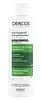 Key Ingredients
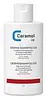
Benefits
Concerns
Ingredients Side-by-side
Water
Skin ConditioningSodium Methyl Cocoyl Taurate
Cleansing
Laureth-5 Carboxylic Acid
CleansingCocamidopropyl Betaine
Cleansing


Sodium Chloride
MaskingBisabolol
Antioxidant





Farnesol
Perfuming

Hexylene Glycol
EmulsifyingLactic Acid
Buffering






PEG-150 Distearate
Emulsifying
PEG-55 Propylene Glycol Oleate
Surfactant
Piroctone Olamine
Preservative
Polyquaternium-10
Propylene Glycol
Humectant
Salicylic Acid
Masking


Sodium Benzoate
Masking
Sodium Hydroxide
BufferingSodium Lauroyl Glutamate
SurfactantParfum
Masking
Water, Sodium Methyl Cocoyl Taurate, Laureth-5 Carboxylic Acid, Cocamidopropyl Betaine, Sodium Chloride, Bisabolol, Farnesol, Hexylene Glycol, Lactic Acid, PEG-150 Distearate, PEG-55 Propylene Glycol Oleate, Piroctone Olamine, Polyquaternium-10, Propylene Glycol, Salicylic Acid, Sodium Benzoate, Sodium Hydroxide, Sodium Lauroyl Glutamate, Parfum
Water
Skin ConditioningSodium Myreth Sulfate
Cleansing
Sodium Cocoamphoacetate
CleansingLaureth-6 Carboxylic Acid
CleansingSodium Chloride
MaskingCeramide NP
Skin Conditioning
Climbazole
Antimicrobial
Niacinamide
Smoothing
Piroctone Olamine
Preservative
PEG-55 Propylene Glycol Oleate
Surfactant
Lauryl Glucoside
CleansingSodium Phytate
Polyquaternium-10
Capryloyl Glycine
CleansingPropylene Glycol
Humectant
Citric Acid
Buffering
Parfum
Masking
Undecylenoyl Glycine
CleansingWater, Sodium Myreth Sulfate, Sodium Cocoamphoacetate, Laureth-6 Carboxylic Acid, Sodium Chloride, Ceramide NP, Climbazole, Niacinamide, Piroctone Olamine, PEG-55 Propylene Glycol Oleate, Lauryl Glucoside, Sodium Phytate, Polyquaternium-10, Capryloyl Glycine, Propylene Glycol, Citric Acid, Parfum, Undecylenoyl Glycine
Reviews
Ingredients Explained
These ingredients are found in both products.
Ingredients higher up in an ingredient list are typically present in a larger amount.
Parfum is a catch-all term for an ingredient or more that is used to give a scent to products.
Also called "fragrance", this ingredient can be a blend of hundreds of chemicals or plant oils. This means every product with "fragrance" or "parfum" in the ingredients list is a different mixture.
For instance, Habanolide is a proprietary trade name for a specific aroma chemical. When used as a fragrance ingredient in cosmetics, most aroma chemicals fall under the broad labeling category of “FRAGRANCE” or “PARFUM” according to EU and US regulations.
The term 'parfum' or 'fragrance' is not regulated in many countries. In many cases, it is up to the brand to define this term.
For instance, many brands choose to label themselves as "fragrance-free" because they are not using synthetic fragrances. However, their products may still contain ingredients such as essential oils that are considered a fragrance by INCI standards.
One example is Calendula flower extract. Calendula is an essential oil that still imparts a scent or 'fragrance'.
Depending on the blend, the ingredients in the mixture can cause allergies and sensitivities on the skin. Some ingredients that are known EU allergens include linalool and citronellol.
Parfum can also be used to mask or cover an unpleasant scent.
The bottom line is: not all fragrances/parfum/ingredients are created equally. If you are worried about fragrances, we recommend taking a closer look at an ingredient. And of course, we always recommend speaking with a professional.
Learn more about ParfumPEG-55 Propylene Glycol Oleate isn't fungal acne safe.
Piroctone Olamine is a synthetic antifungal and preservative ingredient.
Its main job is to keep the yeast, Malassezia, in check; this yeast is linked to dandruff, seborrheic dermatitis, and fungal acne (a.k.a. Malassezia folliculitis).
The way it works is pretty neat:
It slips into the fungal cell and grabs onto iron ions that the yeast needs for its energy metabolism; this basically starves it out. But the full mechanism isn't 100% pinned down and some research also points it to interfering with ergosterol (a building block of the fungal cell membrane).
Besides antifungal action, it also has mild anti-inflammatory and soothing effects to help calm itchiness in the scalp.
Typical usage concentrations are low. The EU permits it to be a preservative up to 1% in rinse-off products and 0.5% in leave-on products.
Though it's generally well-tolerated, a small number of people may notice itching or irritation (as with any active).
Learn more about Piroctone OlaminePolyquaternium-10 is an ammonium salt of hydroxyethylcellulose. It is a white and granular powder used as a film-former and anti-static agent.
This ingredient is commonly found in hair conditioning products. According to a manufacturer, its positive charge makes it great for absorbing hair proteins. The manufacturer also states this ingredient helps with curl retention.
For haircare friends: this ingredient is not a silicone.
Learn more about Polyquaternium-10Propylene Glycol is a synthetic, colorless, odorless liquid that has been a staple in cosmetics for decades. It is a skin conditioning agent, humectant, and solvent.
As a humectant, it draw water to the skin to reduce flaking and restore suppleness. It's also a solvent that helps dissolve other actives and keeps formulas stable across temperature changes.
The CIR Expert Panel has confirmed this ingredient to be nontoxic and clinical studies show no sensitization at cosmetic use concentrations.
True allergic reactions are quite rare: a 15-year retrospective study of 6,751 patients found only 0.31% had a positive reaction (and less than half were considered clinically relevant).
It seemed that when sensitization does occur, it's most commonly linked to topical medication (like corticosteroids) and not cosmetics. Allergic contact dermatitis also appears largely limited to individuals with underlying skin conditions.
Overall, propylene glycol is a well-studied ingredient that most people can tolerate without issue.
Learn more about Propylene GlycolChances are, you eat sodium chloride every day. Sodium Chloride is also known as table salt. This ingredient has many purposes in skincare: thickener, emulsifier, and exfoliator.
You'll most likely find this ingredient in cleansers where it is used to create a gel-like texture. As an emulsifier, it also prevents ingredients from separating.
You might see people debate whether Sodium Chloride is comedogenic, but there actually haven't been any comedogenic tests done on it. Either way, the overall formulation of a product matters a lot more than any single ingredient.
You might see this ingredient used in scrubs as a primary exfoliating ingredient.
Learn more about Sodium ChlorideWater. It's the most common cosmetic ingredient of all. You'll usually see it at the top of ingredient lists, meaning that it makes up the largest part of the product.
So why is it so popular? Water most often acts as a solvent - this means that it helps dissolve other ingredients into the formulation.
You'll also recognize water as that liquid we all need to stay alive. If you see this, drink a glass of water. Remember to stay hydrated!
Learn more about Water

