
What's inside
What's inside
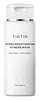 Key Ingredients
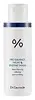
Benefits
Concerns
Ingredients Side-by-side
Zea Mays Starch
Absorbent
Potassium Myristate
EmulsifyingSodium Cocoyl Glycinate
Cleansing
Mannitol
Humectant
Papain
Skin Conditioning

Allantoin
Skin Conditioning


Dipotassium Glycyrrhizate
Humectant
Bromelain
Skin Conditioning
Phaseolus Radiatus Seed Powder
Gluconolactone
Chelating




Water
Skin ConditioningLactobacillus Ferment Lysate
Skin Conditioning
Saccharomyces Ferment Filtrate
Humectant

Lactococcus Ferment Lysate
Skin Conditioning
Bifida Ferment Filtrate
Skin Conditioning
Bifida Ferment Lysate
Skin Conditioning
1,2-Hexanediol
Skin Conditioning
Oryza Sativa Extract
Absorbent
Protease
Exfoliating
Zea Mays Starch, Potassium Myristate, Sodium Cocoyl Glycinate, Mannitol, Papain, Allantoin, Dipotassium Glycyrrhizate, Bromelain, Phaseolus Radiatus Seed Powder, Gluconolactone, Water, Lactobacillus Ferment Lysate, Saccharomyces Ferment Filtrate, Lactococcus Ferment Lysate, Bifida Ferment Filtrate, Bifida Ferment Lysate, 1,2-Hexanediol, Oryza Sativa Extract, Protease
Zea Mays Starch
Absorbent
Sodium Cocoyl Isethionate
Cleansing
Sodium Lauroyl Glutamate
SurfactantSodium Palmitate
CleansingDiglycerin
Humectant
Ulmus Davidiana Root Extract
Skin Conditioning
Amaranthus Caudatus Seed Extract
Skin Conditioning
Citrus Aurantium Dulcis Oil
Masking
Citrus Nobilis Peel Oil
Masking
Litsea Cubeba Fruit Oil
Masking


Citric Acid
Buffering
Charcoal Powder
Abrasive
Allantoin
Skin Conditioning
Water
Skin ConditioningButylene Glycol
Humectant
Protease
Exfoliating
Lactobacillus Ferment
Skin Conditioning
Lactobacillus Ferment Lysate
Skin Conditioning
Lactococcus Ferment Lysate
Skin Conditioning
Bifida Ferment Filtrate
Skin Conditioning
Bifida Ferment Lysate
Skin Conditioning
Tropolone
Skin ConditioningSaccharomyces Ferment Filtrate
Humectant
1,2-Hexanediol
Skin Conditioning
Caprylyl Glycol
Emollient
Zea Mays Starch, Sodium Cocoyl Isethionate, Sodium Lauroyl Glutamate, Sodium Palmitate, Diglycerin, Ulmus Davidiana Root Extract, Amaranthus Caudatus Seed Extract, Citrus Aurantium Dulcis Oil, Citrus Nobilis Peel Oil, Litsea Cubeba Fruit Oil, Citric Acid, Charcoal Powder, Allantoin, Water, Butylene Glycol, Protease, Lactobacillus Ferment, Lactobacillus Ferment Lysate, Lactococcus Ferment Lysate, Bifida Ferment Filtrate, Bifida Ferment Lysate, Tropolone, Saccharomyces Ferment Filtrate, 1,2-Hexanediol, Caprylyl Glycol
Reviews
Ingredients Explained
These ingredients are found in both products.
Ingredients higher up in an ingredient list are typically present in a larger amount.
1,2-Hexanediol is a synthetic liquid and another multi-functional powerhouse.
It is a:
- Humectant, drawing moisture into the skin
- Emollient, helping to soften skin
- Solvent, dispersing and stabilizing formulas
- Preservative booster, enhancing the antimicrobial activity of other preservatives
Allantoin is a soothing ingredient known for its protective and moisturizing properties; it's basically a quiet workhorse ingredient you can find in a huge range of cosmetics.
Though it can be derived from the comfrey plant, allantoin is produced synthetically for cosmetic products to ensure purity.
Research shows it can encourage your skin cells to turn over and renew by stimulating keratinocyte and fibroblast proliferation.
It also has mild keratolytic properties to help loosen and shed dead skin cells without being harsh.
Studies also suggest allantoin can help calm inflammation by dialing down some of the chemical signals your skin sends out when it is irritated.
This ingredient is typically used in the 0.1-0.5% range, and the FDA recognizes it as a skin protectant in OTC products up to 2%.
Overall, allantoin is a wonderful addition to most routines; it is stable across a wide pH range (~4-8), works well with other ingredients, and is considered non-sensitizing/non-irritating.
Fun fact: Allantoin is naturally occurring in comfrey root, beets, chamomile, and wheat sprouts. Our bodies even produce it as a byproduct of uric acid metabolism.
Learn more about AllantoinThis ingredient is a postbiotic made by fermenting Bifidobacterium (a probiotic bacteria) and then filtering out the liquid portion. It has skin conditioning properties.
Much of the evidence for this ingredient is borrowed from the lysate form of this ingredient, which has a much stronger research base.
This ingredient is generally considered fungal acne (Malassezia) safe; Bifidobacterium is a bacterium, not a yeast or fungus.
The fungal acne concern with fermented ingredients mainly applies to yeast-derived ferments like Saccharomyces and Galactomyces, because those are in the same kingdom as Malassezia and could theoretically contain residual compounds that feed it.
Bifida is a completely different organism, so on its own it doesn't provide a food source for the Malassezia yeast that causes fungal acne.
Learn more about Bifida Ferment FiltrateBifida Ferment Lysate is a postbiotic ingredient made by fermenting Bifidobacterium to extract a nutrient-rich mix of peptides, amino acids, vitamins, organic acids, and polysaccharides.
These components are basically the building blocks that your skin already uses to stay hydrated, repair itself, and maintain its barrier. That's why this ingredient helps your skin hold onto moisture and stay resilient against irritation.
One in-vitro study found that this ingredient tells your skin cells to produce more of the proteins (filaggrin, loricrin, and involucrin) for building a strong and healthy barrier. This study also found this ingredient to be a solid antioxidant that helped neutralize damage against UV and pollution.
A study with people from 2010 found that sensitive, reactive skin using a cream with 10% of this ingredient for a month became noticeably less dry, less reactive, and harder to irritate compared to the group using a plain cream.
In short, this ingredient is a well-tolerated ingredient that can help with barrier repair, antioxidant protection, and calming reactive skin.
This ingredient is generally considered fungal acne (Malassezia) safe; Bifidobacterium is a bacterium, not a yeast or fungus.
The fungal acne concern with fermented ingredients mainly applies to yeast-derived ferments like Saccharomyces and Galactomyces, because those are in the same kingdom as Malassezia and could theoretically contain residual compounds that feed it.
Bifida is a completely different organism, so on its own it doesn't provide a food source for the Malassezia yeast that causes fungal acne.
Learn more about Bifida Ferment LysateLactobacillus Ferment Lysate is a postbiotic with skin soothing properties. Postbiotics are inactive molecules produced by probiotic bacteria that provide skin benefits.
This ingredient comes from the secretion of the bacteria, Lactobacillus.
Studies show this ingredient can help calm redness and may help treat the signs of photoaging; however, the evidence is inconclusive and further studies are needed.
Lactobacillus Ferment is generally considered safe for fungal-acne prone skin. The key thing to understand is that it comes from bacteria, not yeast or fungus.
Yeast-derived ferments (like galactomyces) have been shown to activate a protein that's linked to Malassezia-related skin issues whereas lactobacillus doesn't have that problem.
Its byproducts also don't contain the types of fatty acids (C11-24 chain lengths) that Malassezia feeds on.
Learn more about Lactobacillus Ferment LysateLactococcus Ferment Lysate is a postbiotic created by fermenting Lactoccus lactis, a type of bacteria more commonly used to create Lactic acid.
Postbiotics are inactive molecules produced by probiotic bacteria that provide skin benefits.
This ingredient offers promising benefits, but it is relatively new and more evidence is needed to prove its efficacy. The manufacturer claims this ingredient:
A study from 2022 found this ingredient helped protect skin against damaged from UV exposure (though this should not replace your sunscreen!).
The lysate in the ingredient name refers to a fluid that forms from breaking down the cell membrane.
Learn more about Lactococcus Ferment LysateProtease is an enzyme that works as a gentle exfoliant by mimicking something your skin already does naturally.
Your skin uses proteolytic enzymes to carry out desquamation; this is the process of shedding dead skin cells from the stratum corneum.
In skincare, proteases act as biological catalysts that mimic this natural desquamation process. You can think of it as giving your skin's own renewal system a nudge.
By breaking down the bonds that hold dead skin cells together, proteases help accelerate cell turnover to:
One reason they're becoming a popular AHA alternative is because proteases are considered effective while also being well-tolerated on skin. Because they work at a protein level rather than by lowering the skin pH, they can be a good option for those sensitive to AHAs.
Available in vitro and in vivo studies show positive exfoliant results but clinical (human) trials specifically on enzymatic exfoliation are still limited at this time.
Just one thing worth noting: temperature, pH, and stabilization are important factors that affect enzyme activity. The formulation quality definitely matters with this ingredient.
This ingredient can be either microbial sourced or plant-derived (papain from papaya, bromelain from pineapple).
Learn more about ProteaseSaccharomyces Ferment Filtrate is the watery, nutrient-rich liquid left over after you ferment a yeast (genus Saccharomyces).
The yeast cells themselves are filtered out so you're getting the "broth" of skin-friendly molecules: amino acids, peptides, minerals, vitamins, organic acids, and beta-glucan.
Evidence-wise, its relatives (like Galactomyces) are the ones with the most published lab work. Keratinocyte studies show these ferments can boost barrier-related markers. This ingredient is generally assumed to behave similarly thanks to its overlapping composition.
This ingredient may not be fungal acne safe because its a fermentation filtrate. The exact composition is batch-variable and can include fatty acids and lipids byproducts.
Learn more about Saccharomyces Ferment FiltrateWater. It's the most common cosmetic ingredient of all. You'll usually see it at the top of ingredient lists, meaning that it makes up the largest part of the product.
So why is it so popular? Water most often acts as a solvent - this means that it helps dissolve other ingredients into the formulation.
You'll also recognize water as that liquid we all need to stay alive. If you see this, drink a glass of water. Remember to stay hydrated!
Learn more about WaterZea Mays Starch is starch made from corn. You might know this as cornstarch . It is used to thicken a product. It can replace talc as an absorbent.
The pH of cornstarch is 5.92.
Cornstarch is a common food ingredient used to thicken soups or to make corn syrup.
Learn more about Zea Mays Starch

