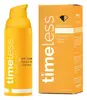
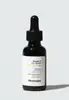
Timeless Skin Care 20% Vitamin C + E Ferulic Acid Serum Versus Minimalist Vitamin C + E + Ferulic 16%
This brightening serum is formulated around Ascorbic Acid and Tocopherol to brighten dull-looking skin and soften the look of wrinkles.
This brightening serum is formulated around 3-O-Ethyl Ascorbic Acid and Ferulic Acid to brighten dull-looking skin and fade the look of dark spots.


What's inside
What's inside
 Key Ingredients
Benefits
Concerns
Ingredients Side-by-side









Water
Skin Conditioning3-O-Ethyl Ascorbic Acid
Skin Conditioning





Dimethyl Isosorbide
SolventButylene Glycol
Humectant

Ethoxydiglycol
HumectantSodium Citrate
BufferingCitric Acid
Buffering

1,2-Hexanediol
Skin Conditioning
Sodium Gluconate
Skin ConditioningFerulic Acid
Antimicrobial

Coceth-7
EmulsifyingPhenoxyethanol
Preservative
PPG-1-PEG-9 Lauryl Glycol Ether
EmulsifyingFullerenes
AntimicrobialTocopheryl Acetate
Antioxidant
Ethylhexylglycerin
Skin ConditioningPEG-40 Hydrogenated Castor Oil
Emulsifying

Pvp
Emulsion StabilisingTrisodium Ethylenediamine Disuccinate
Water, 3-O-Ethyl Ascorbic Acid, Dimethyl Isosorbide, Butylene Glycol, Ethoxydiglycol, Sodium Citrate, Citric Acid, 1,2-Hexanediol, Sodium Gluconate, Ferulic Acid, Coceth-7, Phenoxyethanol, PPG-1-PEG-9 Lauryl Glycol Ether, Fullerenes, Tocopheryl Acetate, Ethylhexylglycerin, PEG-40 Hydrogenated Castor Oil, Pvp, Trisodium Ethylenediamine Disuccinate
Reviews
Ingredients Explained
These ingredients are found in both products.
Ingredients higher up in an ingredient list are typically present in a larger amount.
Ethoxydiglycol (aka Diethylene Glycol Monoethyl Ether) is one of the cosmetic world's quiet problem solvers.
In a formula, it is a solvent that dissolves tricky ingredients that don't want to mix in and helps spread ingredients evenly across your skin without leaving a greasy or sticky feeling
This makes it great for hard-to-dissolve actives like vitamin C, benzoyl peroxide, and self-tanner DHA.
It also has mild humectant and penetration enhancer abilities so it can help some actives absorb a little deeper.
The penetration boost is backed by lab research: studies using human skin samples found it improved how well an active dissolves into the upper layer of skin rather than tearing down your skin barrier. Reviews of its mechanism also describe it interacting gently with the lipids and water in your outermost layer of skin.
Just know this penetration-enhancing effect is not universal. It helps a lot in some formulas and did very little in others (so the benefit really depends on the specific product).
Safety-wise, the evidence is reassuring. The Cosmetic Ingredient Review Expert Panel reviewed it and concluded it's safe for use in cosmetics and recognized it as non-irritating, non-sensitizing, and non-comedogenic in skincare.
Typical leave-on skincare usage lands around 1-10%. The EU has sets caps of 2.6% in non-spray products, 10% in rinse-offs, 7% in oxidative hair dye, and 5% in non-oxidative hair dye.
Learn more about EthoxydiglycolFerulic Acid is a plant based antioxidant that can be naturally found in the cell walls of grains like rice, oats, and corn. It has antioxidant and antimicrobial properties, and has the ability to boost the performance of other antioxidants as well.
A well-known study found that adding Ferulic Acid to a solution of Vitamins C and E doubled the photoprotection of skin. This is why you'll often see it paired with Vitamin C or Vitamin E serums rather than sold on its own.
A 2025 review of 18 human studies found that using Ferulic Acid (0.5-1%) daily for one to three months showed improvements in:
As far as allergies go, Ferulic acid is generally well-tolerated but can cause an allergic reaction in very rare cases. It's also worth noting that Ferulic acid is often extracted from plant sources like rice bran or wheat bran, so be sure to path test if you have known grain allergies.
Outside of skincare, researchers are also looking into Ferulic Acid for its potential benefits in areas like diabetes, Alzheimer's, and heart health.
Learn more about Ferulic AcidWater. It's the most common cosmetic ingredient of all. You'll usually see it at the top of ingredient lists, meaning that it makes up the largest part of the product.
So why is it so popular? Water most often acts as a solvent - this means that it helps dissolve other ingredients into the formulation.
You'll also recognize water as that liquid we all need to stay alive. If you see this, drink a glass of water. Remember to stay hydrated!
Learn more about Water

