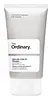
This wash off mask is formulated around Salicylic Acid to clear breakouts and unclog pores.
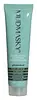
This oil-control exfoliator is formulated around Bentonite to balance excess oil and refine the look of pores.


What's inside
What's inside
 Key Ingredients
Benefits
Concerns
Ingredients Side-by-side
Water
Skin ConditioningKaolin
Abrasive



Squalane
Emollient


Glycerin
Humectant
Dimethyl Isosorbide
SolventSilica Cetyl Silylate
Salicylic Acid
Masking







Sodium Polyacrylate
Absorbent
Pentylene Glycol
Skin Conditioning
Charcoal Powder
Abrasive
4-T-Butylcyclohexanol
Masking



Sclerotium Gum
Emulsion StabilisingAcacia Senegal Gum
MaskingXanthan Gum
EmulsifyingPhytic Acid
Chelating
Polysorbate 20
Emulsifying
Trisodium Ethylenediamine Disuccinate
ChelatingChlorphenesin
Antimicrobial
Phenoxyethanol
Preservative
Water, Kaolin, Squalane, Glycerin, Dimethyl Isosorbide, Silica Cetyl Silylate, Salicylic Acid, Sodium Polyacrylate, Pentylene Glycol, Charcoal Powder, 4-T-Butylcyclohexanol, Sclerotium Gum, Acacia Senegal Gum, Xanthan Gum, Phytic Acid, Polysorbate 20, Trisodium Ethylenediamine Disuccinate, Chlorphenesin, Phenoxyethanol
Water
Skin ConditioningMontmorillonite
AbsorbentBentonite
Absorbent
Moroccan Lava Clay
Abrasive
Camellia Sinensis Callus
Antimicrobial
Polysorbate 20
Emulsifying
Maris Sal
Skin ConditioningBetaine
Humectant
Bambusa Arundinacea Stem Extract
Skin ConditioningPhenoxyethanol
Preservative
Propylene Glycol
Humectant
Hydrolyzed Collagen
Emollient
Xanthan Gum
EmulsifyingCitric Acid
Buffering
Allantoin
Skin Conditioning
Ethylhexylglycerin
Skin ConditioningParfum
Masking
Tocopheryl Acetate
Antioxidant
Camellia Sinensis Leaf Extract
Antimicrobial
Phenethyl Alcohol
MaskingCaprylyl Glycol
Emollient
Cucumis Sativus Fruit Extract
Emollient
Arnica Montana Flower Extract
Masking
Hedera Helix Extract
AntimicrobialMalva Sylvestris Flower Extract
Skin ConditioningParietaria Officinalis Extract
EmollientSambucus Nigra Extract
Skin ConditioningWater, Montmorillonite, Bentonite, Moroccan Lava Clay, Camellia Sinensis Callus, Polysorbate 20, Maris Sal, Betaine, Bambusa Arundinacea Stem Extract, Phenoxyethanol, Propylene Glycol, Hydrolyzed Collagen, Xanthan Gum, Citric Acid, Allantoin, Ethylhexylglycerin, Parfum, Tocopheryl Acetate, Camellia Sinensis Leaf Extract, Phenethyl Alcohol, Caprylyl Glycol, Cucumis Sativus Fruit Extract, Arnica Montana Flower Extract, Hedera Helix Extract, Malva Sylvestris Flower Extract, Parietaria Officinalis Extract, Sambucus Nigra Extract
Reviews
Ingredients Explained
These ingredients are found in both products.
Ingredients higher up in an ingredient list are typically present in a larger amount.
Phenoxyethanol is one of the most widely used preservatives in skincare (and for good reason!).
It has a large spectrum of antimicrobial activity and especially effective bacteria, yeast, and mold while only having a weak effect on your skin's natural microbiome.
On a cellular level, it disrupts the cell membranes of microbes by poking holes that make the cell leak. This shuts down the chemical reactions the microbe needs to make energy so it can no longer survive.
Another perk of this ingredient is that it stays functional across a wide pH range (3-10).
You'll often see it paired with boosters like Ethylhexylglycerin; one study showed that a 1:9 ratio of Ethylhexylglycerin to Phenoxyethanol damages bacterial membranes as effectively as doubling the Phenoxyethanol concentration on its own.
Typical use concentrations range from 0.3-1% depending on the formula, and this ingredient is capped at 1% int the EU.
Safety-wise, the fear mongering does not hold up to the evidence. The EU's Scientific Committee on Consumer Safety and FDA consider it safe as a preservative at up to 1%, including for children of all ages.
Adverse systemic effects only showed up in animal studies at exposures roughly 200x higher than what people get from cosmetics. And despite its very widespread use, this ingredient is a rare sensitizer and allergic reactions are uncommon.
Learn more about PhenoxyethanolPolysorbate 20 is a gentle, water-soluble emulsifier and mild surfactant. It stops oil and water from separating to keep your formulas blended and stable.
It also acts as a mild penetration enhancer by helping active ingredients absorb slightly better.
The common safety discussion around this ingredient involves a manufacturing byproduct called 1,4-dioxane.
Trace amounts can form during production but the EU's Scientific Committee on Consumer Safety has concluded that levels at/below 10 ppm in finished products are safe (commercial products consistently fall within acceptable margins).
True allergic reactions are uncommon and the CIR Expert Panel has confirmed this ingredient to be safe as used in cosmetics.
Because it is derived from lauric acid, it may not be fungal acne safe.
Learn more about Polysorbate 20Water. It's the most common cosmetic ingredient of all. You'll usually see it at the top of ingredient lists, meaning that it makes up the largest part of the product.
So why is it so popular? Water most often acts as a solvent - this means that it helps dissolve other ingredients into the formulation.
You'll also recognize water as that liquid we all need to stay alive. If you see this, drink a glass of water. Remember to stay hydrated!
Learn more about WaterXanthan gum is used as a stabilizer and thickener within cosmetic products. It helps give products a sticky, thick feeling - preventing them from being too runny.
On the technical side of things, xanthan gum is a polysaccharide - a combination consisting of multiple sugar molecules bonded together.
Xanthan gum is a pretty common and great ingredient. It is a natural, non-toxic, non-irritating ingredient that is also commonly used in food products.
Learn more about Xanthan Gum

