
What's inside
What's inside
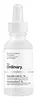 Key Ingredients
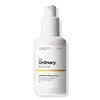
Benefits
Concerns
Ingredients Side-by-side
Water
Skin ConditioningSodium Hyaluronate
Humectant




Pentylene Glycol
Skin Conditioning
Propanediol
Solvent
Sodium Hyaluronate Crosspolymer
Humectant
Panthenol
Skin Conditioning
Ahnfeltia Concinna Extract
Skin ConditioningGlycerin
Humectant
Trisodium Ethylenediamine Disuccinate
Citric Acid
Buffering


Isoceteth-20
EmulsifyingEthoxydiglycol
HumectantEthylhexylglycerin
Skin ConditioningHexylene Glycol
Emulsifying1,2-Hexanediol
Skin Conditioning
Phenoxyethanol
Preservative
Caprylyl Glycol
Emollient
Water, Sodium Hyaluronate, Pentylene Glycol, Propanediol, Sodium Hyaluronate Crosspolymer, Panthenol, Ahnfeltia Concinna Extract, Glycerin, Trisodium Ethylenediamine Disuccinate, Citric Acid, Isoceteth-20, Ethoxydiglycol, Ethylhexylglycerin, Hexylene Glycol, 1,2-Hexanediol, Phenoxyethanol, Caprylyl Glycol
Butyl Methoxydibenzoylmethane 3%
UV Absorber
Homosalate 7%
Skin Conditioning
Ethylhexyl Salicylate 4.5%
UV Absorber
Octocrylene 10%
UV Absorber

Water
Skin ConditioningBehenyl Acrylate
Biosaccharide Gum-2
Skin ConditioningButyloctyl Salicylate
Skin Conditioning
Chlorphenesin
Antimicrobial
Diethylhexyl 2,6-Naphthalate
EmollientDimethicone/Vinyl Dimethicone Crosspolymer
Skin Conditioning
Glycerin
Humectant
Isododecane
EmollientMagnesium Sulfate
Acetyl Carnosine
Skin ProtectingP-Anisic Acid
Masking
Pentylene Glycol
Skin Conditioning
Phenoxyethanol
Preservative
Propanediol
Solvent
Sodium Citrate
BufferingPhospholipids
Skin Conditioning
Sphingolipids
Emollient
Tocopherol
Antioxidant


Tri (Polyglyceryl-3/Lauryl) Hydrogenated Trilinoleate
EmulsifyingTrisodium Ethylenediamine Disuccinate
Butyl Methoxydibenzoylmethane 3%, Homosalate 7%, Ethylhexyl Salicylate 4.5%, Octocrylene 10%, Water, Behenyl Acrylate, Biosaccharide Gum-2, Butyloctyl Salicylate, Chlorphenesin, Diethylhexyl 2,6-Naphthalate, Dimethicone/Vinyl Dimethicone Crosspolymer, Glycerin, Isododecane, Magnesium Sulfate, Acetyl Carnosine, P-Anisic Acid, Pentylene Glycol, Phenoxyethanol, Propanediol, Sodium Citrate, Phospholipids, Sphingolipids, Tocopherol, Tri (Polyglyceryl-3/Lauryl) Hydrogenated Trilinoleate, Trisodium Ethylenediamine Disuccinate
Reviews
Alternatives
Ingredients Explained
These ingredients are found in both products.
Ingredients higher up in an ingredient list are typically present in a larger amount.
Glycerin (or glycerol) is a compound naturally found in your skin. It's a powerhouse humectant that pulls water into the stratum corneum.
Topically, glycerin does several things at once:
Your skin makes glycerin on its own (mostly from sebaceous oil breakdown) and shuttles it to your outermost layer of skin, or your epidermis, via aquaporin-3.
Aquaporin-3 is a transporter that is essential for normal skin hydration, elasticity, and repair. Interestingly, mice lacking in AQP3 have dry and less elastic skin that can be fully corrected with glycerin.
This ingredient is non-irritating, plays well with almost every ingredient, and works across all skin types. Typical use is anywhere between 3-10% but can go up to 79% in some leave-on products.
Just know very high concentrations (>40%) can feel tacky in low humidity.
Glycerin is the name for this ingredient in American English. British English uses Glycerol/Glycerine.
Learn more about GlycerinPentylene glycol is typically used within a product to thicken it. It also adds a smooth, soft, and moisturizing feel to the product. It is naturally found in plants such as sugar beets.
The hydrophilic trait of Pentylene Glycol makes it a humectant. As a humectant, Pentylene Glycol helps draw moisture from the air to your skin. This can help keep your skin hydrated.
This property also makes Pentylene Glycol a great texture enhancer. It can also help thicken or stabilize a product.
Pentylene Glycol also acts as a mild preservative and helps to keep a product microbe-free.
Some people may experience mild eye and skin irritation from Pentylene Glycol. We always recommend speaking with a professional about using this ingredient in your routine.
Pentylene Glycol has a low molecular weight and is part of the 1,2-glycol family.
Learn more about Pentylene GlycolPhenoxyethanol is a preservative that has germicide, antimicrobial, and aromatic properties. Studies show that phenoxyethanol can prevent microbial growth. By itself, it has a scent that is similar to that of a rose.
It's often used in formulations along with Caprylyl Glycol to preserve the shelf life of products.
Propanediol is an all-star ingredient. It softens, hydrates, and smooths the skin.
It’s often used to:
Propanediol is not likely to cause sensitivity and considered safe to use. It is derived from corn or petroleum with a clear color and no scent.
Learn more about PropanediolTrisodium Ethylenediamine Disuccinate is used to help stabilize a product.
It is a chelating agent, meaning it helps prevent metal ions from binding to other ingredients. This prevents unwanted reactions in products. Metal ions can come into a product via the water ingredient. They are found in trace amounts and are not known to be harmful.
Water. It's the most common cosmetic ingredient of all. You'll usually see it at the top of ingredient lists, meaning that it makes up the largest part of the product.
So why is it so popular? Water most often acts as a solvent - this means that it helps dissolve other ingredients into the formulation.
You'll also recognize water as that liquid we all need to stay alive. If you see this, drink a glass of water. Remember to stay hydrated!
Learn more about Water
