

What's inside
What's inside
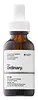 Key Ingredients
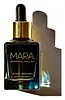
Benefits
Concerns
Ingredients Side-by-side
Caprylic/Capric Triglyceride
Masking


Squalane
Emollient
Crambe Abyssinica Seed Oil
Skin Conditioning

Bisabolol
Antioxidant



Simmondsia Chinensis Seed Oil
Emollient
Ethylhexyl Stearate
Emollient

Isochrysis Galbana Extract
Skin ConditioningAdansonia Digitata Seed Oil
Emollient
Argania Spinosa Kernel Oil
Emollient

Borago Officinalis Seed Oil
Emollient
Rosa Canina Seed Oil
Emollient
Sclerocarya Birrea Seed Oil
Humectant
Oenocarpus Bataua Fruit Oil
Emollient
Plukenetia Volubilis Seed Oil
Emollient
Bertholletia Excelsa Seed Oil
Emollient
Solanum Lycopersicum Fruit Extract
Antioxidant
Hydroxymethoxyphenyl Decanone
Skin ConditioningRosmarinus Officinalis Leaf Extract
AntimicrobialTocopherol
Antioxidant

Caprylic/Capric Triglyceride, Squalane, Crambe Abyssinica Seed Oil, Bisabolol, Simmondsia Chinensis Seed Oil, Ethylhexyl Stearate, Isochrysis Galbana Extract, Adansonia Digitata Seed Oil, Argania Spinosa Kernel Oil, Borago Officinalis Seed Oil, Rosa Canina Seed Oil, Sclerocarya Birrea Seed Oil, Oenocarpus Bataua Fruit Oil, Plukenetia Volubilis Seed Oil, Bertholletia Excelsa Seed Oil, Solanum Lycopersicum Fruit Extract, Hydroxymethoxyphenyl Decanone, Rosmarinus Officinalis Leaf Extract, Tocopherol
Helianthus Annuus Seed Oil
Emollient
Moringa Oleifera Seed Oil
Emollient
Vitis Vinifera Seed Oil
Emollient
Linum Usitatissimum Seed Oil
Perfuming
Vaccinium Myrtillus Seed Oil
Skin Conditioning
Caprylic/Capric Triglyceride
Masking
Citrullus Lanatus Seed Oil
Emollient
Adansonia Digitata Seed Oil
Emollient
Citrus Aurantium Bergamia Fruit Oil
Masking
Citrus Aurantium Amara Peel Oil
Skin Conditioning
Alaria Esculenta Extract
Skin ProtectingPlankton Extract
Skin ConditioningTocopherol
Antioxidant
Limonene
Perfuming


Linalool
Perfuming
Farnesol
Perfuming
Geraniol
Perfuming
Helianthus Annuus Seed Oil, Moringa Oleifera Seed Oil, Vitis Vinifera Seed Oil, Linum Usitatissimum Seed Oil, Vaccinium Myrtillus Seed Oil, Caprylic/Capric Triglyceride, Citrullus Lanatus Seed Oil, Adansonia Digitata Seed Oil, Citrus Aurantium Bergamia Fruit Oil, Citrus Aurantium Amara Peel Oil, Alaria Esculenta Extract, Plankton Extract, Tocopherol, Limonene, Linalool, Farnesol, Geraniol
Reviews
Ingredients Explained
These ingredients are found in both products.
Ingredients higher up in an ingredient list are typically present in a larger amount.
Baobab seed oil is an emollient. It is rich in fatty acids and vitamins A, E, and D.
The fatty acid content of this oil is roughly 30-40% oleic acid, 24-34% linoleic acid, and 18-30% palmitic acid. This gives it skin hydrating and nourishing properties.
Due to this fatty acid content, this ingredient may not be fungal-acne safe.
Fun fact: Our skin uses fatty acids, and especially linoleic acid, for creating ceramides.
Learn more about Adansonia Digitata Seed OilThis ingredient is a lightweight emollient, solvent, and texture enhancer. It is considered a skin-softener by helping the skin prevent moisture loss.
It helps thicken a product's formula and makes it easier to spread by dissolving clumping compounds.
Caprylic Triglyceride is made by combining glycerin with coconut oil, forming a clear liquid. Though it behaves like an oil, it is not technically one due to its chemical composition. It is very stable, resistant to oxidation, and unlikely to go rancid. In practice, that translates to a long shelf life and a consistently elegant skin feel.
While there is an assumption Caprylic Triglyceride can clog pores due to it being derived from coconut oil, there is no research supporting this. Be sure to patch test if you have concerns.
Fractionated coconut oil and MCT Oil are both listed as Caprylic/Capric Triglyceride according to INCI. This is because INCI names are based on the ingredient’s final chemical composition and not its marketing name or source.
Learn more about Caprylic/Capric TriglycerideTocopherol is a fat-soluble antioxidant known as Vitamin E.
You'll find this ingredient in the vast majority of skincare (for good reason). It works to neutralize free radicals, or unstable molecules generated by UV exposure, pollution, and other environmental stressors, before they can cause oxidative damage to your skin cells.
Topically applied tocopherol has been shown to protect against UV damage by ramping up the skin's own natural defense enzymes.
It also acts as a skin conditioning agent; some studies show that regular topical use can improve the skin's water-binding capacity over 2-4 weeks.
This ingredient is especially loved for being a team player. When combined with Vitamin C, the photoprotective effect of both ingredients roughly doubles and the combo also helps reduce UV-induced DNA damage.
This ingredient has some brightening potential but it's more of a prevention ingredient than spot-fader. Cell studies show it can slow down melanin production but it's worth noting that it's not the most powerful brightener out there.
In formulations, it also serves as a stabilizer that helps protect other oxidation-prone ingredients from degrading.
Concentrations usually range from 0.1-1% in most leave-on products.
Learn more about Tocopherol
