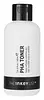
This smoothing toner is formulated around Gluconolactone and Niacinamide to refine skin texture and brighten dull-looking skin.
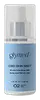
This calming toner is formulated around Aloe Barbadensis Leaf Juice and Niacinamide to calm redness and hydrate skin.


What's inside
What's inside
 Key Ingredients
Benefits
Concerns
Ingredients Side-by-side
Water
Skin ConditioningPropanediol
Solvent

Gluconolactone 3%
Chelating







Niacinamide 3%
Smoothing



Pentylene Glycol
Skin Conditioning
Glycerin
Humectant
Aloe Barbadensis Leaf Juice
Skin Conditioning
Potassium Sorbate
Preservative
Sodium Benzoate
Masking
PPG-26-Buteth-26
Skin ConditioningPEG-40 Hydrogenated Castor Oil
Emulsifying


1,2-Hexanediol
Skin Conditioning
Caprylyl Glycol
Emollient
Ethylhexylglycerin
Skin ConditioningCitric Acid
Buffering
Sodium Hydroxide
BufferingAloe Barbadensis Leaf Juice
Skin Conditioning
Glycerin
Humectant
PPG-26-Buteth-26
Skin ConditioningPEG-40 Hydrogenated Castor Oil
Emulsifying
Pentylene Glycol
Skin Conditioning
Niacinamide
Smoothing
Propanediol
Solvent
Panthenol
Skin Conditioning
Phenoxyethanol
Preservative
Caprylyl Glycol
Emollient
Saccharum Officinarum Extract
MoisturisingEthylhexylglycerin
Skin ConditioningHexylene Glycol
EmulsifyingCitrus Tangerina Peel Oil
Masking
Epilobium Angustifolium Flower/Leaf/Stem Extract
Skin ConditioningGlycosaminoglycans
EmollientSodium Hyaluronate
Humectant
Camellia Sinensis Leaf Extract
Antimicrobial
Citrus Aurantium Dulcis Fruit Extract
MaskingPyrus Malus Fruit Extract
Skin Conditioning
Symphytum Officinale Rhizome/Root Extract
Skin ConditioningCucumis Sativus Fruit Extract
Emollient
Lycium Barbarum Fruit Extract
Astringent
Coffea Arabica Seed Extract
Masking
Euterpe Oleracea Fruit Extract
Morinda Citrifolia Extract
AstringentPunica Granatum Fruit Extract
Antioxidant
Garcinia Mangostana Fruit Extract
Skin ConditioningCitrus Limon Fruit Extract
Masking
Cannabis Sativa Seed/Stem Oil
Citrus Aurantium Dulcis Peel Oil
Masking
Citrus Grandis Peel Oil
Masking



Aloe Barbadensis Leaf Juice, Glycerin, PPG-26-Buteth-26, PEG-40 Hydrogenated Castor Oil, Pentylene Glycol, Niacinamide, Propanediol, Panthenol, Phenoxyethanol, Caprylyl Glycol, Saccharum Officinarum Extract, Ethylhexylglycerin, Hexylene Glycol, Citrus Tangerina Peel Oil, Epilobium Angustifolium Flower/Leaf/Stem Extract, Glycosaminoglycans, Sodium Hyaluronate, Camellia Sinensis Leaf Extract, Citrus Aurantium Dulcis Fruit Extract, Pyrus Malus Fruit Extract, Symphytum Officinale Rhizome/Root Extract, Cucumis Sativus Fruit Extract, Lycium Barbarum Fruit Extract, Coffea Arabica Seed Extract, Euterpe Oleracea Fruit Extract, Morinda Citrifolia Extract, Punica Granatum Fruit Extract, Garcinia Mangostana Fruit Extract, Citrus Limon Fruit Extract, Cannabis Sativa Seed/Stem Oil, Citrus Aurantium Dulcis Peel Oil, Citrus Grandis Peel Oil
Reviews
Ingredients Explained
These ingredients are found in both products.
Ingredients higher up in an ingredient list are typically present in a larger amount.
Aloe Barbadensis Leaf Juice is the filtered, stabilized liquid pressed from the inner gel of the aloe vera leaf.
In cosmetics, it shows up as either soothing active or a water-replacement base. It is roughly 98-99% water and the last 1-2% is an interesting mix of polysaccharides, amino acids, vitamins, minerals, and enzymes.
The polysaccharides do most of the work: they bind water at the skin surface for a light, non-greasy hydration boost. And one of the polysaccharides, glycomannan, is linked to fibroblast stimulation + collagen synthesis. This is also why aloe has such a long track record in wound and burn healing.
This ingredient is also calming with anti-inflammatory and mild antimicrobial activity, making it a great pick for sensitive, irritated, or post-sun skin.
Realistic expectations matter though; the solid evidence is mostly limited to hydration, soothing, and wound support. Deeper claims about anti-aging or sun protection are not well backed, and science reviews note it does not prevent radiation-induced skin injury.
Because it plays well with almost everything, it's commonly used as a base alongside other actives like niacinamide or vitamin C.
Typical usage concentrations range from 0.5% (where hydration benefits already show up) all the way to 90%+ (where it replaces water as the main base).
The safety for this ingredient is well-establish as well. Overall, this is a great supporting ingredient for those who want a boost in hydration.
Learn more about Aloe Barbadensis Leaf JuiceCaprylyl Glycol is a humectant, skin conditioner, emollient, and preservative booster derived from either caprylic acid or synthetically created.
Typical use levels vary from 0.3-1% as a preservative booster and go up to 2% to condition skin.
Because it is not a free-fatty acid, this ingredient is fungal acne safe (there's nothing for Malassezia to feed on).
Learn more about Caprylyl GlycolEthylhexylglycerin is created from glycerin. It is a multitasker ingredient that:
The CIR Expert Panel found minimal skin absorption or sensitization of any kind in a safety assessment. Though this ingredient is considered well-tolerated, a small number of cases of allergic dermatitis have been published since 2002. Just be sure to patch test if you are unsure.
Industry-reported use ranges from 8% in rinse-off products and 2% in leave-on formulations.
Learn more about EthylhexylglycerinGlycerin (or glycerol) is a compound naturally found in your skin. It's a powerhouse humectant that pulls water into the stratum corneum.
Topically, glycerin does several things at once:
Your skin makes glycerin on its own (mostly from sebaceous oil breakdown) and shuttles it to your outermost layer of skin, or your epidermis, via aquaporin-3.
Aquaporin-3 is a transporter that is essential for normal skin hydration, elasticity, and repair. Interestingly, mice lacking in AQP3 have dry and less elastic skin that can be fully corrected with glycerin.
This ingredient is non-irritating, plays well with almost every ingredient, and works across all skin types. Typical use is anywhere between 3-10% but can go up to 79% in some leave-on products.
Just know very high concentrations (>40%) can feel tacky in low humidity.
Glycerin is the name for this ingredient in American English. British English uses Glycerol/Glycerine.
Learn more about GlycerinNiacinamide is a multitasking form of vitamin B3 that strengthens the skin barrier, reduces pores and dark spots, regulates oil, and improves signs of aging.
And the best part? It's gentle and well-tolerated by most skin types, including sensitive and reactive skin.
You might have heard of "niacin flush", or the reddening of skin that causes itchiness. Niacinamide has not been found to cause this.
In very rare cases, some individuals may not be able to tolerate niacinamide at all or experience an allergic reaction to it.
If you are experiencing flaking, irritation, and dryness with this ingredient, be sure to double check all your products as this ingredient can be found in all categories of skincare.
When incorporating niacinamide into your routine, look out for concentration amounts. Typically, 5% niacinamide provides benefits such as fading dark spots. However, if you have sensitive skin, it is better to begin with a smaller concentration.
When you apply niacinamide to your skin, your body converts it into nicotinamide adenine dinucleotide (NAD). NAD is an essential coenzyme that is already found in your cells as "fuel" and powers countless biological processes.
In your skin, NAD helps repair cell damage, produce new healthy cells, support collagen production, strengthen the skin barrier, and fight environmental stressors (like UV and pollution).
Our natural NAD levels start to decline with age, leading to slower skin repair, visible aging, and a weaker skin barrier. By providing your skin niacinamide, you're recharging your skin's NAD levels. This leads to stronger, healthier, and younger looking skin.
Another name for vitamin B3 is nicotinamide. This vitamin is water-soluble and our bodies don't store it. We obtain Vitamin B3 from either food or skincare. Meat, fish, wheat, yeast, and leafy greens contain vitamin B3.
The type of niacinamide used in skincare is synthetically created.
Learn more about NiacinamidePEG-40 Hydrogenated Castor Oil is an emulsifier derived from castor oil.
As an emulsifying agent, it helps other ingredients like fragrances and fat-soluble vitamins dissolve cohesively.
Due to its large molecule size, it doesn't penetrate beyond the skin's surface.
This ingredient has a solid regulatory track record; the CIR Expert Panel first concluded it was safe for use in cosmetics at concentrations up to 100% in 1997. A 2012 reassessment reaffirmed that finding. Safety studies have also found no irritation or evidence of toxicity.
A 2019 study did find this ingredient to grow Malassezia, so this ingredient may not be fungal acne safe.
Learn more about PEG-40 Hydrogenated Castor OilPentylene Glycol (1,2-pentanediol) is a multitasking little diol with three main roles in a formula:
Research on alkanediols (the family pentylene glycol belongs to) show they work by disrupting microbial cell membranes. This disruption helps the primary preservative system in a product work more effectively at lower doses.
On the safety side, the Cosmetic Ingredient Review Expert Panel has concluded this ingredient to be safe as used in current cosmetic practices + concentrations.
Typical use levels in a formula run about 1-5%.
Learn more about Pentylene GlycolWe don't have a description for PPG-26-Buteth-26 yet.
Propanediol is an all-star ingredient. It softens, hydrates, and smooths the skin.
It’s often used to:
Propanediol is not likely to cause sensitivity and considered safe to use. It is derived from corn or petroleum with a clear color and no scent.
Learn more about Propanediol

