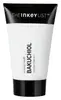
This anti-aging moisturizer is formulated around Bakuchiol and Squalane to soften the look of wrinkles and refine skin texture.
This barrier-repair moisturizer is formulated around Niacinamide and Squalane to strengthen the skin barrier and soften the look of wrinkles.


What's inside
What's inside
 Key Ingredients
Benefits
Concerns
Ingredients Side-by-side
Water
Skin ConditioningSqualane
Emollient


Glycerin
Humectant
Propanediol
Solvent
Plukenetia Volubilis Seed Oil
Emollient


Dicaprylyl Carbonate
EmollientBakuchiol
Antimicrobial







Phenoxyethanol
Preservative
Sodium Caproyl Prolinate
HumectantHydroxyethyl Acrylate/Sodium Acryloyldimethyl Taurate Copolymer
Emulsion StabilisingCarbomer
Emulsion StabilisingSodium Hydroxide
BufferingEthylhexylglycerin
Skin ConditioningSodium Stearoyl Glutamate
CleansingPolysorbate 60
Emulsifying
Phytic Acid
Chelating
Glyceryl Polyacrylate
Sorbitan Isostearate
Emulsifying
Tocopherol
Antioxidant
Water, Squalane, Glycerin, Propanediol, Plukenetia Volubilis Seed Oil, Dicaprylyl Carbonate, Bakuchiol, Phenoxyethanol, Sodium Caproyl Prolinate, Hydroxyethyl Acrylate/Sodium Acryloyldimethyl Taurate Copolymer, Carbomer, Sodium Hydroxide, Ethylhexylglycerin, Sodium Stearoyl Glutamate, Polysorbate 60, Phytic Acid, Glyceryl Polyacrylate, Sorbitan Isostearate, Tocopherol
Water
Skin ConditioningEthylhexyl Pelargonate
EmollientGlycerin
Humectant
Propanediol
Solvent
Niacinamide
Smoothing


Squalane
Emollient
Lactobacillus/Rice Ferment
Skin Conditioning
Behenyl Alcohol
Emollient
Bakuchiol
Antimicrobial
Xylitylglucoside
Humectant
Arginine
Masking
Polyacrylate Crosspolymer-6
Emulsion StabilisingHydrolyzed Rhodophyceae Extract
Anhydroxylitol
Humectant
Carbomer
Emulsion StabilisingCaesalpinia Spinosa Fruit Extract
Skin ProtectingEthylhexylglycerin
Skin ConditioningCitric Acid
Buffering
Sodium Benzoate
Masking
Maltitol
HumectantXylitol
Humectant
Ganoderma Lucidum Stem Extract
Skin ConditioningXanthan Gum
EmulsifyingKappaphycus Alvarezii Extract
Skin Conditioning

Trisodium Ethylenediamine Disuccinate
ChelatingGlucose
Humectant
Mangifera Indica Leaf Extract
Skin ConditioningMicrocitrus Australasica Fruit Extract
Biosaccharide Gum-1
Humectant
Tocopherol
Antioxidant
Agastache Mexicana Flower/Leaf/Stem Extract
Skin ConditioningSodium Levulinate
Skin ConditioningGlyceryl Caprylate
EmollientSodium Anisate
AntimicrobialWater, Ethylhexyl Pelargonate, Glycerin, Propanediol, Niacinamide, Squalane, Lactobacillus/Rice Ferment, Behenyl Alcohol, Bakuchiol, Xylitylglucoside, Arginine, Polyacrylate Crosspolymer-6, Hydrolyzed Rhodophyceae Extract, Anhydroxylitol, Carbomer, Caesalpinia Spinosa Fruit Extract, Ethylhexylglycerin, Citric Acid, Sodium Benzoate, Maltitol, Xylitol, Ganoderma Lucidum Stem Extract, Xanthan Gum, Kappaphycus Alvarezii Extract, Trisodium Ethylenediamine Disuccinate, Glucose, Mangifera Indica Leaf Extract, Microcitrus Australasica Fruit Extract, Biosaccharide Gum-1, Tocopherol, Agastache Mexicana Flower/Leaf/Stem Extract, Sodium Levulinate, Glyceryl Caprylate, Sodium Anisate
Reviews
Ingredients Explained
These ingredients are found in both products.
Ingredients higher up in an ingredient list are typically present in a larger amount.
Bakuchiol is a plant-derived antioxidant from the seeds of the Psoralea corylifolia plant. It has antimicrobial, emollient, skin conditioning, and antioxidant properties.
You'll likely see it called a "retinol replacement" but the two are technically not related. This is because bakuchiol is able to flip many of the same switches in your skin cells to tell them to:
1) produce more collagen (type I, III, and IV)
2) activate the same genes retinoids do
Unlike retinoids, this ingredient will not increase photosensitivity and is safe to use during pregnancy (but please still check in with your doctor!).
The flagship clinical trial from Dhaliwal et al. 2019 found 0.5% bakuchiol (twice daily) and 0.5% retinol (once daily) reduced wrinkles and hyperpigmentation equally, but bakuchiol had significantly less irritation.
Systematic reviews also back this up:
Bakuchiol is comparable to retinol for photoaging but with better tolerability. It also has mild antibacterial properties against Cutibacterium acnes and antifungal activity in vitro against Candida and dermatophytes.
The reason bakuchiol works well is due to its structure; it is a meroterpene phenol, or a hybrid molecule. The phenol half acts as an antioxidant while the terpene half is fat-loving. This helps the molecule slip through the skin barrier.
This ingredient is usually used between 0.5-2%. Only one case of contact dermatitis has ever been reported for this ingredient.
Learn more about BakuchiolCarbomer is a synthetic thickening and gelling agent. It's basically the ingredient that gives a lot of serums, gels, creams, and sunscreens their smooth, non-sticky texture.
Although legally permitted at very high levels, carbomers are normally used at concentrations below 1%.
It also needs to be neutralized to actually thicken, and because it is a large molecule, it doesn't really penetrate the skin barrier.
Allergy-wise, the risk is very low. Clinical studies show carbomers have low potential for skin irritation/sensitization even at concentrations up to 100%.
A 2024 UK study patch-tested 1,302 patients and found true allergy to the parent group of carbomer to be rare with no confirmed relevant reactions.
Learn more about CarbomerEthylhexylglycerin is created from glycerin. It is a multitasker ingredient that:
The CIR Expert Panel found minimal skin absorption or sensitization of any kind in a safety assessment. Though this ingredient is considered well-tolerated, a small number of cases of allergic dermatitis have been published since 2002. Just be sure to patch test if you are unsure.
Industry-reported use ranges from 8% in rinse-off products and 2% in leave-on formulations.
Learn more about EthylhexylglycerinGlycerin (or glycerol) is a compound naturally found in your skin. It's a powerhouse humectant that pulls water into the stratum corneum.
Topically, glycerin does several things at once:
Your skin makes glycerin on its own (mostly from sebaceous oil breakdown) and shuttles it to your outermost layer of skin, or your epidermis, via aquaporin-3.
Aquaporin-3 is a transporter that is essential for normal skin hydration, elasticity, and repair. Interestingly, mice lacking in AQP3 have dry and less elastic skin that can be fully corrected with glycerin.
This ingredient is non-irritating, plays well with almost every ingredient, and works across all skin types. Typical use is anywhere between 3-10% but can go up to 79% in some leave-on products.
Just know very high concentrations (>40%) can feel tacky in low humidity.
Glycerin is the name for this ingredient in American English. British English uses Glycerol/Glycerine.
Learn more about GlycerinPropanediol is an all-star ingredient. It softens, hydrates, and smooths the skin.
It’s often used to:
Propanediol is not likely to cause sensitivity and considered safe to use. It is derived from corn or petroleum with a clear color and no scent.
Learn more about PropanediolSqualane is the hydrogenated and shelf-stable form of squalene (a lipid that naturally occurs in human sebum).
It is an emollient and skin conditioning agent that is able to integrate seamlessly into the skin's lipid barrier without clogging pores.
This is due to how structurally similar it is to what your skin already produces.
Though it is mostly an emollient that helps soften and hydrate skin, it also has some humectant and occlusive action. Humectants help the skin retain moisture while occlusives seal it in, making squalane a triple-threat moisturizer.
Research shows it has antioxidant capabilities that help protect against stressors like UV exposure, specifically UVA induced oxidative stress. This study also found that it supports collagen biosynthesis in human dermal fibroblasts.
No clinical study has reported significant adverse effects and irritation reactions are very rare from this ingredient (even at 100% concentration).
Overall, it's a fantastic ingredient for hydration and is suitable for all skin types.
This depends on the source. Squalane can be derived from both plants and animals. Most squalane used in skincare comes from plants.
Please note: the source of squalane is only known if disclosed by the brand. We recommend reaching out to the brand if you have any questions about their squalane.
Read more about squalene with an "e".
Though squalane is often called an oil, it’s technically not one. It is a hydrocarbon, meaning it is only made of carbon and hydrogen. True oils are triglycerides and made of fatty acids and glycerol.
The term “oil-free” isn’t regulated so companies can define it however they want. Some exclude all oils, while others just avoid mineral oil or comedogenic oils.
Squalane has a comedogenic rating of 1 from the original 1972 study that tested raw ingredients under occlusion on rabbit ears. This system is not standardized or peer-reviewed, and using the raw ingredients is very different from how diluted cosmetic formulations are used on human skin.
A comedogenic rating of 1 means it is "unlikely to clog pores" according to the original rating system.
The overall formula of a product matters more than the individual ingredients on whether or not it will cause clogged pores.
Learn more about SqualaneTocopherol is a fat-soluble antioxidant known as Vitamin E.
You'll find this ingredient in the vast majority of skincare (for good reason). It works to neutralize free radicals, or unstable molecules generated by UV exposure, pollution, and other environmental stressors, before they can cause oxidative damage to your skin cells.
Topically applied tocopherol has been shown to protect against UV damage by ramping up the skin's own natural defense enzymes.
It also acts as a skin conditioning agent; some studies show that regular topical use can improve the skin's water-binding capacity over 2-4 weeks.
This ingredient is especially loved for being a team player. When combined with Vitamin C, the photoprotective effect of both ingredients roughly doubles and the combo also helps reduce UV-induced DNA damage.
This ingredient has some brightening potential but it's more of a prevention ingredient than spot-fader. Cell studies show it can slow down melanin production but it's worth noting that it's not the most powerful brightener out there.
In formulations, it also serves as a stabilizer that helps protect other oxidation-prone ingredients from degrading.
Concentrations usually range from 0.1-1% in most leave-on products.
Learn more about TocopherolWater. It's the most common cosmetic ingredient of all. You'll usually see it at the top of ingredient lists, meaning that it makes up the largest part of the product.
So why is it so popular? Water most often acts as a solvent - this means that it helps dissolve other ingredients into the formulation.
You'll also recognize water as that liquid we all need to stay alive. If you see this, drink a glass of water. Remember to stay hydrated!
Learn more about Water

