The Derma Co Pore Minimizing Daily Face Moisturizer Versus Deconstruct Oil-Free Moisturizer For Oily Skin
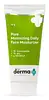
This pore-care moisturizer is formulated around Gluconolactone and Niacinamide to refine the look of pores and balance excess oil.
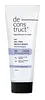
This calming moisturizer is formulated around Calendula Officinalis Extract and Aloe Barbadensis Extract to calm redness and hydrate skin.

What's inside
What's inside
 Key Ingredients
No key ingredients
Benefits
Concerns
No concerns
Ingredients Side-by-side
Water
Skin ConditioningCoco-Caprylate/Caprate
Emollient
Neopentyl Glycol Diheptanoate
EmollientGluconolactone
Chelating







Niacinamide
Smoothing




Diethylhexyl Carbonate
EmollientCetyl Alcohol
Emollient


Pentaerythrityl Distearate
Emulsifying
Lens Esculenta Fruit Extract
Skin ConditioningAlpha-Glucan Oligosaccharide
Cleansing
Xylitylglucoside
Humectant
Anhydroxylitol
Humectant
Xylitol
Humectant
Methyl Glucose Sesquistearate
Emollient
Trilaurin
Skin ConditioningSalicylic Acid
Masking




Glycolic Acid
Buffering

Ethylhexylglycerin
Skin ConditioningPhenoxyethanol
Preservative
Disodium EDTA
ChelatingXanthan Gum
EmulsifyingCarbomer
Emulsion StabilisingSodium Hydroxide
BufferingWater, Coco-Caprylate/Caprate, Neopentyl Glycol Diheptanoate, Gluconolactone, Niacinamide, Diethylhexyl Carbonate, Cetyl Alcohol, Pentaerythrityl Distearate, Lens Esculenta Fruit Extract, Alpha-Glucan Oligosaccharide, Xylitylglucoside, Anhydroxylitol, Xylitol, Methyl Glucose Sesquistearate, Trilaurin, Salicylic Acid, Glycolic Acid, Ethylhexylglycerin, Phenoxyethanol, Disodium EDTA, Xanthan Gum, Carbomer, Sodium Hydroxide
Water
Skin ConditioningCalendula Officinalis Extract
Skin Conditioning
Glycerin
Humectant
Diheptyl Succinate
EmollientAloe Barbadensis Extract
Skin Conditioning
Triethanolamine
BufferingPhenoxyethanol
Preservative
Betaine
Humectant
Acrylates/C10-30 Alkyl Acrylate Crosspolymer
Emulsion StabilisingSodium PCA
Humectant
Panthenol
Skin Conditioning
Sodium Gluconate
ChelatingEthylhexylglycerin
Skin ConditioningSodium Lactate
Buffering
PCA
Humectant
Capryloyl Glycerin/Sebacic Acid Copolymer
Skin ConditioningSerine
Masking
Alanine
Masking
Glycine
Buffering
Glutamic Acid
Humectant
Lysine Hcl
Skin Conditioning
Threonine
Arginine
Masking
Proline
Skin Conditioning
Water, Calendula Officinalis Extract, Glycerin, Diheptyl Succinate, Aloe Barbadensis Extract, Triethanolamine, Phenoxyethanol, Betaine, Acrylates/C10-30 Alkyl Acrylate Crosspolymer, Sodium PCA, Panthenol, Sodium Gluconate, Ethylhexylglycerin, Sodium Lactate, PCA, Capryloyl Glycerin/Sebacic Acid Copolymer, Serine, Alanine, Glycine, Glutamic Acid, Lysine Hcl, Threonine, Arginine, Proline
Reviews
Ingredients Explained
These ingredients are found in both products.
Ingredients higher up in an ingredient list are typically present in a larger amount.
Ethylhexylglycerin is created from glycerin. It is a multitasker ingredient that:
The CIR Expert Panel found minimal skin absorption or sensitization of any kind in a safety assessment. Though this ingredient is considered well-tolerated, a small number of cases of allergic dermatitis have been published since 2002. Just be sure to patch test if you are unsure.
Industry-reported use ranges from 8% in rinse-off products and 2% in leave-on formulations.
Learn more about EthylhexylglycerinPhenoxyethanol is one of the most widely used preservatives in skincare (and for good reason!).
It has a large spectrum of antimicrobial activity and especially effective bacteria, yeast, and mold while only having a weak effect on your skin's natural microbiome.
On a cellular level, it disrupts the cell membranes of microbes by poking holes that make the cell leak. This shuts down the chemical reactions the microbe needs to make energy so it can no longer survive.
Another perk of this ingredient is that it stays functional across a wide pH range (3-10).
You'll often see it paired with boosters like Ethylhexylglycerin; one study showed that a 1:9 ratio of Ethylhexylglycerin to Phenoxyethanol damages bacterial membranes as effectively as doubling the Phenoxyethanol concentration on its own.
Typical use concentrations range from 0.3-1% depending on the formula, and this ingredient is capped at 1% int the EU.
Safety-wise, the fear mongering does not hold up to the evidence. The EU's Scientific Committee on Consumer Safety and FDA consider it safe as a preservative at up to 1%, including for children of all ages.
Adverse systemic effects only showed up in animal studies at exposures roughly 200x higher than what people get from cosmetics. And despite its very widespread use, this ingredient is a rare sensitizer and allergic reactions are uncommon.
Learn more about PhenoxyethanolWater. It's the most common cosmetic ingredient of all. You'll usually see it at the top of ingredient lists, meaning that it makes up the largest part of the product.
So why is it so popular? Water most often acts as a solvent - this means that it helps dissolve other ingredients into the formulation.
You'll also recognize water as that liquid we all need to stay alive. If you see this, drink a glass of water. Remember to stay hydrated!
Learn more about Water

