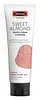
This cream cleanser uses mild cleansing ingredients, but contains alcohol that may feel drying for some.
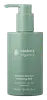
This cream cleanser uses mild cleansing ingredients, but contains alcohol that may feel drying for some.

What's inside
What's inside
 Key Ingredients
Benefits
Concerns
Ingredients Side-by-side
Oryza Sativa Bran Water
Masking
Prunus Amygdalus Dulcis Oil
Skin Conditioning





Cetearyl Alcohol
Emollient


Glyceryl Stearate Se
Emulsifying
Hamamelis Virginiana Flower Water
AstringentGlycerin
Humectant

Sodium Stearoyl Glutamate
CleansingTheobroma Cacao Seed Butter
Emollient
Punica Granatum Fruit Extract
Antioxidant


Citrus Grandis Seed Extract
Astringent
Hyssopus Officinalis Leaf Oil
Skin Conditioning
Commiphora Myrrha Oil
Masking
Simmondsia Chinensis Seed Oil
Emollient
Citrus Grandis Peel Oil
Masking


Citrus Aurantium Bergamia Fruit Oil
Masking
Fusanus Spicatus Wood Oil
Masking
Vanilla Planifolia Fruit Extract
Skin Conditioning
Citrus Medica Peel Oil
Cedrus Atlantica Bark Oil
Masking
Xanthan Gum
EmulsifyingDehydroacetic Acid
Preservative
Benzyl Alcohol
Perfuming

Citric Acid
Buffering

Oryza Sativa Bran Water, Prunus Amygdalus Dulcis Oil, Cetearyl Alcohol, Glyceryl Stearate Se, Hamamelis Virginiana Flower Water, Glycerin, Sodium Stearoyl Glutamate, Theobroma Cacao Seed Butter, Punica Granatum Fruit Extract, Citrus Grandis Seed Extract, Hyssopus Officinalis Leaf Oil, Commiphora Myrrha Oil, Simmondsia Chinensis Seed Oil, Citrus Grandis Peel Oil, Citrus Aurantium Bergamia Fruit Oil, Fusanus Spicatus Wood Oil, Vanilla Planifolia Fruit Extract, Citrus Medica Peel Oil, Cedrus Atlantica Bark Oil, Xanthan Gum, Dehydroacetic Acid, Benzyl Alcohol, Citric Acid
Water
Skin ConditioningHelianthus Annuus Hybrid Oil
Emollient
Cetearyl Alcohol
Emollient
Glyceryl Stearate Se
Emulsifying
Hamamelis Virginiana Water
Astringent
Glycerin
Humectant
Sodium Stearoyl Glutamate
CleansingAloe Barbadensis Leaf Juice Powder
Skin Conditioning
Benzyl Alcohol
Perfuming
Decyl Glucoside
Cleansing
Theobroma Cacao Seed Butter
Emollient
Xanthan Gum
EmulsifyingCitrus Aurantium Bergamia Peel Oil
Perfuming
Sodium Citrate
BufferingCitric Acid
Buffering
Dehydroacetic Acid
Preservative
Citrus Aurantium Dulcis Peel Oil
Masking
Cananga Odorata Flower Oil
Masking
Cedrus Atlantica Bark Oil
Masking
Citrus Aurantifolia Oil
Cleansing
Pelargonium Graveolens Flower Oil
Masking
Boswellia Carterii Oil
Masking
Rosa Canina Fruit Oil
Emollient
Olea Europaea Fruit Oil
Masking
Calendula Officinalis Flower Extract
Masking
Syzygium Luehmannii Fruit Extract
Antioxidant
Acronychia Pedunculata Extract
Skin ConditioningDavidsonia Pruriens Fruit Extract
Antioxidant
Alcohol
Antimicrobial
Water, Helianthus Annuus Hybrid Oil, Cetearyl Alcohol, Glyceryl Stearate Se, Hamamelis Virginiana Water, Glycerin, Sodium Stearoyl Glutamate, Aloe Barbadensis Leaf Juice Powder, Benzyl Alcohol, Decyl Glucoside, Theobroma Cacao Seed Butter, Xanthan Gum, Citrus Aurantium Bergamia Peel Oil, Sodium Citrate, Citric Acid, Dehydroacetic Acid, Citrus Aurantium Dulcis Peel Oil, Cananga Odorata Flower Oil, Cedrus Atlantica Bark Oil, Citrus Aurantifolia Oil, Pelargonium Graveolens Flower Oil, Boswellia Carterii Oil, Rosa Canina Fruit Oil, Olea Europaea Fruit Oil, Calendula Officinalis Flower Extract, Syzygium Luehmannii Fruit Extract, Acronychia Pedunculata Extract, Davidsonia Pruriens Fruit Extract, Alcohol
Ingredients Explained
These ingredients are found in both products.
Ingredients higher up in an ingredient list are typically present in a larger amount.
Benzyl Alcohol is an aromatic alcohol with several roles: it's a preservative, solvent, and mild fragrance component with a floral scent.
This ingredient has been deemed safe for use in cosmetic formulations at concentrations up to 5%, and up to 10% in hair dyes. You'll typically see 0.5-2% in most rinse-off or leave-on products.
As a preservative, it works by disrupting the membrane of microbial proteins. This helps keep bacteria and fungi from growing in your products.
The sensitization picture is actually quite assuring as well:of nearly 71,000 patients patch tested with benzyl alcohol, only 0.21% showed a positive reaction with most of them being weakly positive.
This led researchers to conclude that benzyl alcohol cannot be regarded as a significant contact allergen.
It is worth noting this ingredient is classified as one of the EU's regulated fragrance allergens and restricted to 1% in finished products.
Labels must also declare it in concentrations above 0.001% in leave-on products and 0.01% in rinse-off products.
At concentrations around 5%, localized redness and itching can appear as a direct irritant response and not as a true allergic reaction.
Learn more about Benzyl AlcoholThis ingredient comes from the bark of the Cedarwood tree.
Though this oil exhibits antibacterial and antioxidant activity, it is also contains skin-irritating fragrances such as limonene.
In 2023, it was listed as an EU known-allergen.
Learn more about Cedrus Atlantica Bark OilCetearyl alcohol is a waxy mixture of two fatty alcohols: cetyl alcohol and stearyl alcohol. It is an emollient and emulsifier.
Despite having "alcohol" in its name, it has nothing to do with drying solvent alcohols; the FDA also allows "alcohol-free" products to contain fatty alcohols like this ingredient.
It plays several roles in a formula:
Typical use levels for this ingredient sit around 1-10% and the Cosmetic Ingredient Review Expert Panel has affirmed safety at concentrations up to 25% in leave-on products.
Multiple assessments have found it to be non-irritating and non-sensitizing to most people.
However, there have been some cases of allergic contact dermatitis in patients with chronically compromised skin barriers.
Cetearyl alcohol has a comedogenic rating of 2 and irritancy rating of 1. Both of these numbers come from the 1989 study that used rabbit ears; a "2" means mildly comedogenic and a "1" means low irritancy.
Here's the catch: rabbit skin is more sensitive than human skin and throws a lot of false positives. A 1996 reappraisal found that ingredients rated 1-2 in the rabbit ear tests are generally safe for humans.
Remember comedogenic ratings are unable to assess the entire formula of a product or how it will react on your skin. Just be sure to patch test if you are unsure about certain ingredients.
This ingredient is not fungal acne safe. Cetearyl alcohol is a fatty alcohol with chain lengths that fall within the range that Malassezia can metabolize.
A 2019 study has also observed Malassezia growth in the presence of this ingredient, confirming it to be not-fungal acne safe.
Learn more about Cetearyl AlcoholCitric Acid is an alpha hydroxy acid (AHA) naturally found in citrus fruits like oranges, lemons, and limes.
Like other AHAs, citric acid can exfoliate skin by breaking down the bonds that hold dead skin cells together. This helps reveal smoother and brighter skin underneath.
However, this exfoliating effect only happens at high concentrations (20%) which can be hard to find in cosmetic products.
Due to this, citric acid is usually included in small amounts as a pH adjuster. This helps keep products slightly more acidic and compatible with skin's natural pH.
In skincare formulas, citric acid can:
While it can provide some skin benefits, research shows lactic acid and glycolic acid are generally more effective and less irritating exfoliants.
Most citric acid used in skincare today is made by fermenting sugars (usually from molasses). This synthetic version is identical to the natural citrus form but easier to stabilize and use in formulations.
Rosacea skin has a lower threshold for acids generally, with 62.5% of rosacea subjects in one study reacting to lactic acid in a sting test. This is why we mark citric acid as a potential rosacea trigger.
However, this ingredient shows up as a pH adjuster or chelator at roughly 0.1-1% in many products. These low levels are unlikely to be an issue for rosacea skin and becomes a potential trigger at exfoliating concentrations (20%). Because everybody's skin is unique, we recommend a patch test if you are unsure.
Learn more about Citric AcidDehydroacetic Acid is a synthetic preservative that keeps your products safe from microbes.
As an organic acid, it penetrates microbial cell walls and disrupts cellular metabolism. This makes it effective against bacteria, yeast, and mold.
It is effective at low concentrations (<0.6%). Clinical studies have found it to be non-irritating, non-sensitizing, and non-photosensitizing.
Learn more about Dehydroacetic AcidGlycerin (or glycerol) is a compound naturally found in your skin. It's a powerhouse humectant that pulls water into the stratum corneum.
Topically, glycerin does several things at once:
Your skin makes glycerin on its own (mostly from sebaceous oil breakdown) and shuttles it to your outermost layer of skin, or your epidermis, via aquaporin-3.
Aquaporin-3 is a transporter that is essential for normal skin hydration, elasticity, and repair. Interestingly, mice lacking in AQP3 have dry and less elastic skin that can be fully corrected with glycerin.
This ingredient is non-irritating, plays well with almost every ingredient, and works across all skin types. Typical use is anywhere between 3-10% but can go up to 79% in some leave-on products.
Just know very high concentrations (>40%) can feel tacky in low humidity.
Glycerin is the name for this ingredient in American English. British English uses Glycerol/Glycerine.
Learn more about GlycerinGlyceryl Stearate SE is a self-emulsifying (SE) form of Glyceryl Stearate. It comes with a small amount of soap (usually potassium or sodium stearate) that gives it the "SE" part.
That soap lets it pull oil and water together on its own which is why it shows up as an emulsifier, thickener, and emollient.
Industry survey data shows this ingredient is used around 1-5% but Glyceryl Stearate goes as high at 17% in a leave-on deodorant.
Safety-wise, it's pretty boring: it's been deemed safe for topical use in 1982 and again most recently in 2021 by the CIR. Human repeat insult patch tests come back non-irritating, non-sensitizing, non-phototoxic, and non-photoallergenic.
This ingredient does carry a comedogenic rating of 3 from the old rabbit-ear assay. Just remember testing finished products in humans showed that formulas built with "comedogenic" ingredients are not necessarily comedogenic themselves. It's worth patch testing if you're breakout prone, and always listen to your skin.
The Malassezia yeast can potentially metabolize the stearic acid in this ingredient, so it may not be fungal acne safe.
Allergy is rare: a 310-patient patch test study of common emulsifiers found this ingredient was not a meaningful reactor. Isolated case reports do exist so a true contact allergy is possible but uncommon.
Learn more about Glyceryl Stearate SeSodium Stearoyl Glutamate is an amino-acid based emulsifier. It is made by combining stearic acid with L-glutamic acid and neutralizing it to a sodium salt.
As an emulsifier, it works mainly as an oil-in-water one and helps keep the oil and water in your formulas blended. It also contributes to a smooth, non-greasy skin feel.
This ingredient is biodegradable and commonly available in natural/COSMOS-certified grades.
Learn more about Sodium Stearoyl GlutamateThis ingredient is also known as Cocoa butter; it's the fat pressed out of roasted cocoa beans.
Cocoa butter is solid at room temperature and melts right around body temperature, which is why it feels waxy in the jar and slippery on skin.
It has a very saturated profile (stearic acid ~34 to 36%, oleic acid ~30 to 40%, and palmitic acid ~24 to 29%) that makes it a strong occlusive: it sits on top and slows water escaping from skin.
Concentration data shows that it can show up anywhere from a few percent in lotions up to 100% in balms, and the FDA lists cocoa butter as an OTC skin protectant active at 50-100%.
The CIR has reviewed it and concluded it to be safe as used in cosmetics.
This is one of the ingredients with a comedogenic score of 4/5 from the rabbit ear test. Just know that a later human study did find that finished products containing high-comedogenic ingredients like cocoa butter did not increase microcomedone formation.
The fair call here is that this ingredient is most likely fine on body or low-percentage formulas, but can potentially be riskier as a heavy leave-on facial product if you break out easily.
Cocoa butter may not be fungal acne safe; it is a triglyceride of C16-18 fatty acids that the Malassezia yeast can metabolize.
Allergies to cocoa butter are rare and uncommon, but a few cases have been documented (mostly in cases where the person ate chocolate). So if you have a tree nut allergy, be sure to patch test or avoid.
Learn more about Theobroma Cacao Seed ButterXanthan gum is used as a stabilizer and thickener within cosmetic products. It helps give products a sticky, thick feeling - preventing them from being too runny.
On the technical side of things, xanthan gum is a polysaccharide - a combination consisting of multiple sugar molecules bonded together.
Xanthan gum is a pretty common and great ingredient. It is a natural, non-toxic, non-irritating ingredient that is also commonly used in food products.
Learn more about Xanthan Gum

