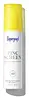
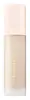
Supergoop! Zincscreen 100% Mineral Lotion SPF 40 Versus Rare Beauty Always An Optimist Illuminating Primer
This mineral sunscreen covers the full UV range and blocks ~98% of UVB at SPF 40.

What's inside
What's inside
 Key Ingredients
Benefits
Concerns
Ingredients Side-by-side
Zinc Oxide 13%
Cosmetic Colorant


Water
Skin ConditioningTetradecane
Perfuming

Cetearyl Nonanoate
EmollientEthylhexyl Palmitate
Emollient




Caprylic/Capric Triglyceride
Masking


Isopropyl Palmitate
Emollient
Isopropyl Myristate
Emollient
Glycerin
Humectant
Polyglyceryl-3 Diisostearate
Emulsifying
Mica
Cosmetic ColorantPropanediol
Solvent
Disteardimonium Hectorite
StabilisingGluconolactone
Skin Conditioning





Polyglyceryl-6 Polyricinoleate
Emulsifying
Brassica Campestris/Aleurites Fordi Oil Copolymer
Skin Conditioning
Polyhydroxystearic Acid
Emulsifying
Sodium Chloride
MaskingMagnesium Sulfate
Fructose
Humectant
Octyldodecyl Oleate
Emollient
Tocopherol
Antioxidant



Cocos Nucifera Fruit Extract
Emollient
Sodium Benzoate
Masking
CI 77492
Cosmetic ColorantDodecane
Emollient
Hexadecane
Perfuming
CI 77891
Cosmetic ColorantWithania Somnifera Flower Extract
Skin ConditioningCI 77491
Cosmetic ColorantVaccinium Angustifolium Fruit Extract
Skin Protecting
Silica
Abrasive
Calcium Gluconate
HumectantZinc Oxide 13%, Water, Tetradecane, Cetearyl Nonanoate, Ethylhexyl Palmitate, Caprylic/Capric Triglyceride, Isopropyl Palmitate, Isopropyl Myristate, Glycerin, Polyglyceryl-3 Diisostearate, Mica, Propanediol, Disteardimonium Hectorite, Gluconolactone, Polyglyceryl-6 Polyricinoleate, Brassica Campestris/Aleurites Fordi Oil Copolymer, Polyhydroxystearic Acid, Sodium Chloride, Magnesium Sulfate, Fructose, Octyldodecyl Oleate, Tocopherol, Cocos Nucifera Fruit Extract, Sodium Benzoate, CI 77492, Dodecane, Hexadecane, CI 77891, Withania Somnifera Flower Extract, CI 77491, Vaccinium Angustifolium Fruit Extract, Silica, Calcium Gluconate
Water
Skin ConditioningGlycerin
Humectant
Ethylhexyl Palmitate
Emollient
Isohexadecane
EmollientSynthetic Fluorphlogopite
Acrylamide/Sodium Acryloyldimethyltaurate Copolymer
Emulsion StabilisingCaprylic/Capric Triglyceride
Masking
Helianthus Annuus Seed Oil
Emollient
Gardenia Florida Fruit Extract
Skin ConditioningNelumbo Nucifera Flower Extract
Skin ConditioningNymphaea Odorata Root Extract
RefreshingPhenoxyethanol
Preservative
1,2-Hexanediol
Skin Conditioning
Polysorbate 80
Emulsifying
Sorbitan Oleate
Emulsifying
Tin Oxide
Abrasive
CI 77891
Cosmetic ColorantCI 77491
Cosmetic ColorantWater, Glycerin, Ethylhexyl Palmitate, Isohexadecane, Synthetic Fluorphlogopite, Acrylamide/Sodium Acryloyldimethyltaurate Copolymer, Caprylic/Capric Triglyceride, Helianthus Annuus Seed Oil, Gardenia Florida Fruit Extract, Nelumbo Nucifera Flower Extract, Nymphaea Odorata Root Extract, Phenoxyethanol, 1,2-Hexanediol, Polysorbate 80, Sorbitan Oleate, Tin Oxide, CI 77891, CI 77491
Reviews
Ingredients Explained
These ingredients are found in both products.
Ingredients higher up in an ingredient list are typically present in a larger amount.
Caprylic/Capric Triglyceride (aka MCT Oil) is a lightweight emollient, solvent, and texture enhancer. It is considered a skin-softener by helping to prevent moisture loss.
Though it behaves like an oil, it is not technically one due to its chemical composition. One perk of this ingredient is that it is very stable, resistant to oxidation, and unlikely to go rancid.
In practice, that translates to a long shelf life and a consistently elegant skin feel.
While there is an assumption Caprylic Triglyceride can clog pores due to it being derived from coconut oil, there is no research supporting this. Just patch test if you have concerns.
Fractionated coconut oil and MCT Oil are both listed as Caprylic/Capric Triglyceride according to INCI. This is because INCI names are based on the ingredient’s final chemical composition and not its marketing name or source.
This ingredient is treated as the gold standard fungal acne safe oil. Even though it is coconut derived, the problematic lauric acid is stripped out.
This leaves just caprylic (C8) and capric (C10) acid. These chain lengths actually trend antifungal; a 2020 study found caprylic acid was enough to disrupt Malassezia furfur cell membrane, with a caprylic acid derivative damaging membrane structures at concentrations as low as 0.2%.
Learn more about Caprylic/Capric TriglycerideCi 77491 is also hydrated iron III oxide. It's sole purpose is to give a red/pink hue to products.
Iron III oxides are classified as inorganic chemicals for coloring.
Synthetically created Ci 77491 is considered safer than those naturally found. This is because the synthetically created version may contain less impurities. Iron oxides are generally non-toxic and non-allergenic.
Learn more about CI 77491Ci 77891 is a white pigment from Titanium dioxide. It is naturally found in minerals such as rutile and ilmenite.
It's main function is to add a white color to cosmetics. It can also be mixed with other colors to create different shades.
Ci 77891 is commonly found in sunscreens due to its ability to block UV rays.
Learn more about CI 77891Ethylhexyl Palmitate, also known as octyl palmitate, is created from 2-ethylhexyl alcohol and palmitic acid.
In cosmetics, it plays many roles:
One thing worth noting: a controlled study found this ingredient applied under occlusion to acne-prone subjects increased microcomedones. Just keep in mind this was under occlusive conditions and don't reflect how most products are used day-to-day.
For most people, this is a well-tolerated and lightweight ingredient.
This ingredient may not be fungal acne safe because it is an ester of palmitic acid, a C16 fatty acid that falls within the C11-24 range that Malassezia can metabolize.
Learn more about Ethylhexyl PalmitateGlycerin (or glycerol) is a compound naturally found in your skin. It's a powerhouse humectant that pulls water into the stratum corneum.
Topically, glycerin does several things at once:
Your skin makes glycerin on its own (mostly from sebaceous oil breakdown) and shuttles it to your outermost layer of skin, or your epidermis, via aquaporin-3.
Aquaporin-3 is a transporter that is essential for normal skin hydration, elasticity, and repair. Interestingly, mice lacking in AQP3 have dry and less elastic skin that can be fully corrected with glycerin.
This ingredient is non-irritating, plays well with almost every ingredient, and works across all skin types. Typical use is anywhere between 3-10% but can go up to 79% in some leave-on products.
Just know very high concentrations (>40%) can feel tacky in low humidity.
Glycerin is the name for this ingredient in American English. British English uses Glycerol/Glycerine.
Learn more about GlycerinWater. It's the most common cosmetic ingredient of all. You'll usually see it at the top of ingredient lists, meaning that it makes up the largest part of the product.
So why is it so popular? Water most often acts as a solvent - this means that it helps dissolve other ingredients into the formulation.
You'll also recognize water as that liquid we all need to stay alive. If you see this, drink a glass of water. Remember to stay hydrated!
Learn more about Water

