This mild foaming cleanser is mild enough to cleanse without leaving skin feeling tight or stripped.
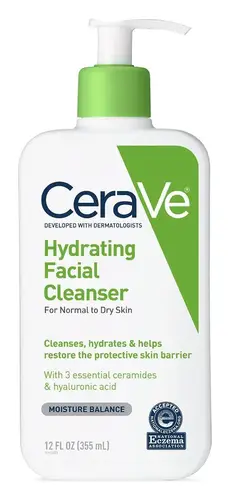
This cream cleanser uses mild cleansing ingredients, but contains alcohol that may feel drying for some.


What's inside
What's inside
 Key Ingredients
Benefits
Concerns
Ingredients Side-by-side
Water
Skin ConditioningPotassium Cocoyl Glycinate
Surfactant
Glycerin
Humectant


Acrylates Copolymer
Propanediol
Solvent
Coco-Glucoside
Cleansing
Cocamidopropyl Betaine
Cleansing


Glycyrrhiza Uralensis Root Extract
Skin Conditioning

Kaolin
Abrasive



Oldenlandia Diffusa Extract
Skin ConditioningHydrolyzed Ginseng Saponins
Skin ConditioningMorus Alba Root Extract
BleachingLilium Candidum Bulb Extract
Skin ConditioningHoney
Humectant
Nelumbo Nucifera Flower Extract
Skin ConditioningPolygonatum Officinale Rhizome/Root Extract
Skin ConditioningPanax Ginseng Root Extract
Emollient
Paeonia Albiflora Root Extract
Skin ConditioningRehmannia Glutinosa Root Extract
Skin Conditioning1,2-Hexanediol
Skin Conditioning
Water, Potassium Cocoyl Glycinate, Glycerin, Acrylates Copolymer, Propanediol, Coco-Glucoside, Cocamidopropyl Betaine, Glycyrrhiza Uralensis Root Extract, Kaolin, Oldenlandia Diffusa Extract, Hydrolyzed Ginseng Saponins, Morus Alba Root Extract, Lilium Candidum Bulb Extract, Honey, Nelumbo Nucifera Flower Extract, Polygonatum Officinale Rhizome/Root Extract, Panax Ginseng Root Extract, Paeonia Albiflora Root Extract, Rehmannia Glutinosa Root Extract, 1,2-Hexanediol
Water
Skin ConditioningSodium Methyl Cocoyl Taurate
Cleansing
Cocamidopropyl Betaine
Cleansing
PEG-2 Laurate
Emulsifying
Glycol Distearate
Emollient
Propylene Glycol Laurate
Skin ConditioningGlycerin
Humectant
Dipropylene Glycol
HumectantPolyquaternium-10
Phenoxyethanol
Preservative
Sodium Benzoate
Masking
Parfum
Masking

Citric Acid
Buffering

Oryza Sativa Germ Oil
Emollient
Disodium EDTA
ChelatingLinalool
Perfuming
Geraniol
Perfuming
Citronellol
Perfuming
Alcohol
Antimicrobial

Betaine
Humectant
CI 15985
Cosmetic ColorantSodium Acetylated Hyaluronate
Humectant

Citrus Junos Seed Extract
Antioxidant
Tocopherol
Antioxidant

CI 17200
Cosmetic ColorantHydrolyzed Silk
Humectant
Water, Sodium Methyl Cocoyl Taurate, Cocamidopropyl Betaine, PEG-2 Laurate, Glycol Distearate, Propylene Glycol Laurate, Glycerin, Dipropylene Glycol, Polyquaternium-10, Phenoxyethanol, Sodium Benzoate, Parfum, Citric Acid, Oryza Sativa Germ Oil, Disodium EDTA, Linalool, Geraniol, Citronellol, Alcohol, Betaine, CI 15985, Sodium Acetylated Hyaluronate, Citrus Junos Seed Extract, Tocopherol, CI 17200, Hydrolyzed Silk
Ingredients Explained
These ingredients are found in both products.
Ingredients higher up in an ingredient list are typically present in a larger amount.
Cocamidopropyl Betaine is a fatty acid created by mixing similar compounds in coconut oil and dimethylaminopropylamine, a compound with two amino groups.
This ingredient is a surfactant and cleanser. It helps gather the dirt, pollutants, and other impurities in your skin to be washed away. It also helps thicken a product and make the texture more creamy.
Being created from coconut oil means Cocamidopropyl Betaine is hydrating for the skin.
While Cocamidopropyl Betaine was believed to be an allergen, a study from 2012 disproved this. It found two compounds in unpure Cocamidopropyl Betaine to be the irritants: aminoamide and 3-dimethylaminopropylamine. High-grade and pure Cocamidopropyl Betaine did not induce allergic reactions during this study.
Learn more about Cocamidopropyl BetaineGlycerin (or glycerol) is a compound naturally found in your skin. It's a powerhouse humectant that pulls water into the stratum corneum.
Topically, glycerin does several things at once:
Your skin makes glycerin on its own (mostly from sebaceous oil breakdown) and shuttles it to your outermost layer of skin, or your epidermis, via aquaporin-3.
Aquaporin-3 is a transporter that is essential for normal skin hydration, elasticity, and repair. Interestingly, mice lacking in AQP3 have dry and less elastic skin that can be fully corrected with glycerin.
This ingredient is non-irritating, plays well with almost every ingredient, and works across all skin types. Typical use is anywhere between 3-10% but can go up to 79% in some leave-on products.
Just know very high concentrations (>40%) can feel tacky in low humidity.
Glycerin is the name for this ingredient in American English. British English uses Glycerol/Glycerine.
Learn more about GlycerinWater. It's the most common cosmetic ingredient of all. You'll usually see it at the top of ingredient lists, meaning that it makes up the largest part of the product.
So why is it so popular? Water most often acts as a solvent - this means that it helps dissolve other ingredients into the formulation.
You'll also recognize water as that liquid we all need to stay alive. If you see this, drink a glass of water. Remember to stay hydrated!
Learn more about Water