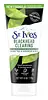
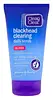
St. Ives Blackhead Clearing Face Scrub Green Tea Versus Clean & Clear Blackhead Clearing Daily Scrub
This acne exfoliator is formulated around Salicylic Acid to clear breakouts and refine the look of pores.
This salicylic acid cream cleanser is formulated around Salicylic Acid to clear breakouts and unclog pores.


What's inside
What's inside
 Key Ingredients
Benefits
Concerns
Ingredients Side-by-side
Salicylic Acid 2%
Masking










Water
Skin ConditioningJuglans Regia Shell Powder
Abrasive
Glycol Stearate Se
Emulsifying
Glycerin
Humectant


Sodium Lauryl Sulfoacetate
CleansingZea Mays Kernel Meal
Abrasive
Cocamidopropyl Betaine
Cleansing
Cetearyl Alcohol
Emollient


Triethanolamine
BufferingCetyl Alcohol
Emollient
Glyceryl Stearate
Emollient
PEG-100 Stearate
Surfactant
Prunus Armeniaca Fruit Extract
Skin ConditioningCetyl Acetate
Emollient
Ceteareth-20
Cleansing
Carbomer
Emulsion StabilisingPolysorbate 60
Emulsifying
Acetylated Lanolin Alcohol
Emollient
Parfum
Masking

PPG-2 Methyl Ether
Perfuming
Phenethyl Alcohol
MaskingMethylisothiazolinone
Preservative
CI 77891
Cosmetic ColorantSalicylic Acid 2%, Water, Juglans Regia Shell Powder, Glycol Stearate Se, Glycerin, Sodium Lauryl Sulfoacetate, Zea Mays Kernel Meal, Cocamidopropyl Betaine, Cetearyl Alcohol, Triethanolamine, Cetyl Alcohol, Glyceryl Stearate, PEG-100 Stearate, Prunus Armeniaca Fruit Extract, Cetyl Acetate, Ceteareth-20, Carbomer, Polysorbate 60, Acetylated Lanolin Alcohol, Parfum, PPG-2 Methyl Ether, Phenethyl Alcohol, Methylisothiazolinone, CI 77891
Water
Skin ConditioningCetyl Alcohol
Emollient
PPG-15 Stearyl Ether
EmollientPolyethylene
Abrasive
Cera Microcristallina
Emulsion StabilisingSteareth-21
CleansingSalicylic Acid
Masking
Polysorbate 60
Emulsifying
Panthenol
Skin Conditioning

Chamomilla Recutita Extract
Skin Conditioning
Aloe Barbadensis Leaf Juice
Skin Conditioning
Bisabolol
Antioxidant
Jojoba Esters
Emollient
Potassium Cetyl Phosphate
EmulsifyingPropylene Glycol
Humectant
Glucose
Humectant
Butylene Glycol
Humectant
Xanthan Gum
EmulsifyingMenthyl Lactate
Masking
BHT
Antioxidant
Parfum
Masking
Water, Cetyl Alcohol, PPG-15 Stearyl Ether, Polyethylene, Cera Microcristallina, Steareth-21, Salicylic Acid, Polysorbate 60, Panthenol, Chamomilla Recutita Extract, Aloe Barbadensis Leaf Juice, Bisabolol, Jojoba Esters, Potassium Cetyl Phosphate, Propylene Glycol, Glucose, Butylene Glycol, Xanthan Gum, Menthyl Lactate, BHT, Parfum
Reviews
Ingredients Explained
These ingredients are found in both products.
Ingredients higher up in an ingredient list are typically present in a larger amount.
Cetyl Alcohol is a fatty alcohol. Fatty Alcohols are most often used as an emollient or to thicken a product.
Its main roles are:
Though it has "alcohol" in the name, it is not related to denatured alcohol or ethyl alcohol.
The FDA allows products labeled "alcohol-free" to have fatty alcohols.
This ingredient may not be fungal acne safe. It is a primary fatty alcohol with a chain length above 12 carbons. A study from 2019 show Malassezia can feed on fatty alcohols in this range, so it may trigger fungal acne in those prone to it.
Learn more about Cetyl AlcoholParfum is a catch-all term for an ingredient or more that is used to give a scent to products.
Also called "fragrance", this ingredient can be a blend of hundreds of chemicals or plant oils. This means every product with "fragrance" or "parfum" in the ingredients list is a different mixture.
For instance, Habanolide is a proprietary trade name for a specific aroma chemical. When used as a fragrance ingredient in cosmetics, most aroma chemicals fall under the broad labeling category of “FRAGRANCE” or “PARFUM” according to EU and US regulations.
The term 'parfum' or 'fragrance' is not regulated in many countries. In many cases, it is up to the brand to define this term.
For instance, many brands choose to label themselves as "fragrance-free" because they are not using synthetic fragrances. However, their products may still contain ingredients such as essential oils that are considered a fragrance by INCI standards.
One example is Calendula flower extract. Calendula is an essential oil that still imparts a scent or 'fragrance'.
Depending on the blend, the ingredients in the mixture can cause allergies and sensitivities on the skin. Some ingredients that are known EU allergens include linalool and citronellol.
Parfum can also be used to mask or cover an unpleasant scent.
The bottom line is: not all fragrances/parfum/ingredients are created equally. If you are worried about fragrances, we recommend taking a closer look at an ingredient. And of course, we always recommend speaking with a professional.
Learn more about ParfumPolysorbate 60 is used to help stabilize products. It is a surfactant and emulsifier. These properties help keep ingredients together in a product. Surfactants help reduce surface tension between ingredients with different states, such as liquids and solids. Emulsifiers help prevent oils and waters from separating.
Polysorbate 60 is sorbitol-based and created from the ethoxylation of sorbitan. Ethoxylation is a chemical reaction used to add ethylene oxide. Sorbitan is a the dehydrated version of sorbitol, a sugar found in fruits.
In this case, the 60 comes from reacting 60 units of ethylene oxide with sorbitan.
Polysorbates are commonly used in medicine and foods.
Learn more about Polysorbate 60Salicylic Acid (also known as beta hydroxy acid or BHA) is a well-known ingredient for treating skin that struggles with acne and clogged pores. It exfoliates both the skin's surface and deep within the pores to help clear out buildup, control oil, and reduce inflammation.
Unlike AHAs (alpha hydroxy acids), salicylic acid is oil-soluble. This allows it to penetrate into pores which makes it especially effective for treating blackheads and preventing future breakouts.
Salicylic acid is also known for its soothing properties. It has a similar structure to aspirin and can calm inflamed or irritated skin, making it a good option for acne-prone skin that is also sensitive.
Concentrations of 0.5-2% are recognized by the U.S. FDA as an over-the-counter topical acne product.
It can cause irritation and/or dryness if one's skin already has a compromised moisture barrier, so it's best to focus on repairing that before introducing this ingredient into your routine.
While salicylic acid does not increase sun sensitivity, it’s still important to wear sunscreen daily to protect your skin.
If you are looking for the ingredient called BHA or Butylated Hydroxyanisole, click here.
Learn more about Salicylic AcidWater. It's the most common cosmetic ingredient of all. You'll usually see it at the top of ingredient lists, meaning that it makes up the largest part of the product.
So why is it so popular? Water most often acts as a solvent - this means that it helps dissolve other ingredients into the formulation.
You'll also recognize water as that liquid we all need to stay alive. If you see this, drink a glass of water. Remember to stay hydrated!
Learn more about Water

