Sephora Collection Love The Lift Curling + Volumizing Mascara Versus NARS Cosmetics Radiant Creamy Concealer

What's inside
What's inside
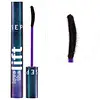 Key Ingredients
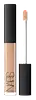
Benefits
Concerns
Ingredients Side-by-side
Water
Skin ConditioningCI 77499
Cosmetic ColorantButylene Glycol
Humectant

Glyceryl Stearate
Emollient

Synthetic Beeswax
Emulsion Stabilising
Acacia Senegal Gum
MaskingOryza Sativa Bran Wax
Skin Conditioning
Palmitic Acid
Emollient


Stearic Acid
Cleansing
Polybutene
Vp/Eicosene Copolymer
Rhus Verniciflua Peel Cera
EmollientHelianthus Annuus Seed Cera
Emollient
Hydrogenated Castor Oil
Emollient
Aminomethyl Propanol
BufferingPolyimide-1
Hydroxyacetophenone
Antioxidant
Ethylhexylglycerin
Skin ConditioningRhus Succedanea Fruit Cera
EmollientCeratonia Siliqua Gum
EmollientXanthan Gum
EmulsifyingGlucose
Humectant
Tocopherol
Antioxidant




Water, CI 77499, Butylene Glycol, Glyceryl Stearate, Synthetic Beeswax, Acacia Senegal Gum, Oryza Sativa Bran Wax, Palmitic Acid, Stearic Acid, Polybutene, Vp/Eicosene Copolymer, Rhus Verniciflua Peel Cera, Helianthus Annuus Seed Cera, Hydrogenated Castor Oil, Aminomethyl Propanol, Polyimide-1, Hydroxyacetophenone, Ethylhexylglycerin, Rhus Succedanea Fruit Cera, Ceratonia Siliqua Gum, Xanthan Gum, Glucose, Tocopherol
Water
Skin ConditioningDimethicone
Emollient

Hydrogenated Polydecene
EmollientPropanediol
Solvent
Butylene Glycol
Humectant
PEG-9 Polydimethylsiloxyethyl Dimethicone
Emulsifying
Glycerin
Humectant
Disteardimonium Hectorite
StabilisingPEG-10 Dimethicone
Skin Conditioning
Polymethyl Methacrylate

Bis-Butyldimethicone Polyglyceryl-3
Cleansing
Sorbitan Sesquiisostearate
Emulsifying
Dimethicone/Vinyl Dimethicone Crosspolymer
Skin Conditioning
Phenoxyethanol
Preservative
Isostearic Acid
Cleansing
Polysilicone-2
Aluminum Hydroxide
EmollientMaltodextrin
Absorbent
Trisodium EDTA
ChelatingLecithin
Emollient
Silica
Abrasive

Tin Oxide
Abrasive
Triethoxycaprylylsilane
Tocopheryl Acetate
Antioxidant
Sodium Metabisulfite
Antioxidant
Magnolia Officinalis Bark Extract
Antimicrobial
Tocopherol
Antioxidant
Vitis Vinifera Seed Extract
Antimicrobial
Mica
Cosmetic ColorantCI 77891
Cosmetic ColorantCI 77491
Cosmetic ColorantCI 77492
Cosmetic ColorantCI 77499
Cosmetic ColorantCI 77163
Cosmetic Colorant
CI 42090
Cosmetic ColorantWater, Dimethicone, Hydrogenated Polydecene, Propanediol, Butylene Glycol, PEG-9 Polydimethylsiloxyethyl Dimethicone, Glycerin, Disteardimonium Hectorite, PEG-10 Dimethicone, Polymethyl Methacrylate, Bis-Butyldimethicone Polyglyceryl-3, Sorbitan Sesquiisostearate, Dimethicone/Vinyl Dimethicone Crosspolymer, Phenoxyethanol, Isostearic Acid, Polysilicone-2, Aluminum Hydroxide, Maltodextrin, Trisodium EDTA, Lecithin, Silica, Tin Oxide, Triethoxycaprylylsilane, Tocopheryl Acetate, Sodium Metabisulfite, Magnolia Officinalis Bark Extract, Tocopherol, Vitis Vinifera Seed Extract, Mica, CI 77891, CI 77491, CI 77492, CI 77499, CI 77163, CI 42090
Reviews
Ingredients Explained
These ingredients are found in both products.
Ingredients higher up in an ingredient list are typically present in a larger amount.
Butylene Glycol (or BG) is used within cosmetic products for a few different reasons:
Overall, Butylene Glycol is a safe and well-rounded ingredient that works well with other ingredients.
Though this ingredient works well with most skin types, some people with sensitive skin may experience a reaction such as allergic rashes, closed comedones, or itchiness.
Learn more about Butylene GlycolCi 77499 is also hydrated iron III oxide. It is created from mixing red and black iron oxides. This helps give shades of darkness to a product.
Iron III oxides are classified as inorganic chemicals for coloring.
Tocopherol is a fat-soluble antioxidant known as Vitamin E.
You'll find this ingredient in the vast majority of skincare (for good reason). It works to neutralize free radicals, or unstable molecules generated by UV exposure, pollution, and other environmental stressors, before they can cause oxidative damage to your skin cells.
Topically applied tocopherol has been shown to protect against UV damage by ramping up the skin's own natural defense enzymes.
It also acts as a skin conditioning agent; some studies show that regular topical use can improve the skin's water-binding capacity over 2-4 weeks.
This ingredient is especially loved for being a team player. When combined with Vitamin C, the photoprotective effect of both ingredients roughly doubles and the combo also helps reduce UV-induced DNA damage.
This ingredient has some brightening potential but it's more of a prevention ingredient than spot-fader. Cell studies show it can slow down melanin production but it's worth noting that it's not the most powerful brightener out there.
In formulations, it also serves as a stabilizer that helps protect other oxidation-prone ingredients from degrading.
Concentrations usually range from 0.1-1% in most leave-on products.
Learn more about TocopherolWater. It's the most common cosmetic ingredient of all. You'll usually see it at the top of ingredient lists, meaning that it makes up the largest part of the product.
So why is it so popular? Water most often acts as a solvent - this means that it helps dissolve other ingredients into the formulation.
You'll also recognize water as that liquid we all need to stay alive. If you see this, drink a glass of water. Remember to stay hydrated!
Learn more about Water

