Sarah Creal The Adults Are Talking Solid Serum Lip Repair Versus Tower 28 Beauty JuiceBalm Tinted Lip Balm
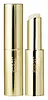
This anti-aging lip moisturizer is formulated around Palmitoyl Tripeptide-1 to soften the look of wrinkles and refine skin texture.
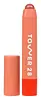
This barrier-repair lip moisturizer is formulated around Bis-Diglyceryl Polyacyladipate-2 and Butyrospermum Parkii Butter to strengthen the lip barrier and hydrate lips.

What's inside
What's inside
 Key Ingredients
Benefits
Concerns
Ingredients Side-by-side
Pentaerythrityl Tetra-Di-T-Butyl Hydroxyhydrocinnamate
Antioxidant
Silica
Abrasive


Synthetic Fluorphlogopite
Mica
Cosmetic ColorantSynthetic Beeswax
Emulsion Stabilising

Candelilla Wax Hydrocarbons
Bis-Behenyl/Isostearyl/Phytosteryl Dimer Dilinoleyl Dimer Dilinoleate
EmollientDiisostearyl Malate
EmollientPolybutene
Theobroma Grandiflorum Seed Butter
Skin Conditioning
Glyceryl Citrate/Lactate/Linoleate/Oleate
Emulsifying
Dipalmitoyl Hydroxyproline
Skin Conditioning
Palmitoyl Tripeptide-1
Skin Conditioning



Lactic Acid
Buffering




Sorbitan Stearate
Emulsifying
Copernicia Cerifera Wax
Isocetyl Stearate
Emollient

Dipentaerythrityl Pentaisononanoate
EmollientLimnanthes Alba Seed Oil
Skin Conditioning

Glycine Soja Protein
EmulsifyingGlycyrrhiza Glabra Leaf Extract
Skin ConditioningPhospholipids
Skin Conditioning
Simmondsia Chinensis Seed Oil
Emollient
Ethylhexyl Palmitate
Emollient
Tribehenin
Emollient
Sorbitan Isostearate
Emulsifying
Pentaerythrityl Tetra-Di-T-Butyl Hydroxyhydrocinnamate, Silica, Synthetic Fluorphlogopite, Mica, Synthetic Beeswax, Candelilla Wax Hydrocarbons, Bis-Behenyl/Isostearyl/Phytosteryl Dimer Dilinoleyl Dimer Dilinoleate, Diisostearyl Malate, Polybutene, Theobroma Grandiflorum Seed Butter, Glyceryl Citrate/Lactate/Linoleate/Oleate, Dipalmitoyl Hydroxyproline, Palmitoyl Tripeptide-1, Lactic Acid, Sorbitan Stearate, Copernicia Cerifera Wax, Isocetyl Stearate, Dipentaerythrityl Pentaisononanoate, Limnanthes Alba Seed Oil, Glycine Soja Protein, Glycyrrhiza Glabra Leaf Extract, Phospholipids, Simmondsia Chinensis Seed Oil, Ethylhexyl Palmitate, Tribehenin, Sorbitan Isostearate
Octyldodecanol
Emollient
Diisostearyl Malate
EmollientBis-Diglyceryl Polyacyladipate-2
Emollient
Polybutene
Polyethylene
Abrasive
Pentaerythrityl Tetraisostearate
Emollient
Caprylic/Capric Triglyceride
Masking
Butyrospermum Parkii Butter
Skin Conditioning
Synthetic Beeswax
Emulsion Stabilising
Mica
Cosmetic ColorantGlyceryl Caprylate
EmollientSynthetic Fluorphlogopite
Phenoxyethanol
Preservative
Pentaerythrityl Tetra-Di-T-Butyl Hydroxyhydrocinnamate
Antioxidant
Theobroma Grandiflorum Seed Butter
Skin Conditioning
CI 77891
Cosmetic ColorantIron Oxides
Octyldodecanol, Diisostearyl Malate, Bis-Diglyceryl Polyacyladipate-2, Polybutene, Polyethylene, Pentaerythrityl Tetraisostearate, Caprylic/Capric Triglyceride, Butyrospermum Parkii Butter, Synthetic Beeswax, Mica, Glyceryl Caprylate, Synthetic Fluorphlogopite, Phenoxyethanol, Pentaerythrityl Tetra-Di-T-Butyl Hydroxyhydrocinnamate, Theobroma Grandiflorum Seed Butter, CI 77891, Iron Oxides
Reviews
Ingredients Explained
These ingredients are found in both products.
Ingredients higher up in an ingredient list are typically present in a larger amount.
Diisostearyl Malate is an emollient and most often used in lip products. It comes from isostearyl alcohol, a fatty acid, and malic acid, an AHA.
As an emollient, Diisostearyl Malate helps create a thin film on your skin to trap moisture in. This helps keep your skin soft and smooth.
Mica is a naturally occurring mineral used to add shimmer and color in cosmetics. It can also help improve the texture of a product or give it an opaque, white/silver color.
Serecite is the name for very fine but ragged grains of mica.
This ingredient is often coated with metal oxides like titanium dioxide. Trace amounts of heavy metals may be found in mica, but these metals are not harmful in our personal products.
Mica has been used since prehistoric times throughout the world. Ancient Egyptian, Indian, Greek, Roman, Aztec, and Chinese civilizations have used mica.
Learn more about MicaPentaerythrityl Tetra-Di-T-Butyl Hydroxyhydrocinnamate (long name, huh?) is a synthetic antioxidant.
It is used to help stabilize other antioxidants or prevent the color from changing in a product.
As an antioxidant, it helps fight free-radical molecules. Free-radical molecules are capable of damaging our cells and other genetic material. Thus, antioxidants may reduce the signs of aging.
This ingredient is oil-soluble.
Learn more about Pentaerythrityl Tetra-Di-T-Butyl HydroxyhydrocinnamatePolybutene is used to help control the viscosity of a product. This just means it helps adjusts the texture.
It is a polymer and does not get absorbed into the skin due to its large size.
Studies found this ingredient did not irritate skin in concentrations below 15%.
Learn more about PolybuteneSynthetic beeswax is created to be identical in structure to beeswax without involving bees, making it a go-to for vegan formulas.
It's mainly used an an emulsion stabilizer and thickener.
This ingredient (alongside other synthetic waxes) have been concluded to be safe in cosmetics under the present practices.
Reported usage goes up to 18% and it is non-sensitizing.
Just one caveat for fungal acne: This ingredient is made up of C16-32 fatty acids and fatty acid esters. Part of this overlaps with the C11-24 range that the Malassezia yeast can feed on, so it's not fungal-acne safe.
Learn more about Synthetic BeeswaxSynthetic Fluorphlogopite is the synthethic version of mica. It consists of fluorine, aluminum and silicate.
Synthetic Fluorphlogopite is used to add volume to products.
It is considered non-irritating on the skin.
Learn more about Synthetic FluorphlogopiteThis ingredient is also known as cupuacu butter. It's a soft, creamy plant fat that works as a skin-conditioning agent and often marketed as the plant-based alternative to lanolin.
The composition of this butter is dominated by oleic acid, stearic acid, and smaller amounts of palmitic, linoleic, and arachidic acids. There's also a useful dose of phystosterols.
That fatty-acid-and-sterol combo is why this ingredient behaves like a richer cousin of shea butter: the lipids reinforce the skin's surface and slow water loss while the sterols help support the barrier.
There's some early research too: a mouse study found cupuacu butter emulgels had antioxidant activity and a measurable photoprotective effect against UVB damage.
Overall, this is a well-tolerated ingredient but those prone to congestion might prefer formulations with lower concentrations.
Fungal acne: Cupuacu butter's fatty acids are mostly "locked up" in triglycerides that Malassezia can't easily feed on, but the yeast can slowly break these down to access the free fatty acids. Therefore, ingredient may not be fungal acne safe.
Learn more about Theobroma Grandiflorum Seed Butter

