

What's inside
What's inside
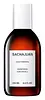 Key Ingredients
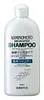
Benefits
Concerns
Ingredients Side-by-side
Water
Skin ConditioningSodium Laureth Sulfate
Cleansing



Cocamidopropyl Betaine
Cleansing

Sodium Chloride
MaskingPiroctone Olamine
Preservative
Climbazole
Antimicrobial
Hydrolyzed Wheat Protein
Skin ConditioningC12-13 Alkyl Lactate
EmollientLactic Acid
Buffering







Butylene Glycol
Humectant

Zingiber Officinale Root Extract
Masking
Salicylic Acid
Masking

Menthol
Masking
Rosmarinus Officinalis Leaf Oil
Masking
Polysorbate 20
Emulsifying
Sodium Benzoate
Masking
Potassium Sorbate
Preservative
Sorbic Acid
Preservative
Water, Sodium Laureth Sulfate, Cocamidopropyl Betaine, Sodium Chloride, Piroctone Olamine, Climbazole, Hydrolyzed Wheat Protein, C12-13 Alkyl Lactate, Lactic Acid, Butylene Glycol, Zingiber Officinale Root Extract, Salicylic Acid, Menthol, Rosmarinus Officinalis Leaf Oil, Polysorbate 20, Sodium Benzoate, Potassium Sorbate, Sorbic Acid
Glycyrrhetinic Acid
Skin Conditioning
Piroctone Olamine
Preservative
Disodium EDTA
ChelatingSodium Chloride
MaskingCitric Acid
Buffering
Sodium Salicylate
Preservative
Butylene Glycol
Humectant
Sodium Laureth Sulfate
Cleansing
Menthol
Masking
Cocamide DEA
Emulsifying
Tea-Lauryl Sulfate
Cleansing
Lauryl Betaine
CleansingGlycol Distearate
Emollient
Isodon Trichocarpus Extract
MaskingSophora Angustifolia Root Extract
Skin ConditioningPEG-75 Lanolin
Emollient
CI 19140
Cosmetic ColorantCamellia Sinensis Leaf Extract
Antimicrobial
Parfum
Masking

Water
Skin ConditioningGlycyrrhetinic Acid, Piroctone Olamine, Disodium EDTA, Sodium Chloride, Citric Acid, Sodium Salicylate, Butylene Glycol, Sodium Laureth Sulfate, Menthol, Cocamide DEA, Tea-Lauryl Sulfate, Lauryl Betaine, Glycol Distearate, Isodon Trichocarpus Extract, Sophora Angustifolia Root Extract, PEG-75 Lanolin, CI 19140, Camellia Sinensis Leaf Extract, Parfum, Water
Reviews
Ingredients Explained
These ingredients are found in both products.
Ingredients higher up in an ingredient list are typically present in a larger amount.
Butylene Glycol (or BG) is used within cosmetic products for a few different reasons:
Overall, Butylene Glycol is a safe and well-rounded ingredient that works well with other ingredients.
Though this ingredient works well with most skin types, some people with sensitive skin may experience a reaction such as allergic rashes, closed comedones, or itchiness.
Learn more about Butylene GlycolMenthol is a compound found in mint plants, such as peppermint. In its pure form, it is a clear crystalline substance.
Menthol is known for its cooling sensation; however, the cooling is actually from your skin being sensitized. Menthol can worsen rosacea. We recommend speaking with a professional if you have concerns.
Menthol also has antimicrobial properties.
Learn more about MentholPiroctone Olamine is a synthetic antifungal and preservative ingredient.
Its main job is to keep the yeast, Malassezia, in check; this yeast is linked to dandruff, seborrheic dermatitis, and fungal acne (a.k.a. Malassezia folliculitis).
The way it works is pretty neat:
It slips into the fungal cell and grabs onto iron ions that the yeast needs for its energy metabolism; this basically starves it out. But the full mechanism isn't 100% pinned down and some research also points it to interfering with ergosterol (a building block of the fungal cell membrane).
Besides antifungal action, it also has mild anti-inflammatory and soothing effects to help calm itchiness in the scalp.
Typical usage concentrations are low. The EU permits it to be a preservative up to 1% in rinse-off products and 0.5% in leave-on products.
Though it's generally well-tolerated, a small number of people may notice itching or irritation (as with any active).
Learn more about Piroctone OlamineChances are, you eat sodium chloride every day. Sodium Chloride is also known as table salt. This ingredient has many purposes in skincare: thickener, emulsifier, and exfoliator.
You'll most likely find this ingredient in cleansers where it is used to create a gel-like texture. As an emulsifier, it also prevents ingredients from separating.
You might see people debate whether Sodium Chloride is comedogenic, but there actually haven't been any comedogenic tests done on it. Either way, the overall formulation of a product matters a lot more than any single ingredient.
You might see this ingredient used in scrubs as a primary exfoliating ingredient.
Learn more about Sodium ChlorideSodium Laureth Sulfate (SLES) is a foaming, cleansing, and emulsifying ingredient. It is created from palm kernel oil or coconut oil. SLES is not the same as sodium lauryl sulfate. It is much milder and less likely to irritate.
SLES helps create foam in personal products. It also prevents ingredients from separating, helping to elongate the shelf life.
Sodium Laureth Sulfate is a type of sulfate. It can be drying. We recommend speaking with a professional about using this ingredient if you have concerns.
Learn more about Sodium Laureth SulfateWater. It's the most common cosmetic ingredient of all. You'll usually see it at the top of ingredient lists, meaning that it makes up the largest part of the product.
So why is it so popular? Water most often acts as a solvent - this means that it helps dissolve other ingredients into the formulation.
You'll also recognize water as that liquid we all need to stay alive. If you see this, drink a glass of water. Remember to stay hydrated!
Learn more about Water

