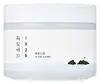
This smoothing toner pad uses a pre-saturated pad with Gluconolactone and Panthenol to refine skin texture and calm redness.
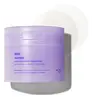
This anti-aging toner pad uses a pre-saturated pad with Acetyl Hexapeptide-8 and Copper Tripeptide-1 to soften the look of wrinkles and refine the look of pores.

What's inside
What's inside
 Key Ingredients
Benefits
Concerns
No concerns
Ingredients Side-by-side
Water
Skin ConditioningGlycerin
Humectant


Butylene Glycol
Humectant
Propanediol
Solvent
Sea Water
HumectantChondrus Crispus Extract
Skin Conditioning
Saccharum Officinarum Extract
Moisturising1,2-Hexanediol
Skin Conditioning
Panthenol
Skin Conditioning
Gluconolactone
Skin Conditioning






Hydroxyacetophenone
Antioxidant
Sodium Citrate
BufferingGlyceryl Glucoside
Humectant
Protease
Exfoliating
Betaine
Humectant
Tromethamine
BufferingDipotassium Glycyrrhizate
Humectant
Ethylhexylglycerin
Skin ConditioningAllantoin
Skin Conditioning
Tocopherol
Antioxidant

Xanthan Gum
EmulsifyingDisodium EDTA
Water, Glycerin, Butylene Glycol, Propanediol, Sea Water, Chondrus Crispus Extract, Saccharum Officinarum Extract, 1,2-Hexanediol, Panthenol, Gluconolactone, Hydroxyacetophenone, Sodium Citrate, Glyceryl Glucoside, Protease, Betaine, Tromethamine, Dipotassium Glycyrrhizate, Ethylhexylglycerin, Allantoin, Tocopherol, Xanthan Gum, Disodium EDTA
Water
Skin ConditioningGlycerin
Humectant
Butylene Glycol
Humectant
Propanediol
Solvent
1,2-Hexanediol
Skin Conditioning
Hydrolyzed Lupine Protein
Skin ConditioningAcetyl Hexapeptide-8
Humectant
Tripeptide-3
Skin Conditioning
Acetyl Octapeptide-3
Humectant
Copper Tripeptide-1
Skin Conditioning
Palmitoyl Pentapeptide-4
Skin Conditioning
Palmitoyl Tetrapeptide-7
Skin Conditioning
Palmitoyl Tripeptide-1
Skin Conditioning
Tripeptide-1
Skin Conditioning
Tripeptide-2
Skin Conditioning
Adenosine
Skin Conditioning
Gluconolactone
Skin Conditioning
Collagen
Moisturising
Hydrolyzed Collagen
Emollient
Leuconostoc/Radish Root Ferment Filtrate
Antimicrobial

Sodium Hyaluronate
Humectant
Hydroxyacetophenone
Antioxidant
Carbomer
Emulsion StabilisingCellulose Gum
Emulsion StabilisingTromethamine
BufferingBetaine
Humectant
Xanthan Gum
EmulsifyingEthylhexylglycerin
Skin ConditioningHydrolyzed Corallina Officinalis Extract
Skin ConditioningHydrolyzed Malt Extract
Skin ConditioningHydrolyzed Viola Tricolor Extract
Skin ProtectingDisodium EDTA
Water, Glycerin, Butylene Glycol, Propanediol, 1,2-Hexanediol, Hydrolyzed Lupine Protein, Acetyl Hexapeptide-8, Tripeptide-3, Acetyl Octapeptide-3, Copper Tripeptide-1, Palmitoyl Pentapeptide-4, Palmitoyl Tetrapeptide-7, Palmitoyl Tripeptide-1, Tripeptide-1, Tripeptide-2, Adenosine, Gluconolactone, Collagen, Hydrolyzed Collagen, Leuconostoc/Radish Root Ferment Filtrate, Sodium Hyaluronate, Hydroxyacetophenone, Carbomer, Cellulose Gum, Tromethamine, Betaine, Xanthan Gum, Ethylhexylglycerin, Hydrolyzed Corallina Officinalis Extract, Hydrolyzed Malt Extract, Hydrolyzed Viola Tricolor Extract, Disodium EDTA
Reviews
Ingredients Explained
These ingredients are found in both products.
Ingredients higher up in an ingredient list are typically present in a larger amount.
1,2-Hexanediol is a synthetic liquid and another multi-functional powerhouse.
It is a:
- Humectant, drawing moisture into the skin
- Emollient, helping to soften skin
- Solvent, dispersing and stabilizing formulas
- Preservative booster, enhancing the antimicrobial activity of other preservatives
Betaine is a humectant. Like hyaluronic acid, it helps attract and retain moisture in the skin. It’s known for being gentle and for helping the skin maintain balanced hydration.
Betaine is mainly used to improve hydration and support calmer skin. It helps skin cells regulate water balance because it functions as an osmolyte.
Some studies suggest betaine may support making skin tone more even.
Fun fact: Betaine naturally exists in the skin and the body. In cosmetic products, it can be either plant-derived (most commonly from sugar beets) or synthetically produced for consistency and stability.
Betaine is also known as trimethylglycine.
Learn more about BetaineButylene Glycol (or BG) is used within cosmetic products for a few different reasons:
Overall, Butylene Glycol is a safe and well-rounded ingredient that works well with other ingredients.
Though this ingredient works well with most skin types, some people with sensitive skin may experience a reaction such as allergic rashes, closed comedones, or itchiness.
Learn more about Butylene GlycolDisodium EDTA is a chelating agent. It grabs onto and deactivates metal ions that sneak into your products from water, packaging, or air.
This ingredient mainly works behind the scenes and helps with:
On top of that, this ingredient can counteract the effects of hard water by binding to the minerals in it.
One thing worth knowing is that Disodium EDTA has been shown to be a mild penetration enhancer. It can help other ingredients absorb into skin more effectively which can be a double-edged sword (great for actives, but can also make the active too strong if you have sensitive skin).
Clinical patch testing showed no significant skin irritation at typical use concentrations and minimal dermal absorption.
You'll most likely see this ingredient near the end of an ingredient list. It's typically found in concentrations less than 1%.
Learn more about Disodium EDTAEthylhexylglycerin is created from glycerin. It is a multitasker ingredient that:
The CIR Expert Panel found minimal skin absorption or sensitization of any kind in a safety assessment. Though this ingredient is considered well-tolerated, a small number of cases of allergic dermatitis have been published since 2002. Just be sure to patch test if you are unsure.
Industry-reported use ranges from 8% in rinse-off products and 2% in leave-on formulations.
Learn more about EthylhexylglycerinGluconolactone is a PHA. PHAs are a great gentle alternative to traditional AHAs.
When applied, Gluconolactone has the same affect on skin as AHAs such as lactic acid. It helps dissolve the dead skin cells in the top layer of your skin. This improves texture and brightens the skin.
PHAs are more gentle than AHAs due to their larger structure. They do not penetrate as deeply as AHAs and take a longer time to dissolve dead cells. Studies show PHAs do not cause as much irritation.
Gluconolactone has some interesting properties:
In a 2004 study, Gluconolactone was found to prevent UV damage in mouse skin cells and has not been found to increase sun sensitivity. However, we still recommend wearing SPF daily.
This ingredient is is an created by reacting gluconic acid with an alcohol.
Learn more about GluconolactoneGlycerin (or glycerol) is a compound naturally found in your skin. It's a powerhouse humectant that pulls water into the stratum corneum.
Topically, glycerin does several things at once:
Your skin makes glycerin on its own (mostly from sebaceous oil breakdown) and shuttles it to your outermost layer of skin, or your epidermis, via aquaporin-3.
Aquaporin-3 is a transporter that is essential for normal skin hydration, elasticity, and repair. Interestingly, mice lacking in AQP3 have dry and less elastic skin that can be fully corrected with glycerin.
This ingredient is non-irritating, plays well with almost every ingredient, and works across all skin types. Typical use is anywhere between 3-10% but can go up to 79% in some leave-on products.
Just know very high concentrations (>40%) can feel tacky in low humidity.
Glycerin is the name for this ingredient in American English. British English uses Glycerol/Glycerine.
Learn more about GlycerinHydroxyacetophenone is a small phenolic molecule that earns its place in a formulas as an antioxidant and preservative booster.
As a phenol, it is able to neutralize free radicals to protect both the product and the skin from oxidative stress.
Though it can't kill microbes on its own, it works as a good supporting agent when combined with other preservatives like Phenoxyethanol or 1,2-Hexanediol.
This ingredient naturally occurs as piceol in Norwegian spruce needles (~0.4-1.1% dry weight and in cloudberries). Though the cosmetic-grade material is synthesized for purity and consistency.
You'll usually see it used at low levels and suppliers recommend up to 1% added to a water phase.
Safety testing was done at concentrations like 0.05% in SPF products and 0.5% in a Human Repeated Insult Patch Test. The safety evidence is assuring; this ingredient is safe for cosmetics in current use and also holds safety status as a food flavoring as well.
An honest caveat: the "soothing" and "anti-inflammatory" claims come mostly from supplier marketing rather than published clinical trials. The Cosmetic Ingredient Review's own literature search found no useful efficacy studies on this ingredient.
So the antioxidant and preservative-boosting roles are the well supported ones while the calming benefit is plausible but thinly evidenced.
Overall, this is a well-tolerated, low-irritation multitasker that quietly helps a formula stay fresh and stable.
Learn more about HydroxyacetophenonePropanediol is an all-star ingredient. It softens, hydrates, and smooths the skin.
It’s often used to:
Propanediol is not likely to cause sensitivity and considered safe to use. It is derived from corn or petroleum with a clear color and no scent.
Learn more about PropanediolTromethamine (aka THAM) is a synthetic amino acid that shows up in skincare as a helper ingredient.
It functions as a pH adjuster to help neutralize acidic ingredients and set a formula's pH to the right spot.
This matters a lot because a lot of actives (like vitamin C) needs a specific pH to work well and feel comfortable on skin.
Concentration use ranges from 0.1-1.0% depending on the formula.
Learn more about TromethamineWater. It's the most common cosmetic ingredient of all. You'll usually see it at the top of ingredient lists, meaning that it makes up the largest part of the product.
So why is it so popular? Water most often acts as a solvent - this means that it helps dissolve other ingredients into the formulation.
You'll also recognize water as that liquid we all need to stay alive. If you see this, drink a glass of water. Remember to stay hydrated!
Learn more about WaterXanthan gum is used as a stabilizer and thickener within cosmetic products. It helps give products a sticky, thick feeling - preventing them from being too runny.
On the technical side of things, xanthan gum is a polysaccharide - a combination consisting of multiple sugar molecules bonded together.
Xanthan gum is a pretty common and great ingredient. It is a natural, non-toxic, non-irritating ingredient that is also commonly used in food products.
Learn more about Xanthan Gum

